Jump to Section in Guide (14)
Ayurveda in Sri Lanka is a venerable healing science practiced continuously for millennia, holding a central place in the island nation’s cultural heritage. Rooted in ancient Vedic texts and enriched by indigenous herbal traditions (Hela Wedakama), this time-tested system offers a comprehensive approach to health and longevity. Rather than addressing symptoms in isolation, traditional medicine seeks to restore harmony across the physical body, mental clarity, and spiritual well-being. Contact our travel team to arrange your private wellness journey or explore our Ayurveda and wellness 7-day tour.
History of Ayurveda in Sri Lanka
The origins of island medicine represent a harmonious blending of classical Indian wisdom and native botanical pharmacology. Centuries ago, Buddhist scholars and traveling physicians introduced classical Sanskrit medical treatises—including the Charaka Samhita and Sushruta Samhita—which were gradually translated into Sinhala to make their curative knowledge accessible to monastic communities and village healers.
The Royal Legacy of King Buddhadasa
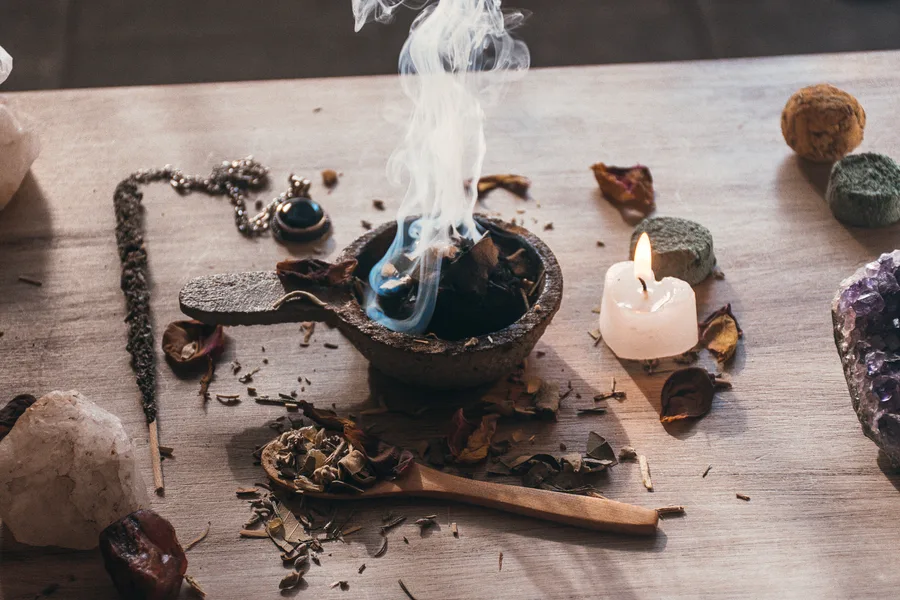
A defining milestone in the island’s medical history occurred during the 4th century AD under the reign of King Buddhadasa. Renowned as a visionary monarch and a master physician himself, King Buddhadasa instituted a nationwide healthcare system. He mandated that an Ayurvedic doctor be assigned to every ten villages, established herbal dispensaries throughout his kingdom, and constructed dedicated medical sanctuaries for both humans and animals.
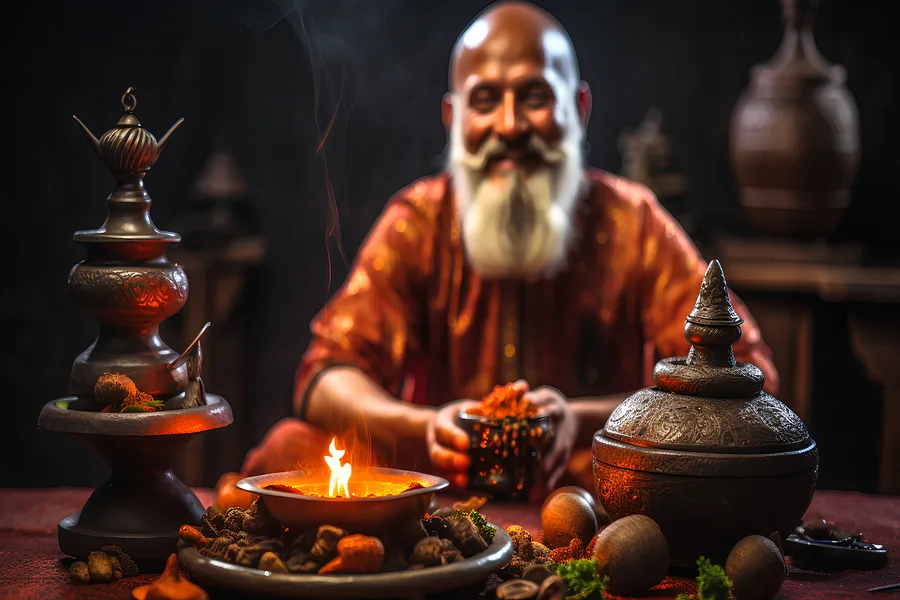
King Buddhadasa also authored the Sarartha Sangrahaya, a comprehensive medical treatise in Sanskrit that codified indigenous treatments, surgical procedures, and herbal preparations. His royal patronage transformed Ayurveda into an institutionalized pillar of society that continues to thrive today.
Natural Resources and Biodiversity
The effectiveness of local healing traditions is inseparable from the island’s extraordinary biodiversity and fertile microclimates. From misty highland forests to sun-drenched coastal plains, Sri Lanka is home to over 1,400 identified medicinal plant species:
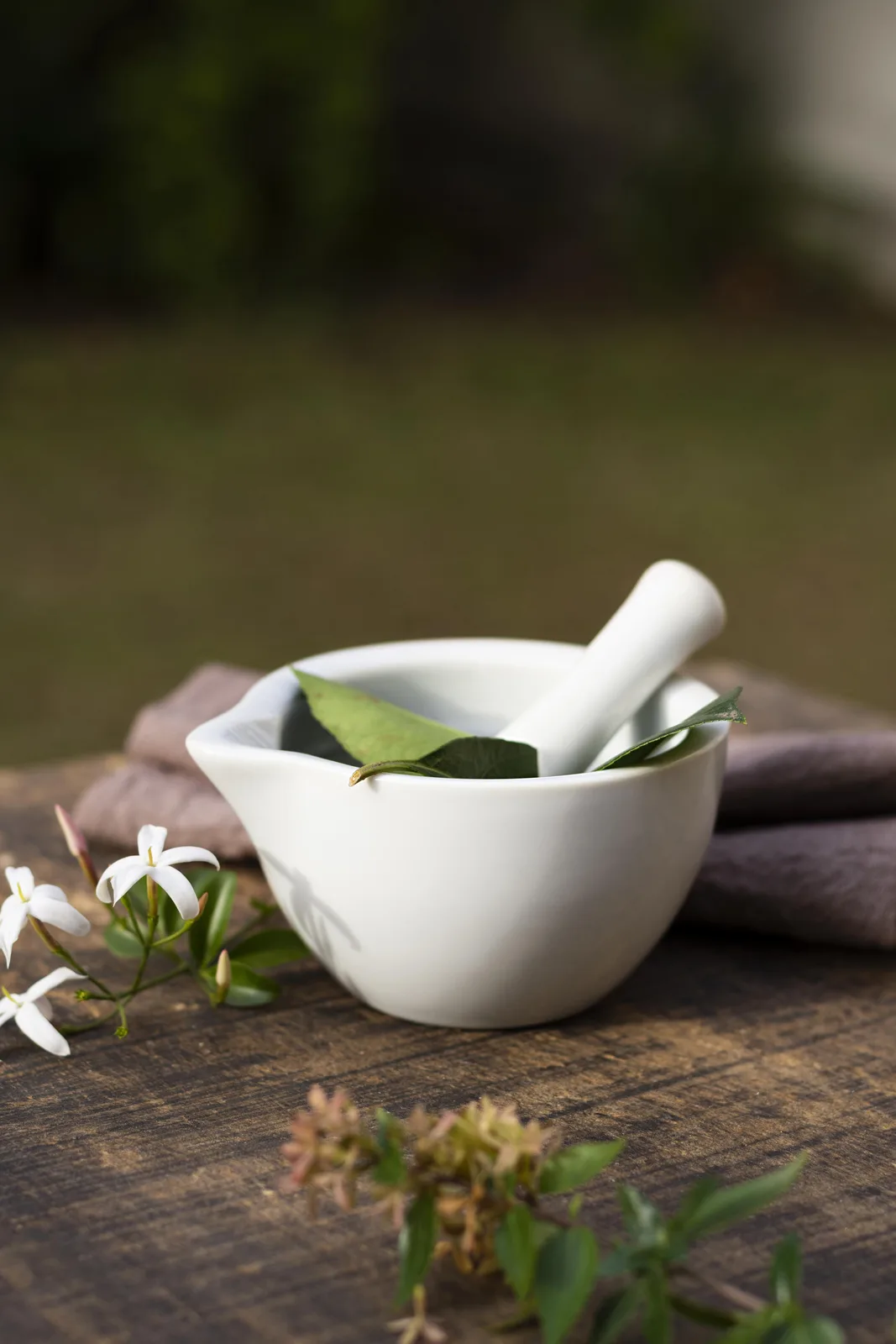
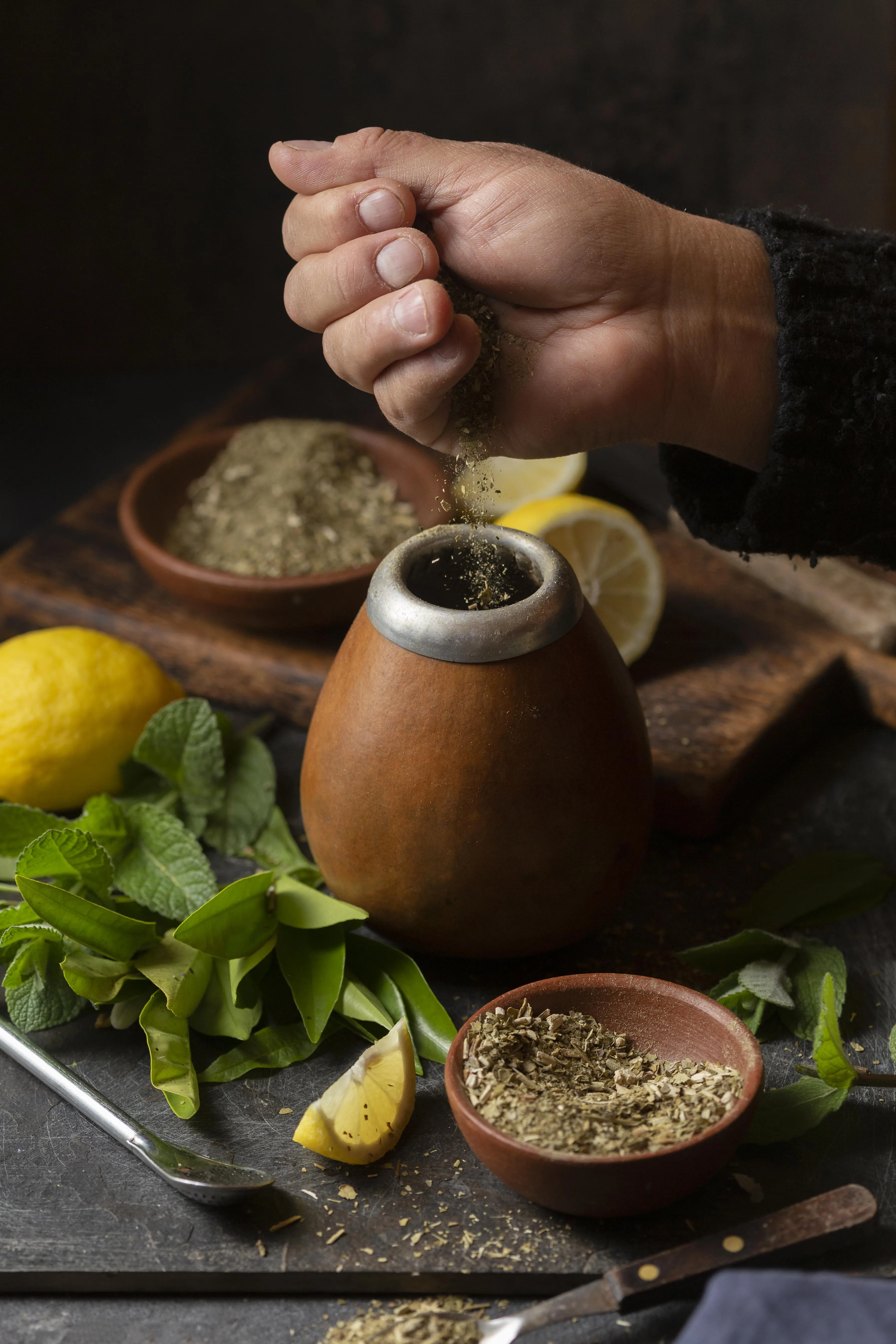
Traditional physicians (Vedas) utilize leaves, roots, seeds, and bark harvested directly from wild rainforests and organic gardens. Herbs such as gotu kola (Centella asiatica), kohomba (neem), iramusu (Hemidesmus indicus), and wild turmeric provide potent bioactive compounds that form the basis of therapeutic decoctions, massage oils, and detoxifying pastes.
The Principles of Ayurveda: The Three Doshas
Ayurveda operates on the understanding that every individual is born with a unique constitutional balance known as Prakriti. Governed by the five fundamental elements (space, air, fire, water, and earth), our physiological and emotional functions are regulated by three vital bio-energies, or doshas:
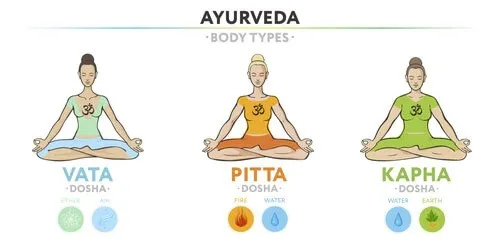
Pitta Dosha (Fire and Water)
The Pitta dosha governs heat, metabolic transformation, digestion, and chemical processing throughout the body. It resides primarily in the stomach, small intestine, liver, eyes, and skin:
- Digestion & Metabolism: Drives enzymatic breakdown and nutrient assimilation (Agni).
- Body Temperature: Maintains healthy thermoregulation.
- Mental Faculty: Fosters analytical intelligence, sharp comprehension, and decisive action.
- Imbalance Signs: When aggravated, Pitta manifests as acid indigestion, skin rashes, fever, and irritability. Cooling diets and calming herbal teas help pacify excess fire.
Kapha Dosha (Earth and Water)
Kapha provides structural cohesion, lubrication, physical stamina, and cellular hydration. Acting as a stabilizing counterweight to the mobility of Vata and the intensity of Pitta, Kapha supports:
- Structural Integrity: Builds bone mass, muscle tissue, and joint fluid.
- Immune Strength: Forms the physical basis of vitality (Ojas).
- Emotional Calm: Imparts patience, grounded resilience, and steady composure.
- Imbalance Signs: Excess Kapha can result in sluggish metabolism, fluid retention, respiratory congestion, and lethargy. Stimulating spices and invigorating treatments help clear heavy stagnation.
Vata Dosha (Air and Ether)
Vata is regarded as the leader of the doshas because it governs all biological movement, nerve transmission, and circulation. When Vata falls out of balance, it can displace Pitta and Kapha, precipitating systemic disorders:
- Physiological Motion: Controls breathing, heart contractions, and peristalsis.
- Sensory Processing: Transmits nerve impulses across the central and peripheral nervous systems.
- Cellular Elimination: Regulates the natural excretion of metabolic waste.
- Imbalance Signs: Chronic Vata imbalance shows up as nervousness, sleep disruption, dry skin, and digestive gas. Warm herbal oil massages and grounding foods effectively soothe runaway Vata.
Mainstream Integration into the Healthcare System
What distinguishes healthcare on the island is the formal integration of traditional medicine alongside modern clinical practice. The Ministry of Indigenous Medicine oversees standardized medical faculties, herbal research laboratories, and dedicated government Ayurvedic hospitals.
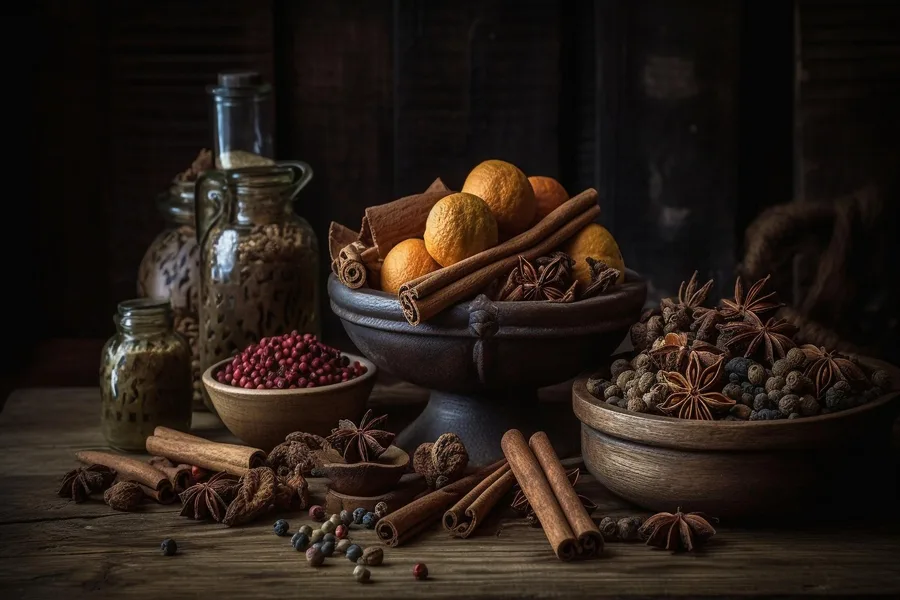
Registered Ayurvedic doctors undergo rigorous university training alongside classical clinical apprenticeships. This institutional framework ensures that travelers seeking restorative therapy at dedicated Ayurveda retreats receive treatments designed and overseen by certified medical practitioners.
Popular Ayurvedic Treatments in Sri Lanka
For visitors seeking therapeutic rejuvenation, the island’s wellness sanctuaries offer an extensive menu of traditional therapies:
1. Panchakarma Detoxification
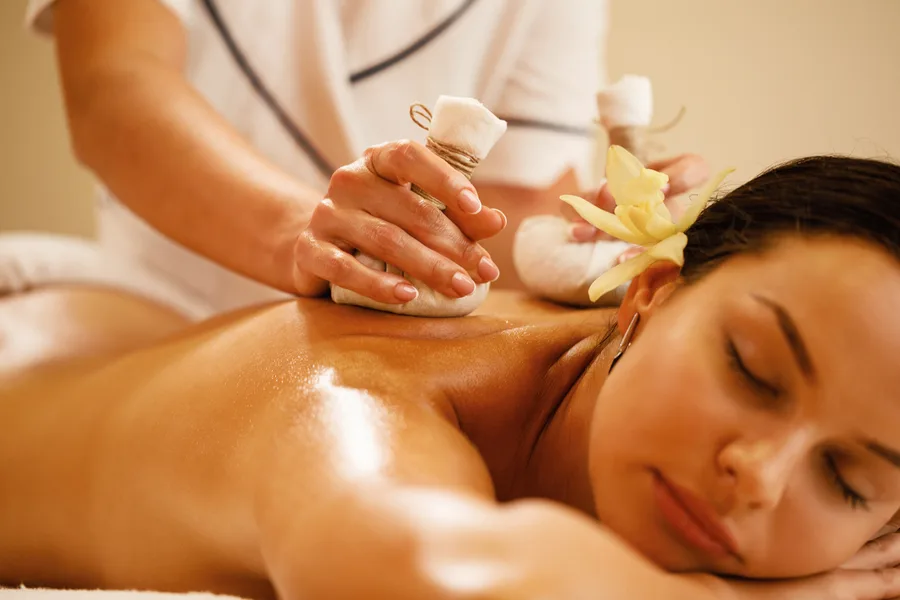
Panchakarma is the premier cleansing therapy in Ayurvedic medicine. Designed to eradicate deep metabolic impurities (ama) and reset biological rhythms, the protocol incorporates preliminary therapies like Snehana (internal and external oil lubrication) and Swedana (herbal steam baths), followed by customized purifying therapies tailored to your constitution.
2. Shirodhara (Third Eye Oil Flow)
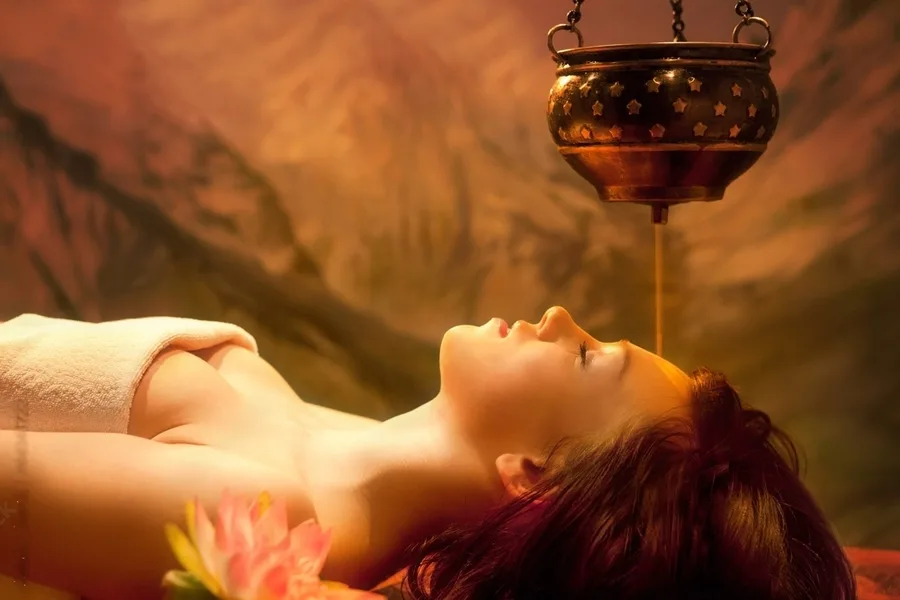
Shirodhara is an intensely soothing therapy where a rhythmic stream of warm, medicated herbal oil is poured across the forehead. This continuous flow induces an alpha brainwave state, proven to soothe insomnia, alleviate chronic migraines, reduce stress hormones, and calm mental fatigue.
3. Ayurvedic Herbal Baths
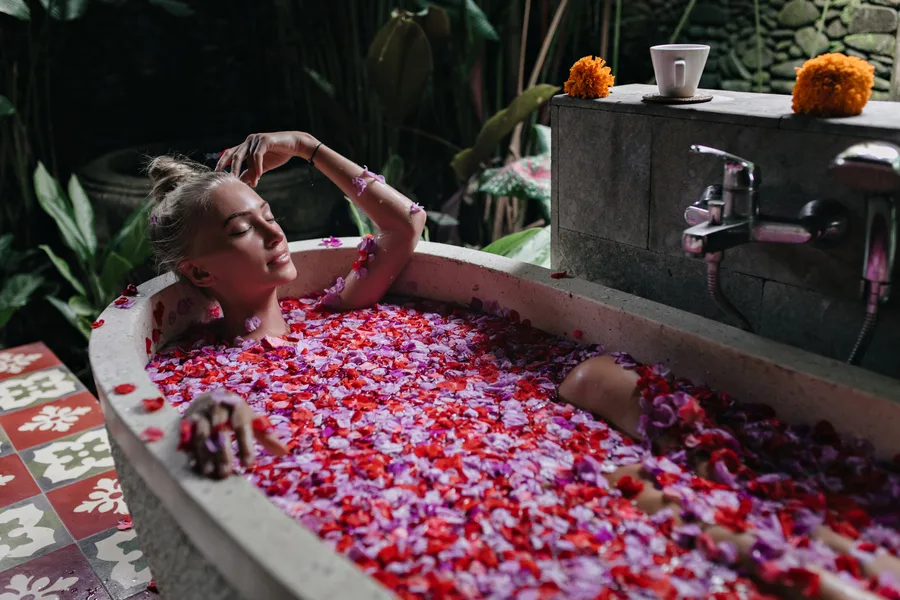
Herbal baths immerse the body in warm water infused with freshly harvested medicinal leaves, sandalwood, rose petals, and aromatic roots. Following an intensive massage, the herbal bath cleanses the skin, eases muscular aches, and seals in the restorative effects of therapeutic oils.
4. Herbal Decoctions & Tailored Medicine
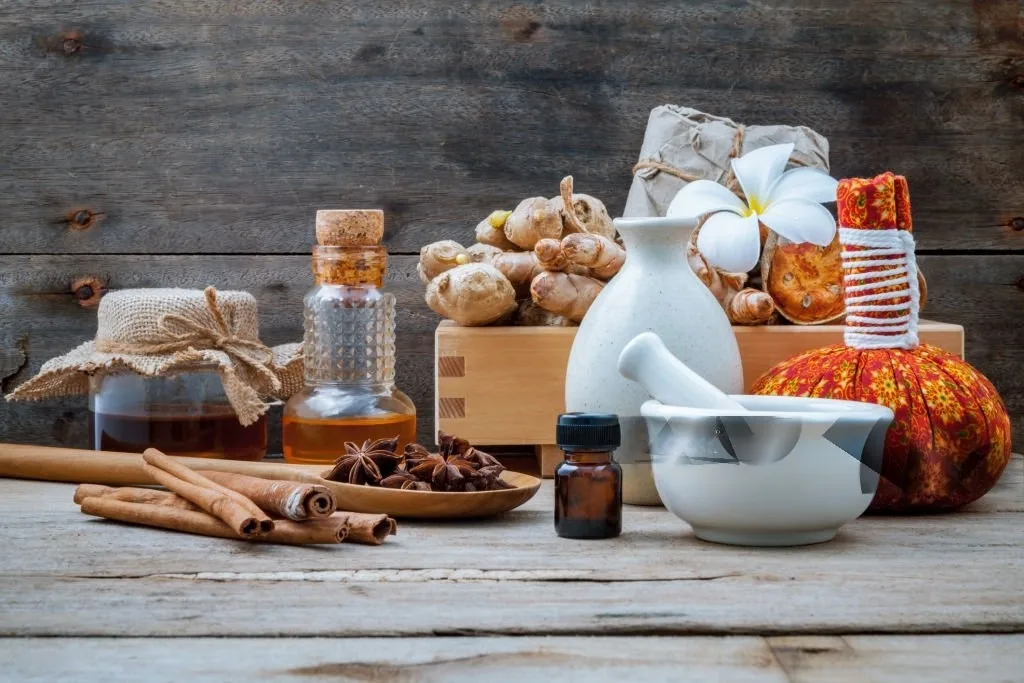
Resident Ayurvedic physicians formulate bespoke botanical elixirs (Kasaya), tonics (Arishta), and botanical pastes crafted to address each guest’s specific dosha imbalance. Prepared fresh daily using traditional simmering methods, these natural remedies work gently to rekindle the digestive fire (Agni) and enhance vitality.
Experience Authentic Ayurveda with Overa Tours
Discover the healing heritage of the island with a personalized wellness holiday curated by Overa Tours. We partner with premier Ayurvedic doctors, certified coastal sanatoriums, and peaceful hill country retreats to ensure an authentic, medically sound, and deeply restful experience.
Explore our Ayurveda and wellness 7-day tour and Ayurveda and relaxation tour, or contact our travel specialists to design your bespoke healing retreat today.