Jump to Section in Guide (15)
Why Blue Whales in Sri Lanka Will Leave You Speechless
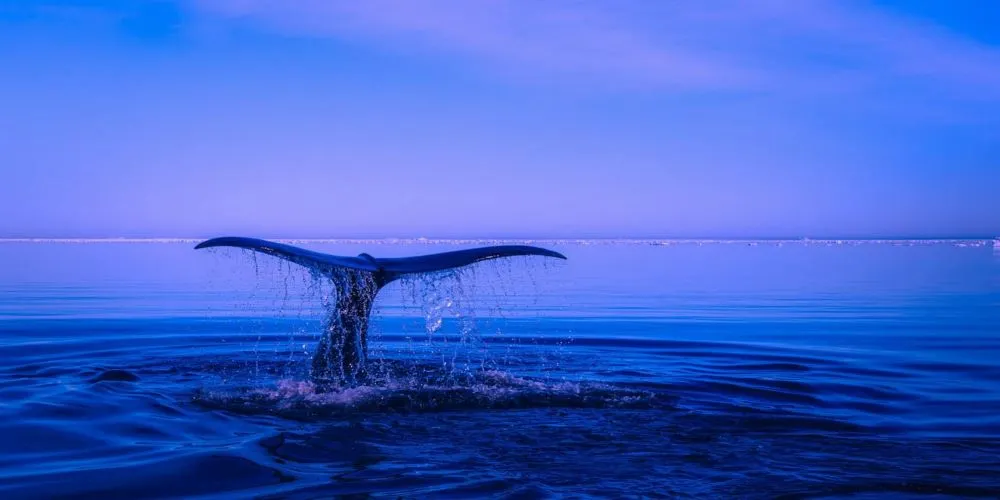
Imagine standing on the bow of a boat as the Indian Ocean stretches endlessly around you. The early morning air is salt-sharp and cool. Then without warning the sea erupts. A creature the length of three double-decker buses breaks the surface, exhales a column of mist ten metres into the sky, and dives back into the deep with a languid flick of a tail wider than your living room.
This is what witnessing blue whales in Sri Lanka feels like. No photograph, documentary, or narration can fully prepare you for it. It is not just a wildlife encounter; it is a full-body, soul-stirring experience that alters the way you see this planet forever. The island has quietly become one of the greatest destinations on earth to witness these magnificent giants, drawing travelers from across the globe for an awe-inspiring morning on the Indian Ocean.
This is your most comprehensive guide. Let’s dive in.
The Blue Whale – Earth’s Greatest Living Creature
Staggering Facts That Will Blow Your Mind
Before we talk about where and when to see them, let’s take a moment to appreciate just how extraordinary these animals are. The blue whale is the largest animal that has ever lived on our planet, not just the largest alive today, but the largest in the entire history of life on Earth. Bigger than any dinosaur. Bigger than anything evolution has ever produced.
Consider this:
- Length – Up to 30 metres, as long as three double-decker buses
- Weight – Over 200 tonnes, heavier than 33 African elephants
- Tongue – Weighs as much as a full-grown Asian elephant
- Heart – The size of a small car, you could crawl through its arteries
- Diet – Almost entirely krill, tiny crustaceans barely 2cm long
- Voice – The loudest sound produced by any animal, audible across entire ocean basins
- Dive depth – Can dive to over 500 metres
- Blow height – Their spout reaches up to 10 metres high
To witness a blue whale in the wild is to stand in the presence of something almost incomprehensible, a living, breathing monument to the sheer audacity of nature.
Why Sri Lanka Is One of the World’s Best Places to See Blue Whales
The Indian Ocean’s Greatest Secret
Sri Lanka ranks in the top two or three countries in the world to see blue whales. Here’s why this island nation punches so far above its weight in the whale watching world:
- A Perfect Geographic Position – Positioned between the Bay of Bengal and the Arabian Sea, the island sits directly along one of the most significant cetacean migration routes on earth. First plotted by British marine biologist Charles Anderson in 1999, this corridor sees immense marine mammal traffic year after year.
- Deep Ocean, Close to Shore – What makes the coastline truly extraordinary is that the ocean reaches tremendous depths just a few kilometres offshore. At Mirissa, the continental shelf is remarkably narrow, with depths plunging past 1,000 metres within minutes of the harbor. Blue whales, which thrive in deep water, are therefore accessible without long, rough offshore voyages.
- An Abundance of Krill – The surrounding currents teem with krill, the tiny crustaceans forming the foundation of the blue whale’s diet. When upwellings trigger nutrient blooms, resident and migratory whales gather in high concentrations.
- Year-Round Sightings – Unlike many global whale watching destinations limited to a narrow window, travelers can observe whales almost year-round by alternating coasts. When southern waters turn choppy with the summer monsoon, the tranquil east coast comes alive.
- Resident Population – Marine researchers have documented a non-migratory resident population of pygmy blue whales that remains in local waters throughout the year, ensuring high sighting reliability.
Best Time to See Blue Whales in Sri Lanka – Season by Season
Timing Is Everything
The best time to see blue whales depends on which coastline you plan to visit:
South Coast (Mirissa) – November to April
The southern coastline is the island’s primary whale watching hub, with Mirissa at its heart. The prime viewing period spans December through April, when the dry northeast monsoon brings calm seas and crystal-clear visibility.
Peak Season: February to mid-March
During this peak window, blue whales congregate in large numbers to feed on seasonal krill blooms, with sighting success rates reaching 90% to 98%.
Species you might see:
- Blue Whale (the highlight)
- Sperm Whale
- Bryde’s Whale
- Humpback Whale
- Spinner Dolphins
- Sea Turtles
- Manta Rays
East Coast (Trincomalee) – May to October
When the southern season winds down, Trincomalee on the east coast takes center stage. Blessed with one of the deepest natural harbors in the world, blue whales frequently cruise just 6 to 8 nautical miles from the bay. The best viewing months run from June through September, with both blue whales and sperm whales regularly spotted on calm, sunny mornings.
Northwest Coast (Kalpitiya) – November to March
Kalpitiya is renowned primarily for its colossal pods of spinner dolphins, but offshore excursions during the winter months also yield sightings of blue whales and sperm whales in deep trench waters.
Best Whale Watching Locations for Blue Whales in Sri Lanka
1. Mirissa – Whale Watching Capital
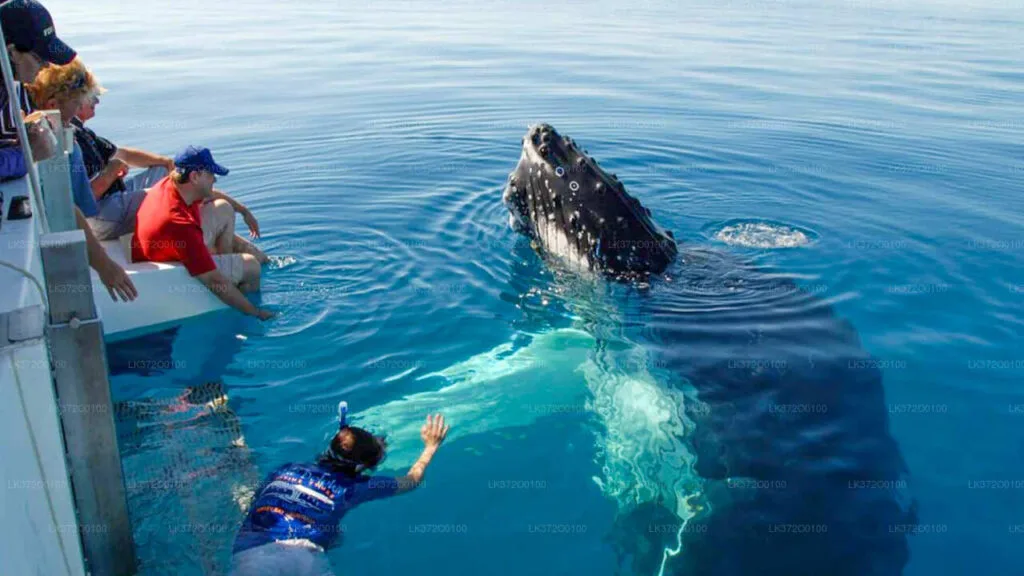
Mirissa is the most famous and accessible hub for marine safaris, offering exceptional sighting rates alongside well-developed harbor facilities. Mirissa Harbour sits near Dondra Point, the closest continental vantage point to the primary deep-water migratory lanes.
Boats typically depart between 6:00 AM and 7:00 AM, spending three to four hours on the water.
2. Trincomalee – The East Coast’s Quiet Giant
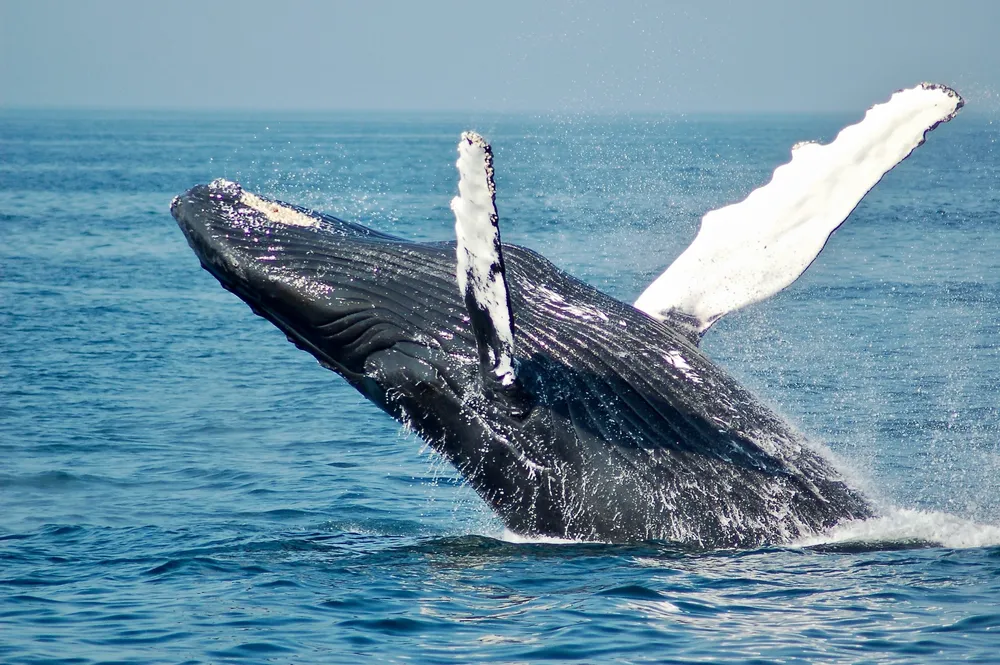
Trincomalee offers an intimate alternative to the busier southern ports. Submarine canyons bring marine life remarkably close to shore, making whale watching in Trincomalee a relaxed experience framed by dramatic coastal cliffs and sheltered golden beaches.
3. Kalpitiya – Dolphins & Occasional Whale Magic
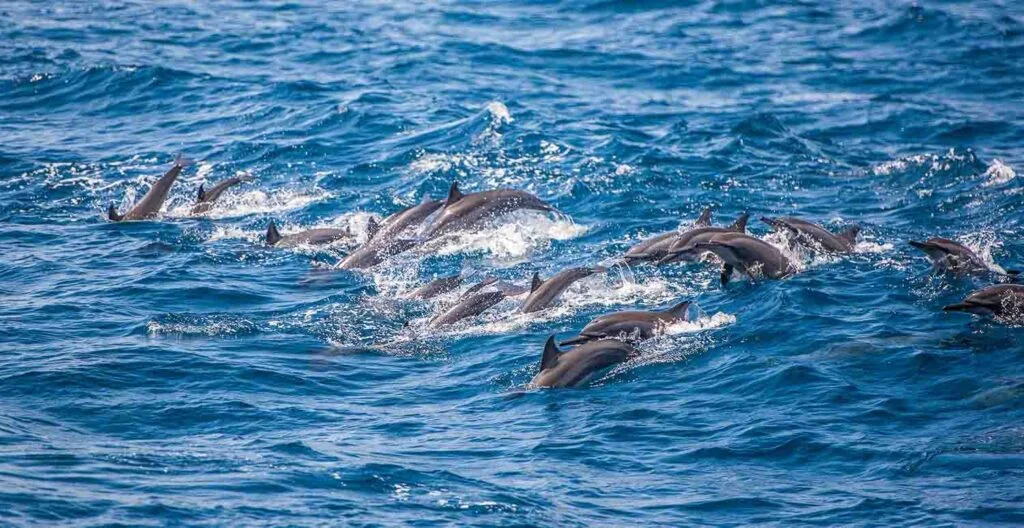
The Kalpitiya peninsula on the northwest coast is celebrated for its extraordinary spinner dolphin encounters. Pods numbering in the hundreds frequently leap alongside boats in acrobatic displays, with blue whale sightings serving as a magnificent bonus for lucky visitors.
4. Galle – Heritage Base for Coastal Expeditions
For travelers who prefer boutique accommodations and colonial charm, the UNESCO World Heritage Galle Dutch Fort serves as an ideal base. Daily departures from nearby harbors allow you to easily combine marine watching with historic walking tours and world-class dining.
What to Expect on a Blue Whale Watching Tour
- The Dawn Departure: Tours start early, typically between 6:00 AM and 7:00 AM. Early morning departures offer calmer sea conditions, softer lighting for photography, and cooler temperatures before the tropical midday heat sets in.
- The Boats: Whale watching platforms range from boutique vessels carrying 6–12 guests to larger commercial boats. For a more personal and respectful journey, choose smaller vessels accompanied by professional marine naturalists.
- What You’ll See: Beyond blue whales and sperm whales, you are likely to spot acrobatic spinner dolphins, sea turtles, and occasional flying fish skimming across the water.
- Tour Pricing: Standard ethical tours generally range from USD $50 to $80 per person, offering exceptional value for a rare global wildlife encounter.
Responsible & Ethical Whale Watching – What You Must Know
The rapid growth of marine tourism underscores the importance of choosing ethical operators who respect marine mammals:
Guidelines of Responsible Operators:
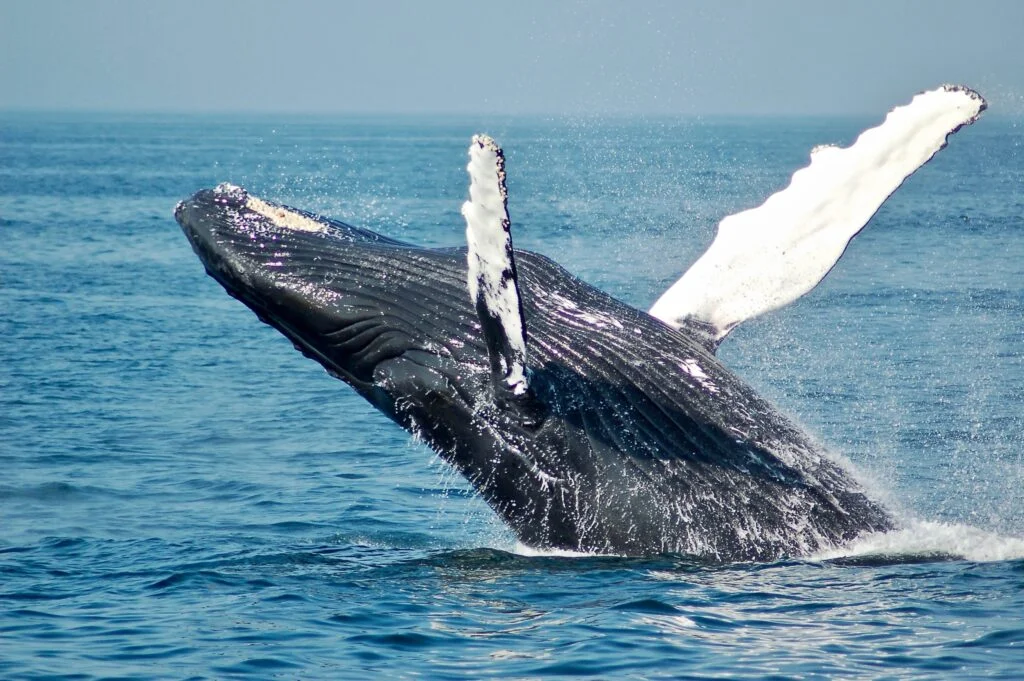
- Maintain a safe standoff distance (at least 100 metres) and never cut across a whale’s travel path.
- Cut engines to idle near cetaceans and avoid aggressive circling.
- Limit observation time so pods are not distressed.
- Provide life jackets and comprehensive marine safety gear for all passengers.
- Feature qualified naturalists onboard who share educational and conservation insights.
Red Flags to Avoid:
- Operators that speed directly towards diving whales.
- Crowded vessels lacking passenger limits or safety equipment.
- Operators guaranteeing close contact without adhering to wildlife guidelines.
Plan Your Marine Adventure
Witnessing a 200-tonne blue whale breach the surface of the Indian Ocean is an experience that stays with you forever.
At Overa Tours, we prioritize responsible wildlife encounters led by experienced skippers and naturalists. Explore our wildlife and coastal tours or contact our travel team to plan your personalized coastal journey.