Wasgamuwa National Park is one of the premier wildlife sanctuaries in Sri Lanka, situated across the Matale and Polonnaruwa districts in the dry zone. Renowned for its rich biodiversity, riverine landscapes, and ancient archaeological ruins, Wasgamuwa was declared a national park in 1984 under the Mahaweli Development Programme. The park is especially celebrated as one of the best locations to observe the elusive Sri Lankan sloth bear. The name “Wasgamuwa” derives from the ancient Sinhala phrase Walas Gamuwa, meaning “bear forest”.
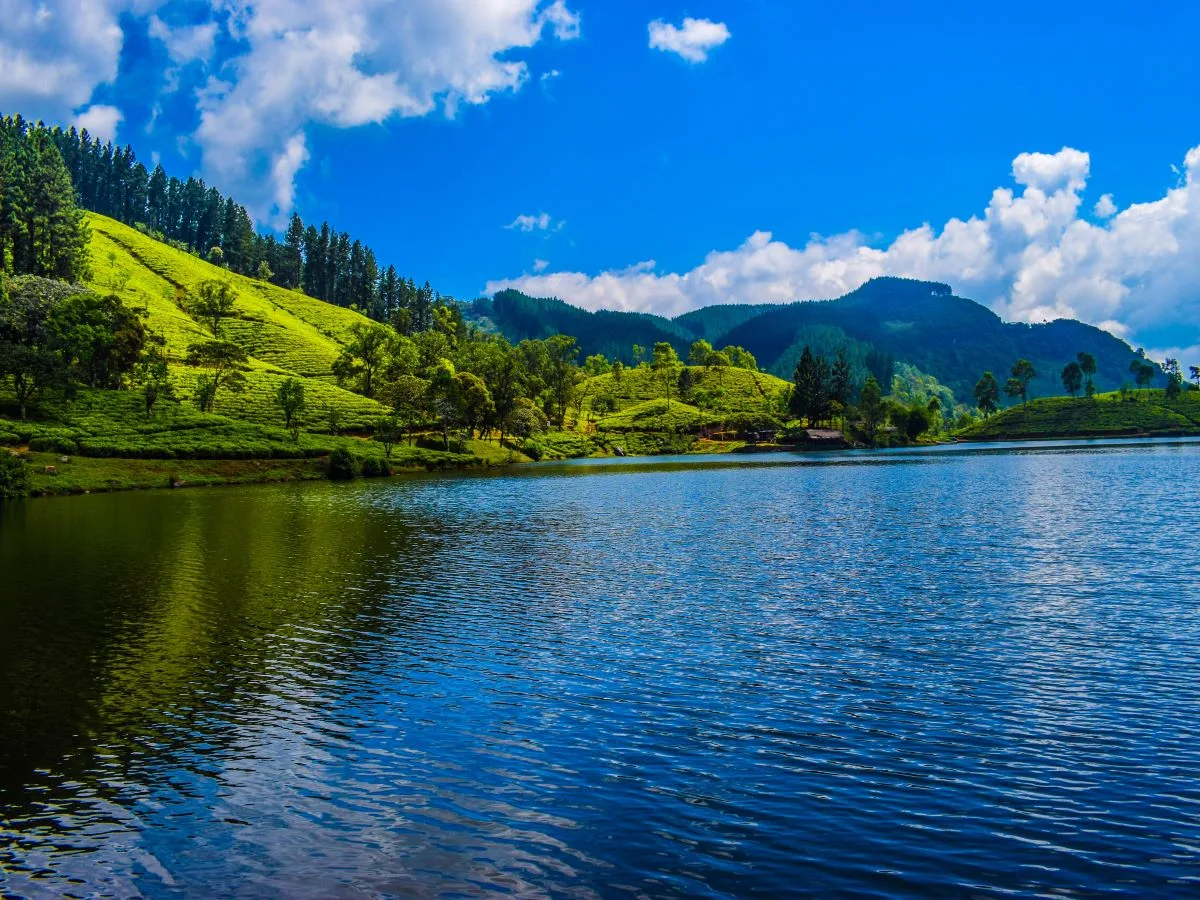
Spanning over 39,000 hectares, the park is bordered by two major waterways: the Mahaweli River to the east and the Amban Ganga to the west. Its highest topographical elevation is Sudu Kanda (White Mountain), rising to 470 meters. Situated within Sri Lanka’s dry zone, the park receives the majority of its annual rainfall during the Northeast monsoon between October and January.
The park’s vegetation is dominated by tropical dry mixed evergreen forests and riverine woodlands. Dense canopies along the rocky ridges and riverbanks feature majestic native trees such as Weera (Drypetes sepiaria), Palu (Manilkara hexandra), Ehala (Cassia fistula), Satinwood/Burutha (Chloroxylon swietenia), and the prized endemic Ebony (Diospyros ebenum).
Wildlife in Wasgamuwa National Park
Wasgamuwa is home to 23 recorded species of mammals. The park’s signature wildlife includes a resident population of around 150 Asian elephants (Elephas maximus), including distinct herds of marsh elephants (Elephas maximus vil-aliya) that roam the floodplains of the Mahaweli River.
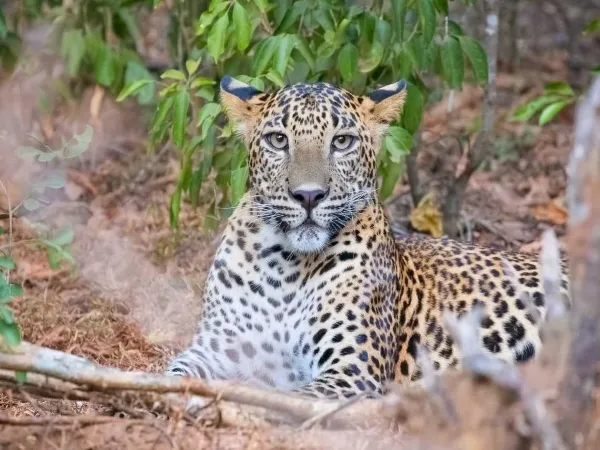
Alongside elephants, Wasgamuwa’s dense forests shelter the highest concentration of sloth bears on the island, frequently spotted foraging under fruiting Palu and Weera trees during the dry season. Other mammals inhabiting the park include purple-faced langurs, toque macaques (Rilawa), wild boar, spotted deer, sambar deer, barking deer, water buffalo, golden jackal, ruddy mongoose, and the elusive Sri Lankan leopard. Both mugger crocodiles and estuarine (saltwater) crocodiles inhabit the park’s riverbanks and water reservoirs.
Birdlife in Wasgamuwa
Wasgamuwa National Park is recognized as an Important Bird Area (IBA) in Sri Lanka, supporting 143 recorded bird species, including 8 endemics. Frequently sighted species include the endemic Sri Lanka junglefowl and red-faced malkoha, alongside the yellow-fronted barbet, Sri Lanka spurfowl, painted stork, black-headed ibis, Eurasian spoonbill, crested serpent eagle, and the rare Sri Lanka frogmouth.
Historical Significance and Ancient Ruins
Beyond its natural beauty, Wasgamuwa holds deep historical and archaeological significance dating back over two millennia. Southwest of the park lies the ancient Buduruwayaya ruins, featuring a 2nd-century AD reclining Buddha statue carved from rock. Within the park’s interior are ancient irrigation canals, stone sluices, and abandoned reservoirs that once supported agrarian kingdoms during the Anuradhapura and Polonnaruwa eras.
Safari in Wasgamuwa National Park
A safari drive through Wasgamuwa National Park is an exceptional alternative to busier wildlife parks in Sri Lanka. Because the park experiences significantly less tourist traffic, visitors can enjoy peaceful, uncrowded wildlife viewing amidst pristine riverine scenery.
Safari Information
- Opening Hours: 6:00 AM – 6:00 PM daily
- Safari Duration: 3 to 4 hours for standard game drives (half-day and full-day safari options available)
- Best Time to Visit: May to September is optimal for elephant gatherings and sloth bear sightings around water sources, though the park is rewarding year-round.
Useful Tips for a Wasgamuwa Safari Drive
- Timing: Early morning (6:00 AM) or late afternoon (3:00 PM) safaris offer the highest animal activity when temperatures are cooler.
- Safari Conditions: Forest trails can be rugged and bumpy; a sturdy four-wheel-drive safari vehicle is required.
- Hydration & Sun Protection: Pack sufficient bottled water, sunscreen, and a hat, as midday temperatures in the dry zone can be high.
- Safety & Wildlife Ethics: Never alight from the safari vehicle unless instructed by your official wildlife tracker. Maintain a respectful distance from wild elephant herds at all times.
General Information
- Total Area: 39,322 hectares
- Major Ecosystems: Tropical dry mixed evergreen forest, riverine forest, wetlands, and grasslands
- Protected Status: National Park, Important Bird Area (IBA)
- Elevation: 100 m to 885 m above sea level
- Annual Rainfall: 1,650 – 2,100 mm
- Mean Temperature: 27.5°C
- Nearby Hubs & Access: Minneriya, Habarana, Polonnaruwa, and Matale