Where historic colonial ramparts meet soaring glass skylines beside the Indian Ocean, Colombo thrives as a dynamic coastal metropolis, weaving two millennia of maritime trade, multi-faith sacred heritage, and cosmopolitan modern living into an unforgettable urban tapestry.
Stretching along the southwestern coastline of the island, Colombo functions as the bustling commercial, financial, and cultural powerhouse of the nation. Named historically by Arab seafaring merchants as Kolamba, meaning “harbour on the Kelani River,” and later immortalized by Portuguese, Dutch, and British administrators, the city has evolved from an ancient maritime trading post into a sophisticated twenty-first-century gateway. Here, century-old banyan trees shade broad neoclassical avenues, historic street bazaars hum with energetic commerce, and sleek rooftop lounges gaze out over the azure waters of the Laccadive Sea. Whether you are beginning your island expedition, pausing on a cultural stopover, or concluding an extensive journey, Colombo provides an essential, multi-layered introduction to the island’s captivating past and vibrant future.
Sacred Heritage and Colonial Fortifications
The architectural and spiritual soul of Colombo is embodied in its extraordinary religious shrines, where diverse faiths exist harmoniously side by side. Foremost among them is Gangaramaya Temple, an eclectic Buddhist temple complex situated near the emerald waters of Beira Lake. Founded in the late nineteenth century by the venerable scholar-monk Hikkaduwe Sri Sumangala Nayaka Thera, the temple is celebrated for its harmonious fusion of Sri Lankan, Thai, Indian, and Chinese architectural styles. Visitors can explore a fascinating museum overflowing with antique brass relics, jeweled artifacts, intricate ivory carvings, ancient palm-leaf scriptures, and vintage automobiles gifted by devotees from across the globe.
A short wooden bridge leads from Gangaramaya onto Beira Lake to Seema Malakaya, an exquisite floating meditation pavilion redesigned in the 1970s by renowned Sri Lankan architect Geoffrey Bawa. Resting serenely upon timber decks and supported by stone stilts above the tranquil water, Seema Malakaya features bronze seated Buddhas positioned in meditation against the backdrop of fluttering lotus flowers and surrounding city high-rises, offering a tranquil sanctuary of quiet contemplation amidst the urban bustle.
A short drive north brings travelers into Colombo Fort, the historic district that served as the center of colonial administration for four centuries. While the original military ramparts were dismantled in the nineteenth century, the quarter preserves a treasure trove of European colonial architecture. The centerpiece is the Old Dutch Hospital, dating back to 1681, characterized by massive coral-stone walls, clay-tiled roofs, and airy open courtyards that have been immaculately restored into a pedestrian precinct of upscale restaurants, boutique shops, and artisanal tea lounges. Nearby stands the neoclassical Old Parliament Building, inaugurated in 1930 facing the ocean, the grand Victorian facade of the General Post Office, and the Old Galle Buck Lighthouse, which looks out over the bustling container docks and the newly engineered Port City.
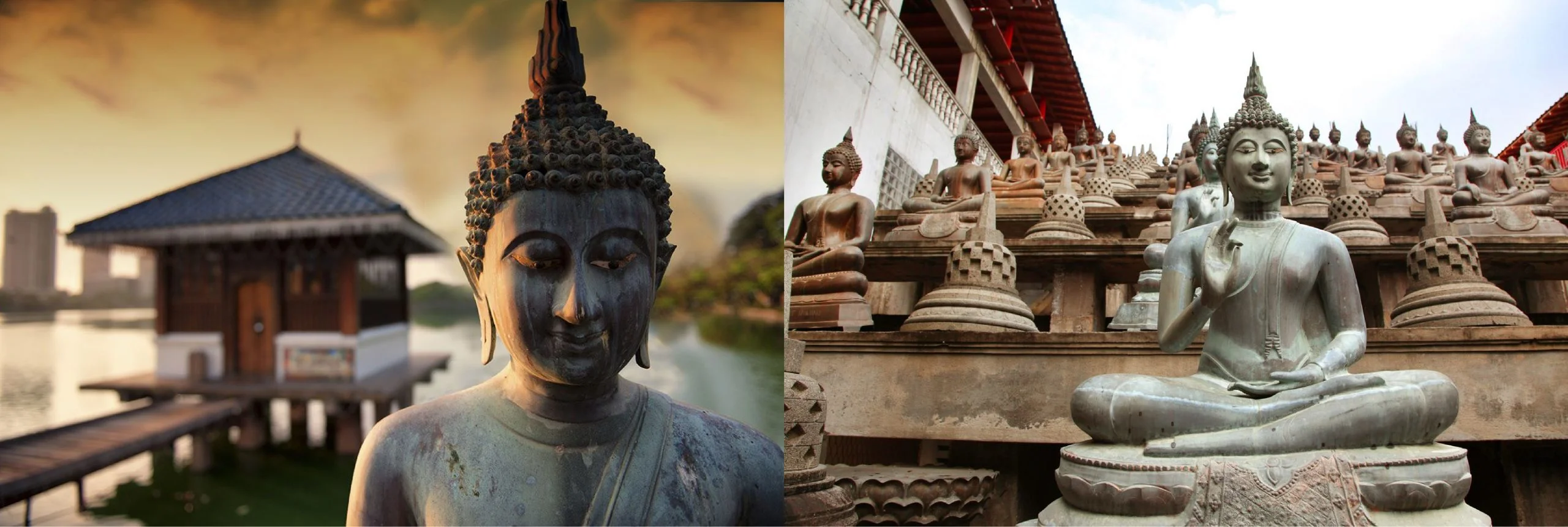 Serene Buddha statues displayed at Gangaramaya Temple, Colombo’s iconic lakeside Buddhist sanctuary.
Oceanfront Breezes, Galle Face Green, and Sunset Rituals
No visit to Colombo is complete without partaking in the city’s quintessential evening ritual along Galle Face Green. First laid out in 1859 by British Governor Sir Henry Ward as a seaside promenade for horse racing and equestrian parades, this expansive half-kilometre oceanfront green has transformed into the city’s most beloved public gathering ground. As the late afternoon heat begins to soften and cool maritime breezes roll in from the Indian Ocean, families, artists, professionals, and travelers flock to the seawall to unwind, fly colorful paper kites into the sunset sky, and watch the crimson sun dissolve into the western horizon.
Lining the seaside walkway are dozens of traditional street food vendors serving an irresistible array of local delicacies. Visitors can savor freshly fried isso wade—crisp, golden lentil patties crowned with plump seasoned prawns and spiced with curry leaves and green chillies—alongside warm buttered manioc chips, spicy devilled sausages, and sliced raw mango dusted with chilli powder and sea salt. Anchoring the southern corner of the promenade is the legendary Galle Face Hotel, one of the oldest and most aristocratic colonial hotels east of Suez, established in 1864. Sitting on the hotel’s shaded verandah with a refreshing Ceylon iced tea or a tropical cocktail while bagpipers lower the national flag at dusk is an enduring Colombo tradition.
Further down the coastal railway line lies Mount Lavinia Beach, an enchanting seaside suburb famed for its golden crescent of sand and relaxed beachfront restaurants. Perched atop a rocky promontory overlooking the breaking waves stands the historic Mount Lavinia Hotel, originally constructed in 1806 as the romantic country residence of British Governor Sir Thomas Maitland. The beach is a popular weekend retreat for swimming, coastal jogging, and enjoying candlelit seafood dinners directly on the sand with the illuminated Colombo skyline twinkling in the northern distance.
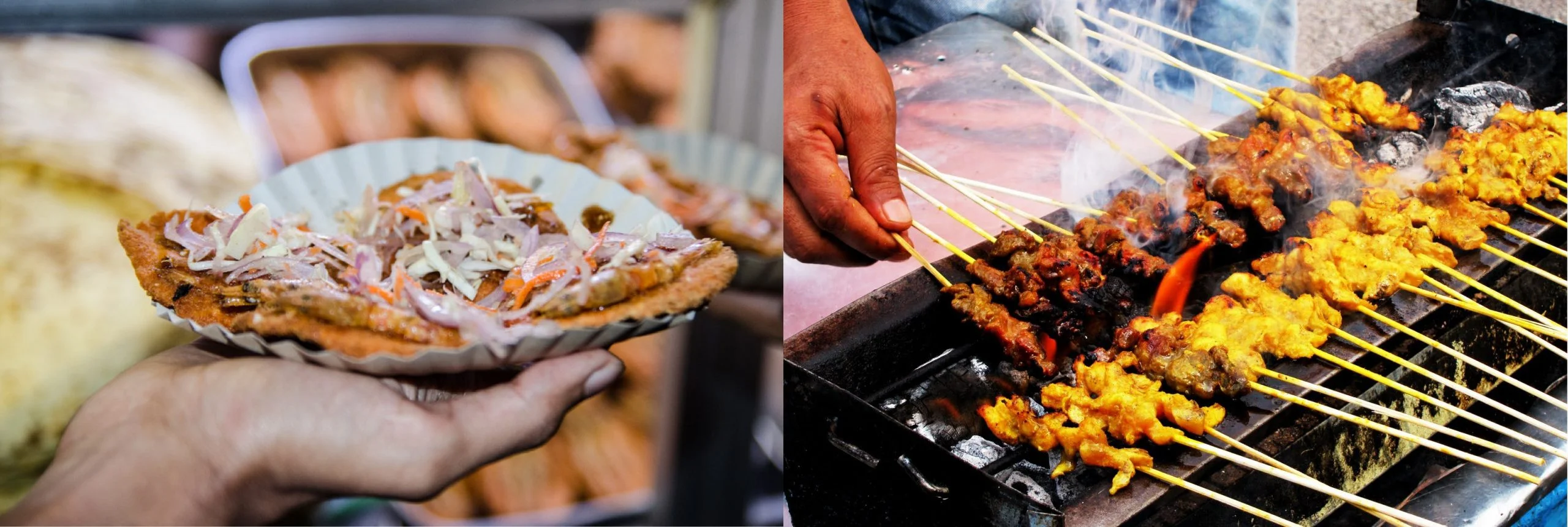 Freshly fried isso wade (spiced prawn fritters), an iconic street food staple along the Galle Face Green promenade.
The Sensory Labyrinth of Pettah and Cultural Quarters
Directly east of Fort lies Pettah, known locally as Pita-Kotuwa, the vibrant commercial epicentre of Colombo that has functioned as an open merchant bazaar for centuries. A labyrinth of bustling, narrow streets specialized by trade, Pettah delivers an electrifying sensory immersion into everyday merchant life. Along Sea Street, traditional Tamil jewellers display glittering ornaments in shop windows beneath the ornate, multi-tiered carved stone towers of historic Hindu kovils, such as Sri Ponnambalawaneswaram Kovil, an architectural marvel built entirely of hand-chiseled South Indian black granite.
Wandering deeper into the commercial grid reveals streets stacked high with vibrant silks and saris, fragrant sacks of dried red chillies, cinnamon bark, and cardamom in the spice alleys, and bustling stalls brimming with tropical produce. Rising dramatically above the crowded crossroads of Second Cross Street is the Jami Ul-Alfar Mosque, famously known as the Red Mosque. Completed in 1909 by master builder Habibu Labbe Saibu, this Indo-Saracenic masterpiece features mesmerizing candy-striped patterns of crimson and white bricks, onion-shaped minarets, and Gothic detailing, serving historically as a visual beacon for approaching maritime ships.
History enthusiasts in Pettah can also step into the quiet courtyard of the Dutch Period Museum on Prince Street, a stately two-storey mansion built in the latter half of the seventeenth century as the official residence of the Dutch VOC Governor, preserving antique period furniture, weapons, and historic coins. Just south of Pettah station, the Pettah Floating Market provides a pleasant wooden boardwalk lined with boutique craft stalls and juice kiosks floating gracefully along the rehabilitated waters of the Bastian Mawatha canal.
Modern Architecture, Arts, and the Lotus Tower
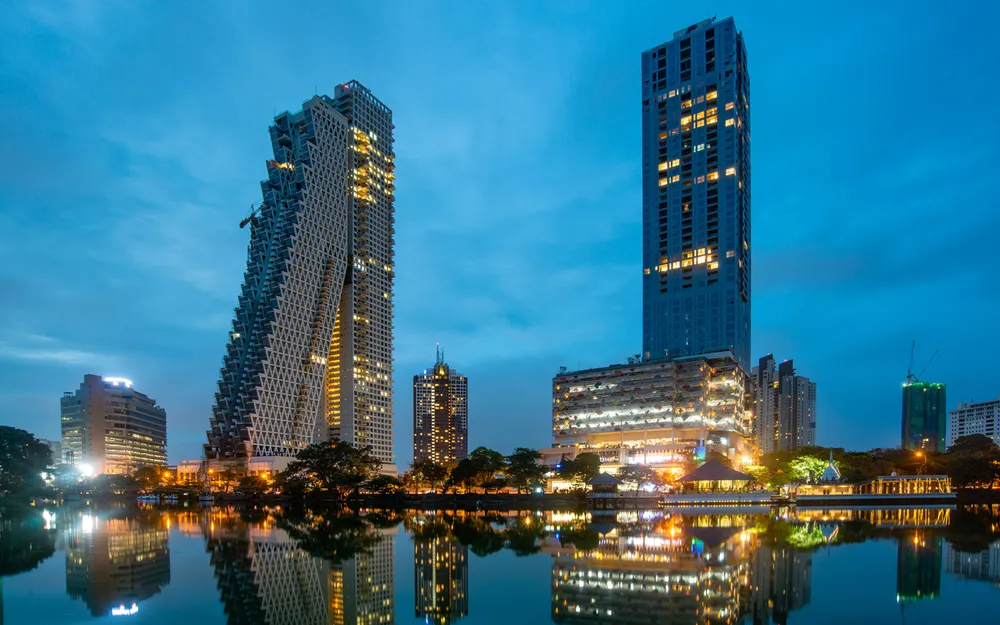
Colombo’s urban skyline has evolved dramatically in recent years, seamlessly combining cutting-edge contemporary engineering with beautifully preserved historical monuments. Piercing the clouds at a staggering height of 350 metres is the iconic Colombo Lotus Tower, recognized as the tallest self-supporting telecommunications structure in South Asia. Symbolizing purity and national flourishing, the tower is sculpted in the likeness of a blooming pink lotus bud, featuring a high-speed observation deck, digital entertainment zones, and a revolving restaurant that provides breathtaking 360-degree panoramic vistas extending across the city, the ocean, and all the way to the central mountains on clear mornings.
In the leafy, affluent residential neighborhood of Cinnamon Gardens (Colombo 7), broad jacaranda-lined boulevards give way to stately embassies, elegant colonial residences, and cultural institutions. At the heart of the district lies Viharamahadevi Park, the city’s largest landscaped green space, adorned with towering flowering trees, tranquil water fountains, walking trails, and a colossal gilded Buddha statue facing the majestic white facade of the Colombo Town Hall.
Directly adjacent to the park stands the National Museum of Colombo, founded in 1877 by British Governor Sir William Henry Gregory. Housed within a majestic Italianate pavilion, the museum safeguards the nation’s premier historical treasures, including the opulent gem-encrusted throne, royal scepter, and ceremonial crown of the last King of Kandy, Sri Vikrama Rajasinha, alongside ancient stone sculptures dating back to the Anuradhapura and Polonnaruwa kingdoms. Nearby, the Independence Memorial Hall stands proudly on Independence Square, constructed in 1948 to celebrate the nation’s freedom from colonial rule. Its monumental open-air pillared pavilion was inspired by the ancient royal audience hall (Magul Maduwa) of Kandy, featuring sixty stone columns carved with traditional floral motifs and guarded by rows of stone lions.
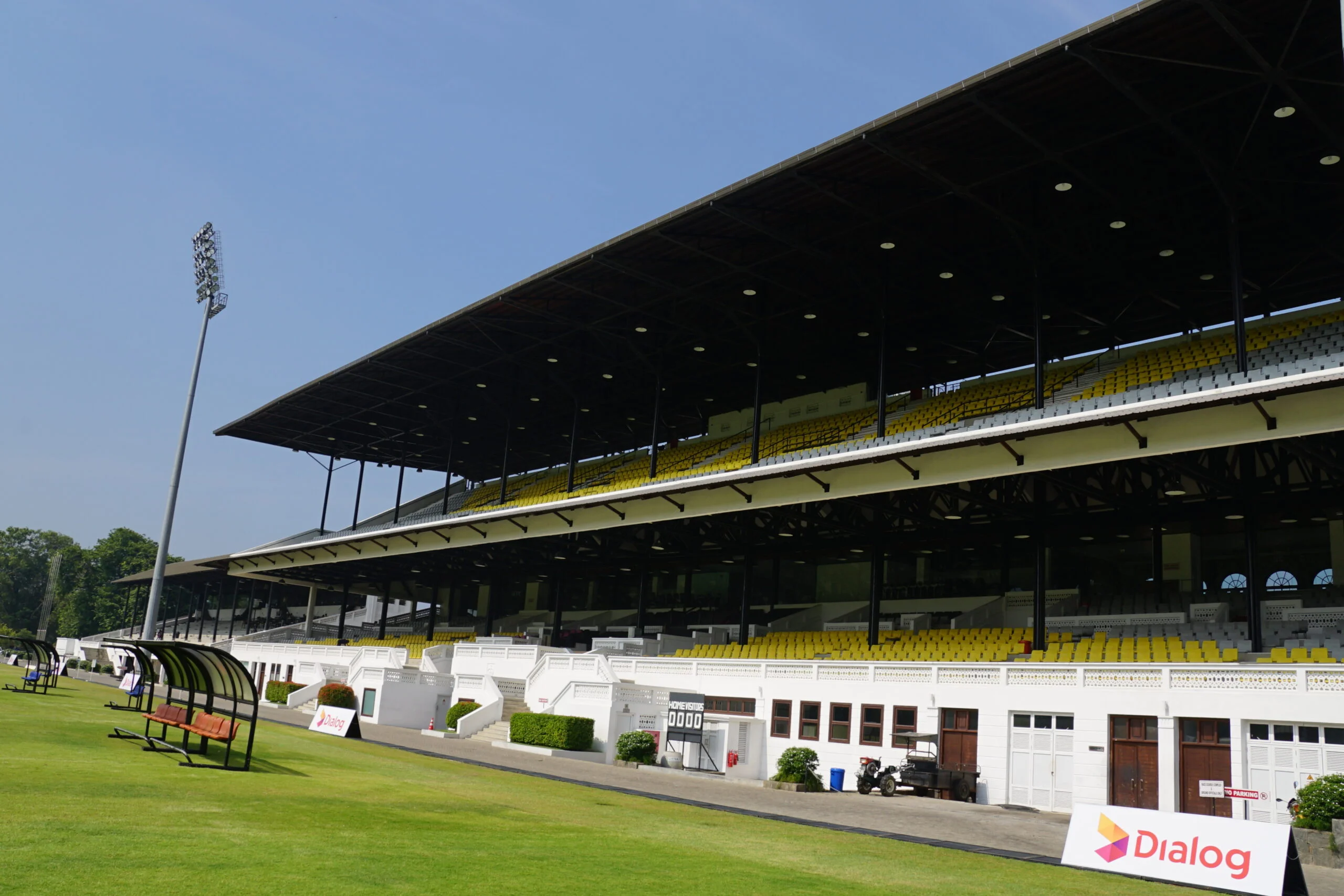 The restored Victorian grandstand of the historic Colombo Racecourse in Cinnamon Gardens, now a vibrant shopping and dining complex.
Gastronomy, Nightlife, and Urban Sophistication
Colombo has rapidly earned an international reputation as one of the premier gastronomic capitals of South Asia, catering to food lovers with everything from unpretentious street stalls to Michelin-caliber fine dining. At the forefront of the city’s culinary renaissance is Ministry of Crab, permanently ranked among Asia’s 50 Best Restaurants. Established within the open courtyards of the historic Old Dutch Hospital by celebrated culinary maestro Dharshan Munidasa alongside national cricket icons Mahela Jayawardene and Kumar Sangakkara, the restaurant celebrates the legendary wild lagoon mud crab, prepared in mouth-watering variations including fiery black pepper crab, garlic chilli sauce, and traditional coconut curries.
For a distinctly local yet artistic dining experience, travelers frequent Barefoot Garden Café on Galle Road in Bambalapitiya. Set within a tranquil frangipani courtyard behind an iconic boutique of hand-woven textiles, books, and crafts, the café serves delicious Mediterranean-inspired lunches, fresh fruit smoothies, and hosts lively live jazz sessions and poetry readings on weekends. Throughout the city, contemporary bistros and specialty coffee roasteries blend seamlessly with authentic local eateries where diners can enjoy hot egg hoppers, fragrant vegetable curries, and rhythmic musical performances from street-corner kottu roti chefs chopping flatbread on sizzling iron griddles.
As evening falls, Colombo transforms into a glamorous hub of entertainment. The city boasts an impressive array of sophisticated rooftop lounges, such as ON14 at Radisson Hotel and the Sky Lounge at The Kingsbury, where guests can sip crafted cocktails while enjoying sweeping views across the floodlit container port and illuminated high-rises. For those seeking lively evening recreation, international-standard casinos like Bally’s and Bellagio provide world-class gaming, live music, and private dining.
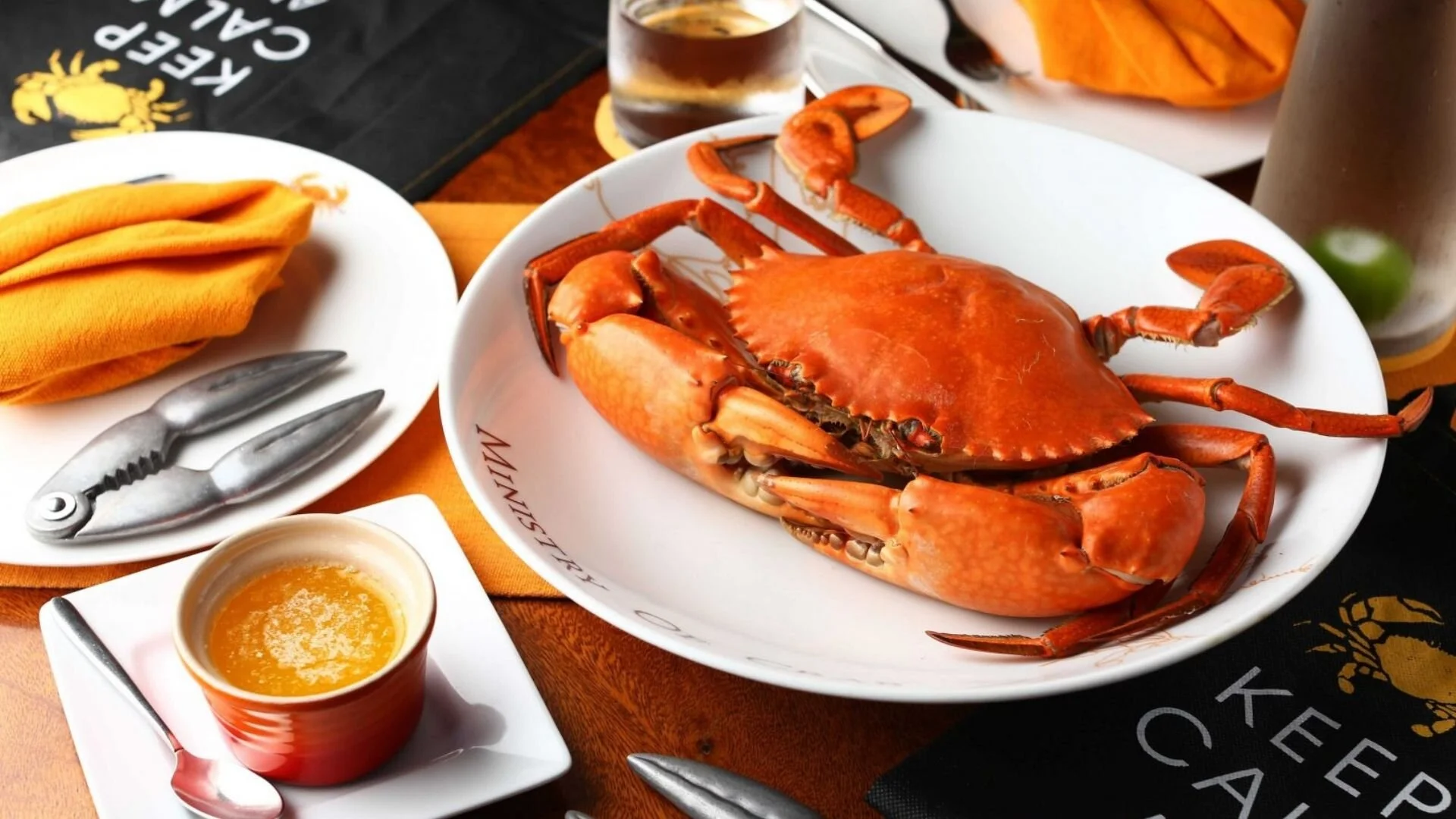 Signature lagoon crab prepared with fresh spices at Ministry of Crab, housed within the 17th-century Old Dutch Hospital.
Exploring Colombo: City Tours and Day Excursions
Discovering Colombo is an adventure best experienced through a variety of engaging perspectives. Visitors can embark on open-top double-decker bus tours that cruise along heritage boulevards with knowledgeable guides narrating the city’s multifaceted history, or rent vintage three-wheelers for guided safari tours that weave through hidden alleys, spice markets, and residential neighborhoods. Architecture enthusiasts can arrange specialized walking tours celebrating the urban legacy of Geoffrey Bawa, including visits to Number 11 on 33rd Lane, the master architect’s private home and studio that showcases his genius for blending indoor gardens, natural light, and modern concrete structures.
Colombo also serves as the ideal hub for memorable day trips across the southwestern lowlands. Travelers can venture twenty minutes north to explore the vibrant fishing harbors and lagoon mangrove ecosystems of Negombo, journey south along the Southern Expressway to the UNESCO-listed ramparts of Galle Dutch Fort in just ninety minutes, or head east into the lush foothill rainforests of Kitulgala for exhilarating whitewater rafting adventures.
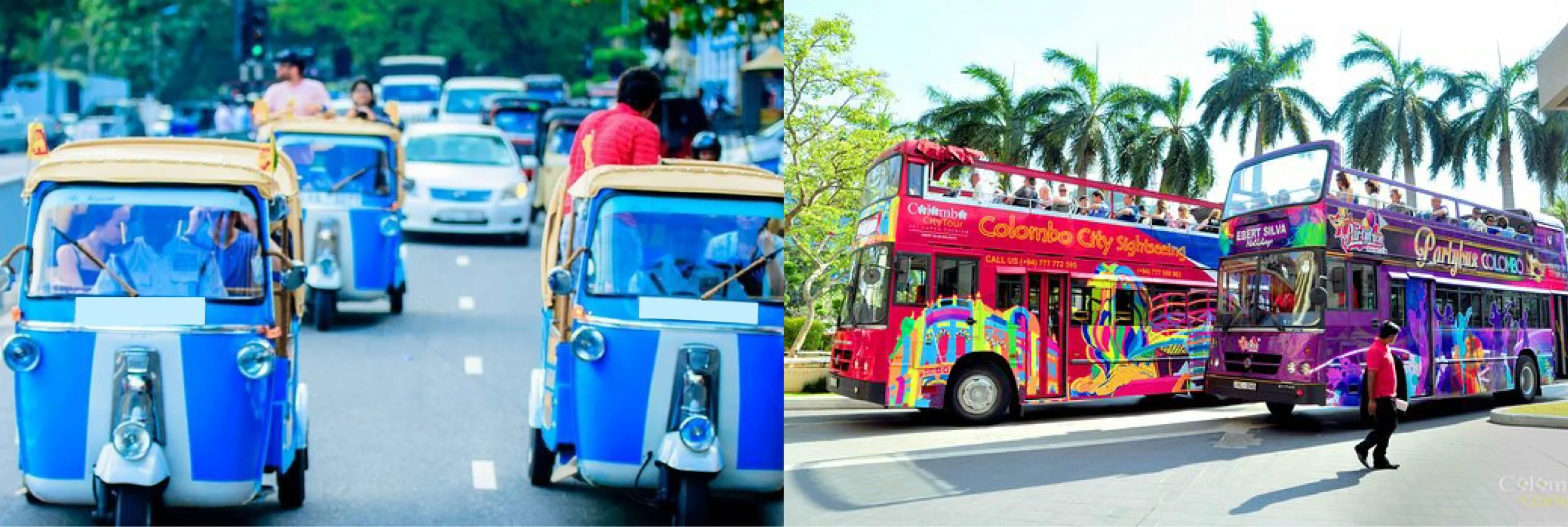 Taking in the capital’s heritage boulevards and landmarks aboard an open-top double-decker city tour bus.
Seasons, Climate, and Travel Logistics
Colombo enjoys a warm, tropical climate throughout the year, with temperatures consistently averaging between 28 and 32 degrees Celsius, tempered by gentle ocean breezes. The city experiences two primary monsoon periods: the southwest monsoon from May through September, which brings intermittent tropical showers, and the northeast monsoon from October through December. Even during the monsoon months, rainfall typically arrives in short, refreshing afternoon downpours, leaving the mornings clear for sightseeing, shopping, and urban exploration. The driest and sunniest months span from January through April, making it the premier window for outdoor city tours and sunset walks.
Reaching Colombo is seamless, with Bandaranaike International Airport (CMB) in Katunayake located thirty-five kilometres north of the city centre. The modern Colombo–Katunayake Expressway (E03) provides a swift, comfortable journey of thirty to forty-five minutes directly into central luxury hotels via private air-conditioned vehicle. Colombo Fort Railway Station serves as the primary railway terminus for the island, offering scenic express trains that transport travelers daily into the cool tea hills of Kandy and Ella, south to the coastal fortress of Galle, or north aboard the Yal Devi to Jaffna.
Planning Your Colombo Journey with Overa Tours
Whether you wish to explore centuries-old Buddhist monasteries and vibrant spice markets, embark on a private culinary crawl sampling street hoppers and world-class lagoon crab, admire Geoffrey Bawa’s architectural masterpieces, or unwind in five-star beachfront luxury overlooking the Indian Ocean, Colombo offers a captivating and richly rewarding destination. At Overa Tours, our team designs customized city itineraries featuring private luxury vehicle transfers, reservations at premier heritage hotels such as the Galle Face Hotel and Shangri-La Colombo, and private guided walking tours led by licensed cultural specialists.
Colombo connects effortlessly with all major travel circuits across the island, serving as the natural starting and finishing hub for journeys through the Cultural Triangle (Sigiriya, Polonnaruwa), hill country tea plantations, and southern wildlife sanctuaries. To begin planning your bespoke Colombo holiday, contact our travel specialists.
Frequently Asked Questions
How many days should travelers spend exploring Colombo?
A stay of one to two full days is recommended to comfortably experience the major highlights of Colombo. This provides ample time to visit Gangaramaya Temple and Seema Malakaya, explore the historic Fort quarter and Old Dutch Hospital, immerse yourself in the vibrant markets of Pettah, take in the evening sunset at Galle Face Green, and enjoy world-class dining at Ministry of Crab before journeying to other regions of the island.
What are the absolute must-visit attractions in Colombo for a first-time visitor?
First-time visitors should prioritize Gangaramaya Temple and its floating pavilion Seema Malakaya on Beira Lake, the historic colonial architecture of the Old Dutch Hospital and Fort district, the bustling open-air bazaars and Red Mosque in Pettah, the sunset street food walk on Galle Face Green, and the panoramic observation deck at the modern Colombo Lotus Tower.
How far is Colombo from Bandaranaike International Airport and how do you travel between them?
Colombo is located approximately thirty-five kilometres south of Bandaranaike International Airport (CMB) in Katunayake. The fastest, most comfortable way to travel between the airport and city hotels is via private air-conditioned vehicle along the Colombo–Katunayake Expressway (E03), which typically takes thirty to forty-five minutes depending on central traffic conditions. Overa Tours provides private chauffeur transfers directly upon arrival.
What are the best areas for dining and shopping in Colombo?
For upscale dining and nightlife, the Old Dutch Hospital in Fort and the beachfront restaurants along Galle Face and Kollupitiya offer exceptional culinary options, including Ministry of Crab and chic rooftop bars. For shopping, travelers can browse traditional hand-woven crafts, homeware, and fashion at Barefoot and Laksala, while One Galle Face Mall and Colombo City Centre provide international designer brands and modern department stores. For authentic local bargains, spices, and jewellery, the historic street markets of Pettah are unmissable.
What is the dress code for visiting religious sites like Gangaramaya Temple?
When visiting Buddhist temples like Gangaramaya or Hindu kovils like Sri Ponnambalawaneswaram, visitors must dress modestly with shoulders and knees covered. Loose, breathable white or light-coloured clothing is customary and deeply appreciated. Footwear and hats must be removed before entering sacred temple precincts, with shoe storage facilities available at temple entrances.
What is the best time of year to visit Colombo?
Colombo can be visited year-round thanks to its warm tropical climate, but the premier months for sightseeing are from January through April, when the weather is predominantly sunny and dry. The shoulder months of July through September also offer pleasant conditions with occasional brief afternoon showers that rarely disrupt travel plans.