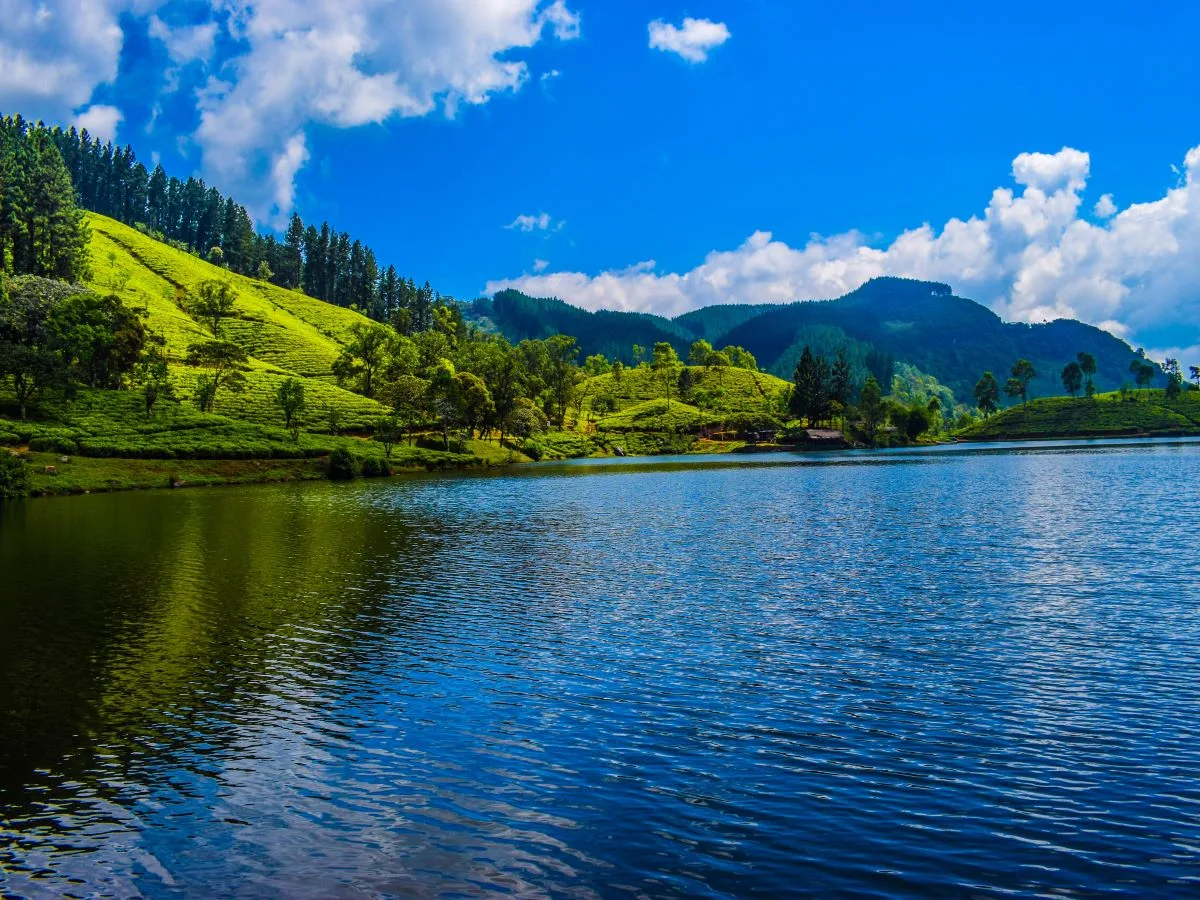
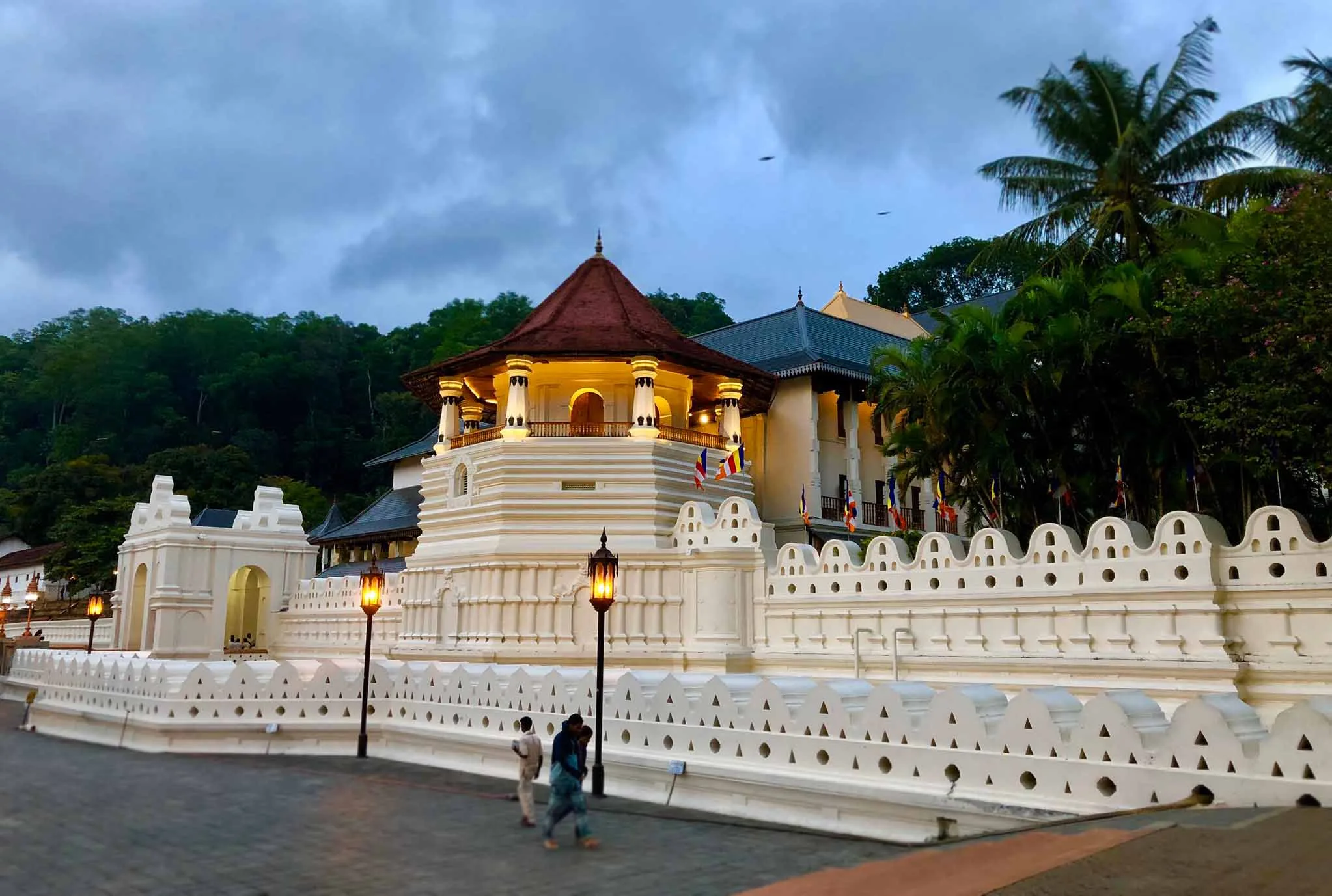
Set against the forested slopes of the Udawattakele Sanctuary on the northern shores of Kandy Lake (Kiri Muhuda), the Temple of the Sacred Tooth Relic (Sri Dalada Maligawa) is the spiritual heart of the Buddhist world. Located in the hill capital of Kandy, this golden-roofed royal temple complex shelters the sacred canine tooth of Gautama Buddha—the supreme religious palladium of sovereignty and faith.
As a core anchor of the UNESCO World Heritage City of Kandy, the temple represents centuries of sacred architecture, living rituals, and royal patronage preserved through successive dynasties.
History & Sacred Provenance of the Tooth Relic
The history of the Sacred Tooth Relic is intimately bound to the political legitimacy of the island’s rulers:
- Arrival from India: Preserved following the Buddha’s Parinirvana in 543 BCE, the relic was brought to the island in the 4th century CE during the reign of King Kithsirimewan. Princess Hemamala and Prince Dantha smuggled the tooth hidden within the elaborate folds of the princess’s hair to escape battlefield conflicts in Kalinga, India.
- Symbol of Sovereignty: Throughout history, possession of the Tooth Relic was considered the divine mandate to rule. Successive monarchs constructed increasingly elaborate relic temples as the royal seat migrated from Anuradhapura to Polonnaruwa, Dambadeniya, Yapahuwa, Kurunegala, Gampola, Kotte, and finally to Kandy.
- The Kandyan Dynasty: King Vimaladharmasuriya I originally brought the relic to Kandy in the late 16th century, building a two-storey shrine. Subsequent Kandyan rulers continually restored and embellished the complex, culminating in King Sri Wickrama Rajasinghe’s additions of the octagonal pavilion and the artificial lake in the early 19th century.
Architectural Highlights of the Temple Complex
The temple compound incorporates classical Kandyan royal architecture, intricate ivory carvings, moonstones, and painted woodwork:
- Maha Vahalkada (The Grand Gateway): The primary entrance to the inner sanctuary, flanked by carved stone guardstones, a traditional moonstone (sandakada pahana), and sculpted stone tuskers.
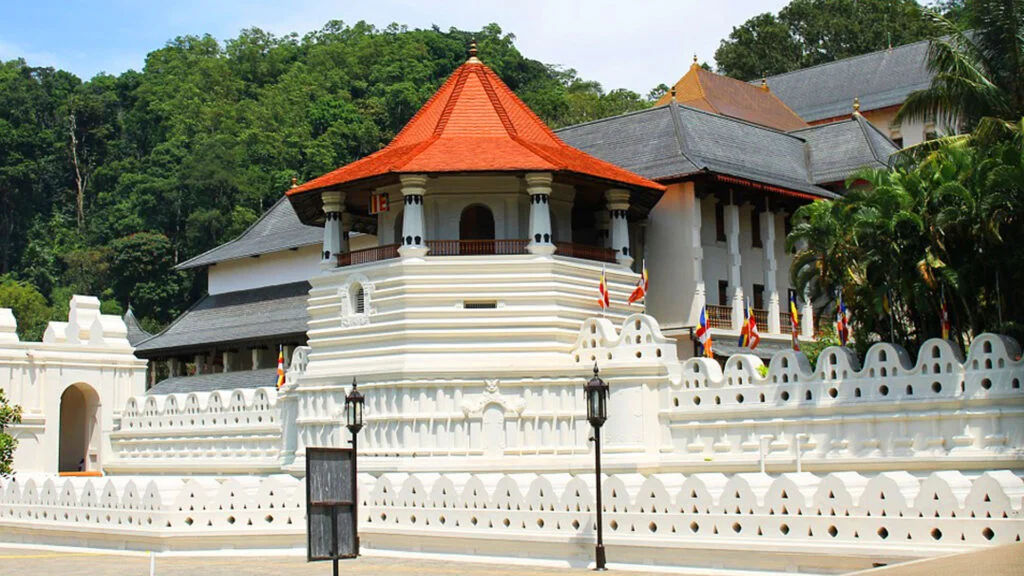
- Walakula Bemma & Diyareli Bemma: The low, decorative white parapet walls surrounding the outer moat. The outer “Wave-Swept Wall” (Diyareli Bemma) and inner “Cloud-Drift Wall” (Walakula Bemma) feature triangular niches that hold flickering coconut-oil clay lamps during festivals.
- Paththirippuwa (The Octagonal Pavilion): The iconic eight-sided tower designed by royal master-builder Devendra Mulachari in 1807, originally used by the Kandyan king to address his subjects, and now housing rare ola-leaf (palm-leaf) Buddhist manuscripts.
- Hewisi Mandapaya (Drummers’ Pavilion): The ground-floor colonnade where traditional Kandyan drummers (beravayo) and horn players perform ritual music during daily ceremonies.
- Vadahitina Maligawa (The Inner Sanctum): The two-tiered inner shrine housing the Sacred Tooth Relic. The holy relic rests within seven nested, jeweled golden caskets (stupikas) adorned with precious rubies, emeralds, and diamonds, set upon a solid gold lotus throne beneath a gilded roof canopy.
- The Four Devales: Shrines surrounding the main palace compound dedicated to the four guardian protector deities: Natha, Vishnu, Kataragama, and the goddess Pattini.
Daily Thevava Ceremonies & The Kandy Esala Perahera
Sri Dalada Maligawa remains an active center of veneration guided by the monastic chapters of Malwatta and Asgiriya:
- Daily Thevava Rituals: Elaborate drumming, chanting, and ceremonial food offerings (Thevava) take place three times daily behind closed curtains, opening briefly for public viewing of the golden casket:
- Morning Service: 05:30 AM – 07:00 AM
- Midday Service: 09:30 AM – 11:00 AM
- Evening Service: 06:30 PM – 08:00 PM
- The Kandy Esala Perahera: Held annually during the July/August lunar month of Esala, this ten-day festival is one of Asia’s most spectacular religious pageants. Over a hundred gorgeously caparisoned elephants, whip-crackers, torch-bearers, and acrobatic Kandyan dancers escort a duplicate of the sacred relic casket through the torch-lit streets of Kandy.
Practical Visitor Guidance & Temple Etiquette
- Dress Code: Modest attire is strictly enforced. Visitors must wear white or light-coloured clothing covering shoulders and knees. Hats, caps, and footwear must be removed and checked in at the designated shoe counters outside the main gate.
- Visiting Etiquette: Photography is allowed in outer courtyards and open corridors, but turning your back to Buddha statues for selfies or using flash during prayer rituals is strictly forbidden.
- Best Times to Visit: Early morning or during the evening Thevava (around 6:00 PM) when the courtyard is lit by oil lamps, drums echo through the pavilions, and pilgrims offer fragrant frangipani and lotus flowers.
Nearby Kandy & Cultural Triangle Highlights
- Kandy City Guide: Explore colonial landmarks, Queen’s Hotel, and scenic strolls around Kandy Lake.
- Royal Botanic Gardens Peradeniya: Tour sprawling orchid houses, giant bamboo groves, and royal palm avenues just 15 minutes away.
- Hantana Mountain Range: Picturesque hiking ridges and Ceylon tea country overlooking the Kandy valley.
- Pinnawala Elephant Orphanage: Renowned sanctuary along the Colombo–Kandy highway featuring twice-daily river bathing.
- Cultural Triangle Guide: Continue north into the heart of the ancient royal kingdoms.
- Dambulla Cave Temple: World-famous cave monastery preserving centuries of Buddhist murals and statues.
- Sigiriya Rock Fortress: The legendary 5th-century palace citadel rising above the central plains.