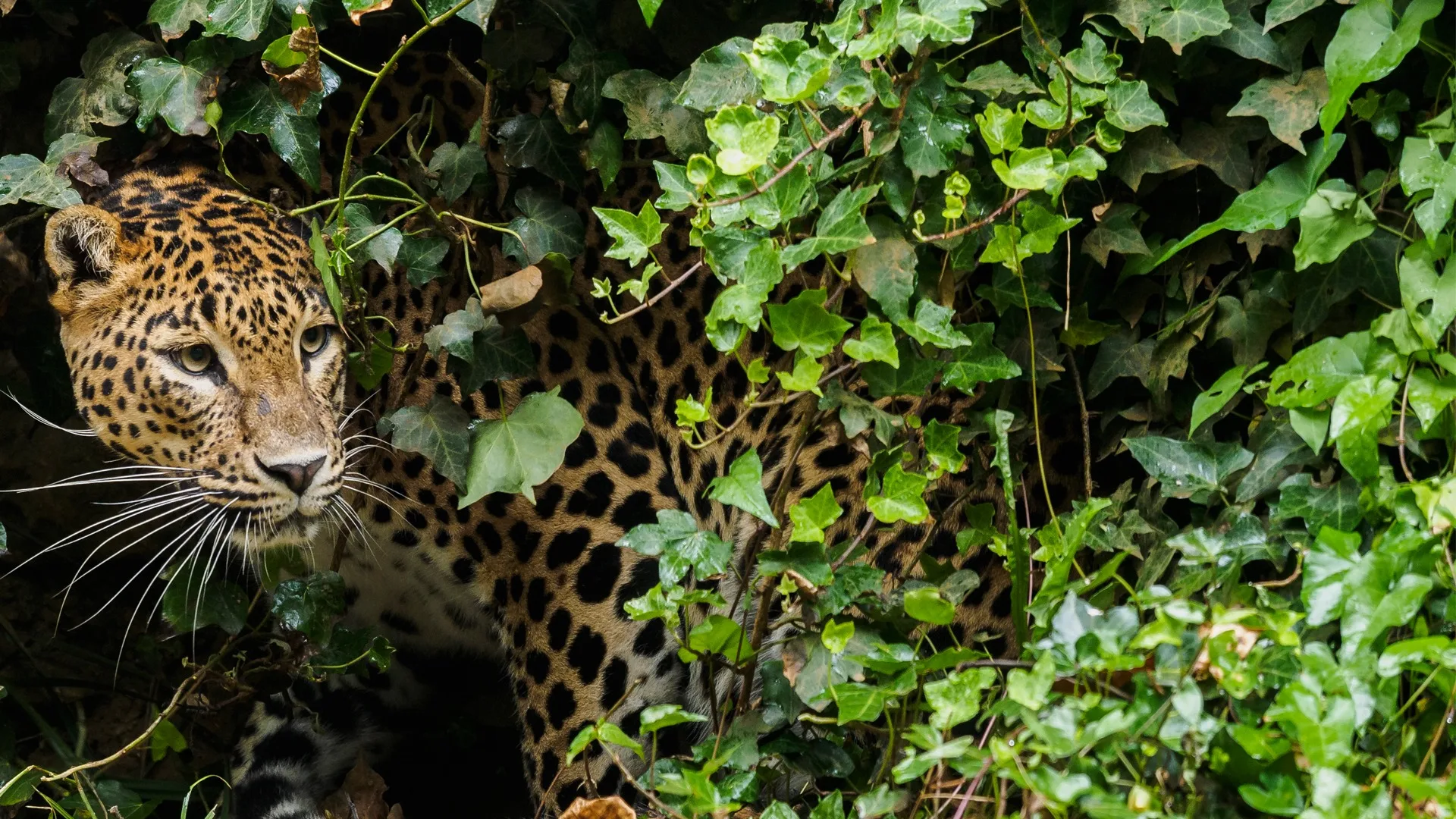
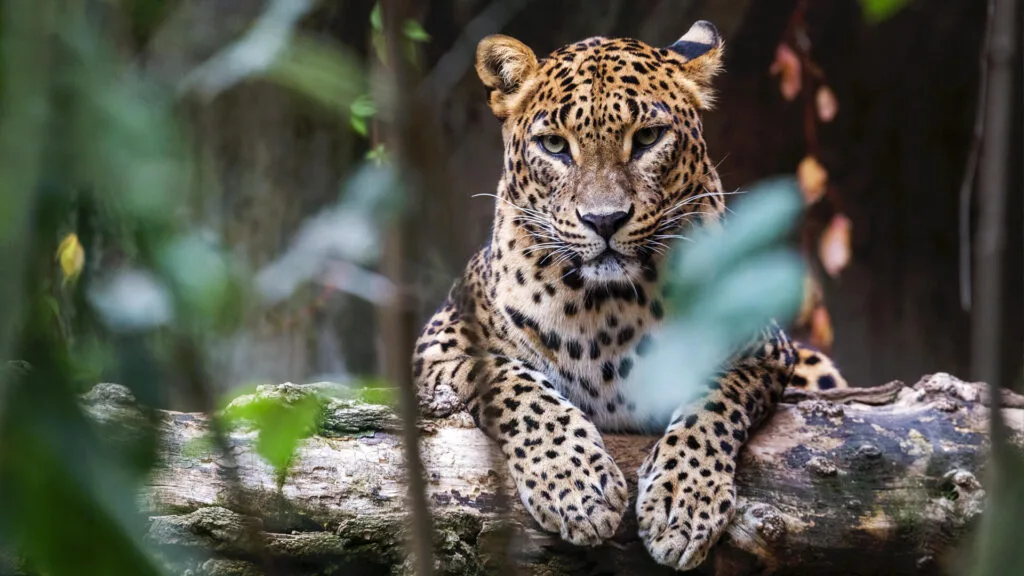
The fascinating leopard is the undisputed star of the animal kingdom. Wildlife enthusiasts consider it a once-in-a-lifetime opportunity to witness this magnificent big cat in its natural habitat, and that dream becomes reality in Yala. Boasting one of the highest recorded leopard densities on earth, a safari in Yala National Park is widely recognized as the premier destination for leopard game drives.
Spanning an expansive landscape of coastal lagoons, thorny scrublands, and open grasslands along the southeastern coast, Yala provides an ideal sanctuary for an extraordinary spectrum of biodiversity. A safari across the park brings visitors up close with 215 bird species (making bird watching in Yala an extraordinary pastime), 44 mammal species, 47 reptile species, 18 amphibian species, and 21 freshwater fish species, making it a world-class wildlife destination by any global standard.
The Wildlife Experience: Elephants, Sloth Bears, and Spotted Deer
While the Sri Lankan leopard (Panthera pardus kotiya) captures international headlines, Yala is home to an astonishing assembly of other iconic mammals:
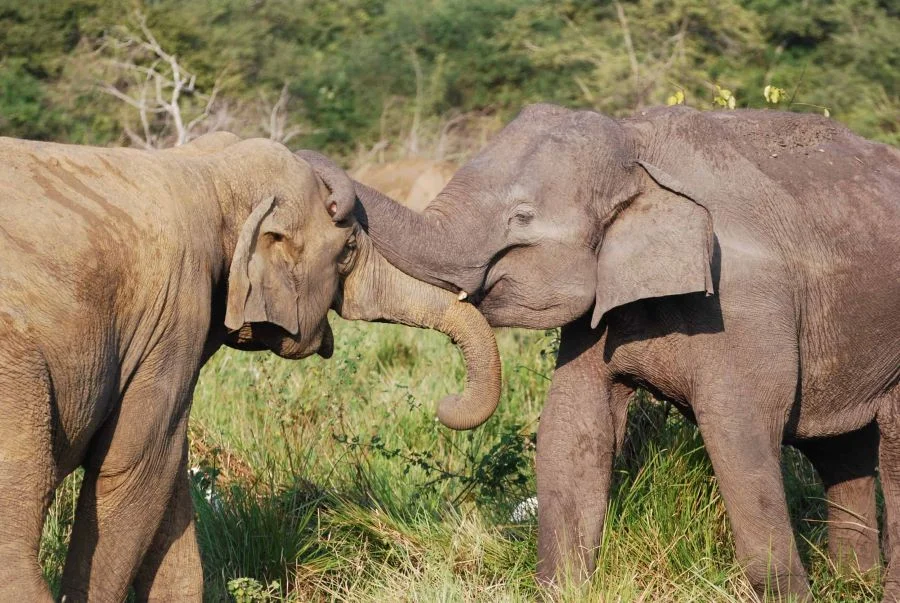
Wild Asian Elephants
The resident elephant population across Yala ranges between 300 and 350 individuals. Small family herds, solitary bulls, and mothers with calves are frequently observed grazing near waterholes, drinking at freshwater lakes, and moving peacefully through the scrub jungle.
Sri Lankan Sloth Bears
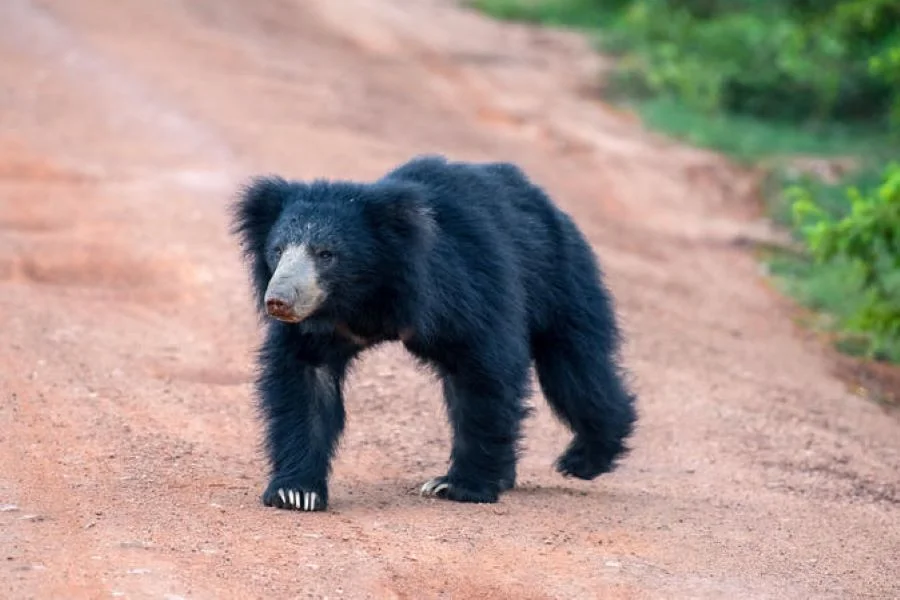
Yala is one of the finest places in Asia to catch a glimpse of the elusive Sri Lankan sloth bear (Melursus ursinus inornatus), especially during the dry months between May and July when palu and weera trees bear sweet ripe fruit across the park’s interior.
Spotted Deer and Grazing Herbivores
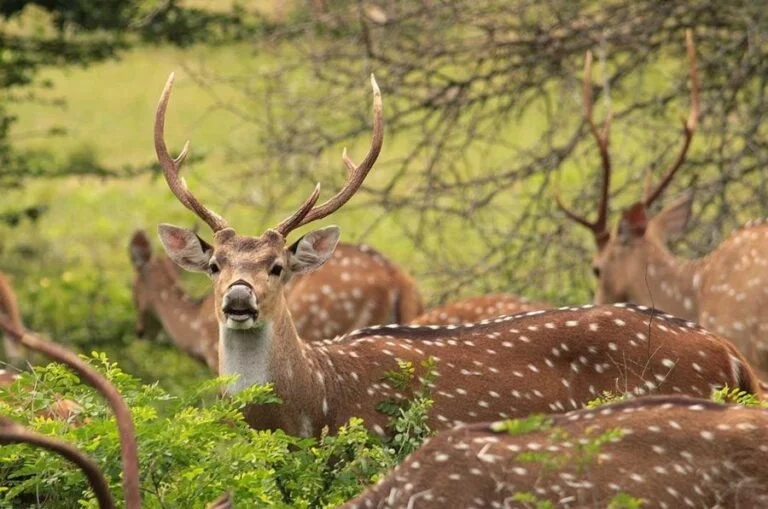
Expansive herds of Sri Lankan spotted deer (Axis axis ceylonensis, or chital) graze gracefully across the open grasslands alongside sambar deer, wild water buffalo, and wild boars, remaining alert for predators.
Practical Safari Information and Park Entrances
Yala National Park covers 979 square kilometers divided into five distinct sectors, with Blocks 1 and 2 being the primary zones accessible for wildlife game drives.
- Opening Hours: 6:00 AM to 6:00 PM daily.
- Palatupana Entrance (Block 1): The primary and most frequently visited gate, offering immediate access to the southeastern coast and the highest concentration of leopard sightings.
- Katagamuwa Entrance (Block 2): Situated close to Kataragama, this entrance features lower jeep traffic and scenic wetlands.
- Galge Entrance (Blocks 3 & 5): Located along the Buttala-Kataragama road, offering peaceful game drives with minimal vehicles and favorable leopard and sloth bear sightings.
- Kumana Entrance (Yala East): Accessible from the east coast, internationally renowned for expansive bird nesting mangroves and waterfowl colonies.
Safaris are typically conducted as half-day morning drives (6:00 AM – 10:00 AM), afternoon drives (2:30 PM – 6:00 PM), or comprehensive full-day expeditions that include a midday rest period by designated riverbanks.
Major Ecosystems Inside Yala
The park features a rich tapestry of coastal and dry-zone habitats that support varied wildlife communities:
- Moist and dry monsoon forests
- Semi-deciduous thorn scrublands
- Expansive natural grasslands and patanas
- Inland freshwater lakes and rainwater reservoirs (wewas)
- Brackish coastal lagoons and mangrove marshes
- Pristine sandy beaches and sand dunes along the Indian Ocean
Best Time for a Yala National Park Safari
- February to July: The optimal period for spotting leopards and sloth bears. As natural water sources dry up across the park, wildlife congregates predictably around permanent waterholes.
- August to October: Favorable for observing migratory bird arrivals. Note that Block 1 occasionally closes for a few weeks in September or October during intense drought to allow animal rehabilitation.
- November to January: Post-monsoon season brings lush green foliage, filled waterholes, and colorful birdlife, though animals tend to disperse across broader areas.
Safari Etiquette and Preparation Tips
To ensure a safe and rewarding safari experience, keep these guidelines in mind:
- Wear lightweight, comfortable clothing in neutral tones like beige, khaki, or green.
- Bring sun protection including sunscreen, sunglasses, and a wide-brimmed hat.
- Carry a good pair of binoculars and a camera with a telephoto zoom lens for wildlife photography.
- Pack adequate drinking water in reusable bottles to stay hydrated under the tropical sun.
- Always remain inside your safari vehicle; disembarking is strictly prohibited under park safety regulations.
- Keep noise levels low and avoid sudden movements so animals remain undisturbed in their natural behavior.
Nearby Attractions Around Yala
Yala’s location in the deep south allows travelers to easily explore neighboring cultural and scenic highlights:
- Kataragama – A sacred multi-faith pilgrimage town revered by Buddhists, Hindus, and Muslims alike.
- Bundala National Park – A designated UNESCO Biosphere Reserve renowned for thousands of wintering greater flamingos and wetland birds.
- Kirinda Beach – A rugged coastal outcrop featuring an ancient seaside Buddhist shrine and sweeping ocean panoramas.
- Tangalle – Pristine southern beaches and quiet secluded coves located just an hour’s drive to the west.
- Mirissa & Weligama – Celebrated coastal towns famous for whale watching and beginner surfing.
Frequently Asked Questions
What animals can I see on a Yala National Park safari?
A safari in Yala offers opportunities to observe Sri Lankan leopards, wild Asian elephants, sloth bears, spotted deer, sambar deer, wild water buffalo, mugger crocodiles, golden jackals, toque macaques, and over two hundred species of resident and migratory birds.
When is the best time of year to visit Yala for leopard sightings?
The dry season from February to July is the best time for leopard sightings. During these months, dry vegetation improves visibility into the scrubland, and animals regularly visit the remaining waterholes to drink.
Is Yala National Park suitable for families with children?
Yes. Yala is suitable for families, provided young children can comfortably sit in an open-sided safari vehicle for three to four hours. Morning game drives are generally cooler and more comfortable for younger travelers.
What should I bring on a Yala safari game drive?
Bring high-SPF sunscreen, sunglasses, a hat, binoculars, a camera with a zoom lens, and plenty of drinking water. Dress in light, breathable clothing in neutral colors like khaki or green.
Does Yala National Park close during certain months?
Block 1 of Yala National Park sometimes closes temporarily for four to six weeks in September or October during peak dry conditions to allow wildlife respite and track maintenance. During any temporary closure of Block 1, safari game drives operate smoothly in neighboring Block 5 or adjacent parks like Lunugamvehera and Bundala.