Jump to Section in Guide (8)
Visiting the best tea plantations in Sri Lanka is one of the most rewarding additions to any holiday itinerary. Of all the agricultural and cultural treasures the island has shared with the world, none is more celebrated than pure Ceylon tea. Cultivated across emerald mountain slopes since the 19th century, tea growing has shaped the landscape, history, and economy of the central highlands. Contact our travel team to plan your personalized tea country journey.
Sri Lanka remains one of the world’s premier tea producers, internationally renowned for distinct regional flavor profiles ranging from light, citrusy high-grown varieties to bold, full-bodied low-grown teas.
Where Can You Find the Best Tea Plantations in Sri Lanka?
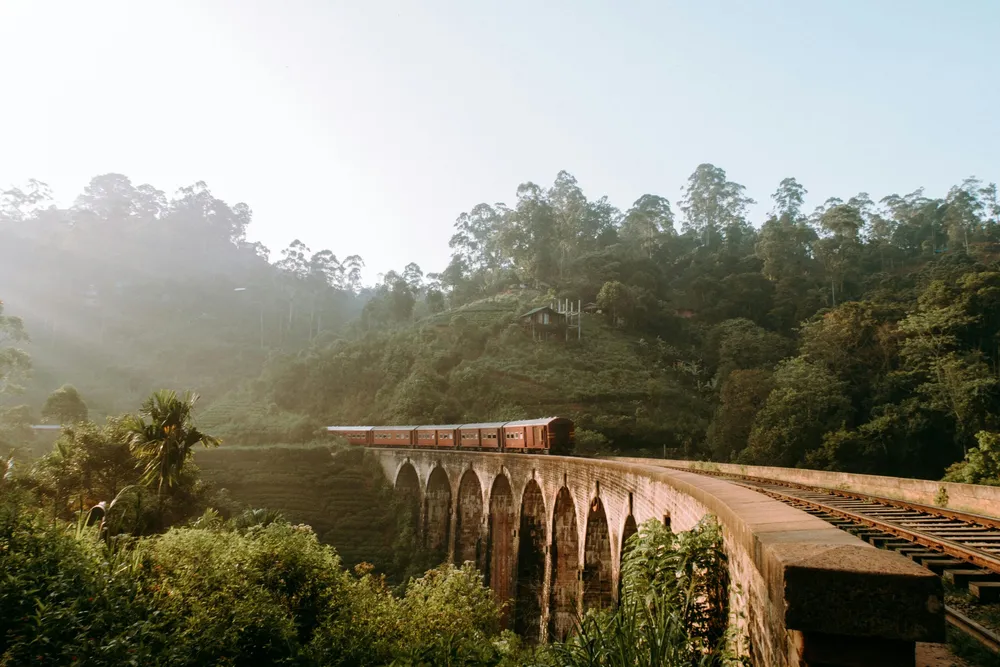
Misty tea plantations offer a refreshing escape from coastal heat. These scenic estates blanket the central highlands and rolling hill country, where high elevation, crisp mountain air, and abundant rainfall create ideal microclimates for Camellia sinensis.
The majority of renowned tea estates are located throughout the central and southern hill country, dotted with cascading waterfalls, pine forests, and colonial-era bungalows. The charming mountain hamlets and historic country estates evoke a bygone era, but it is the vibrant emerald tea terraces that truly captivate travelers.
Top Tea Plantations to Visit in Sri Lanka
1. Kandy Tea Plantations
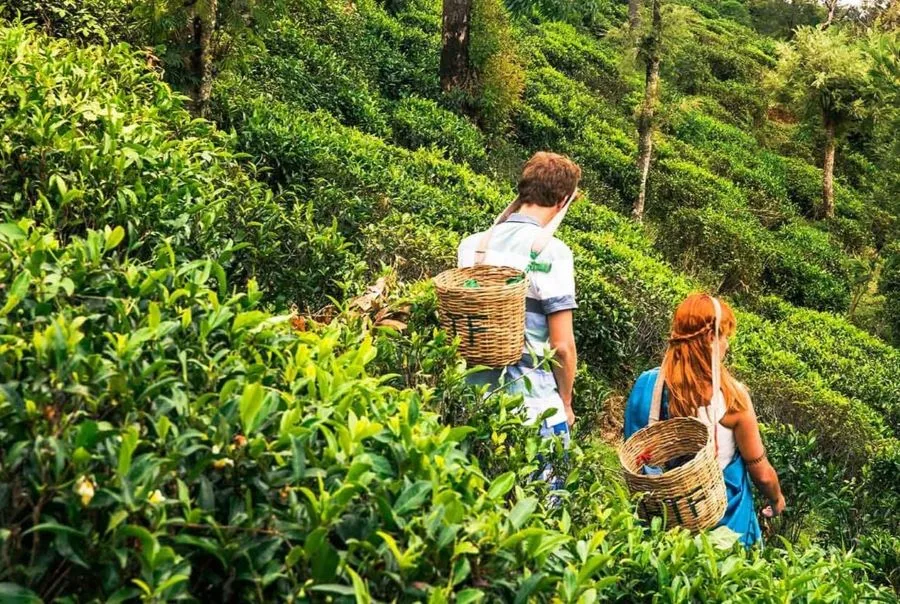
The historic hill capital of Kandy, home to the sacred Temple of the Sacred Tooth Relic, serves as the northern gateway to the tea country. If your travel schedule does not permit journeying deeper into the higher elevations from Colombo, the tea estates surrounding Kandy offer an accessible, high-quality introduction to tea manufacturing.
Kadugannawa Tea Estate
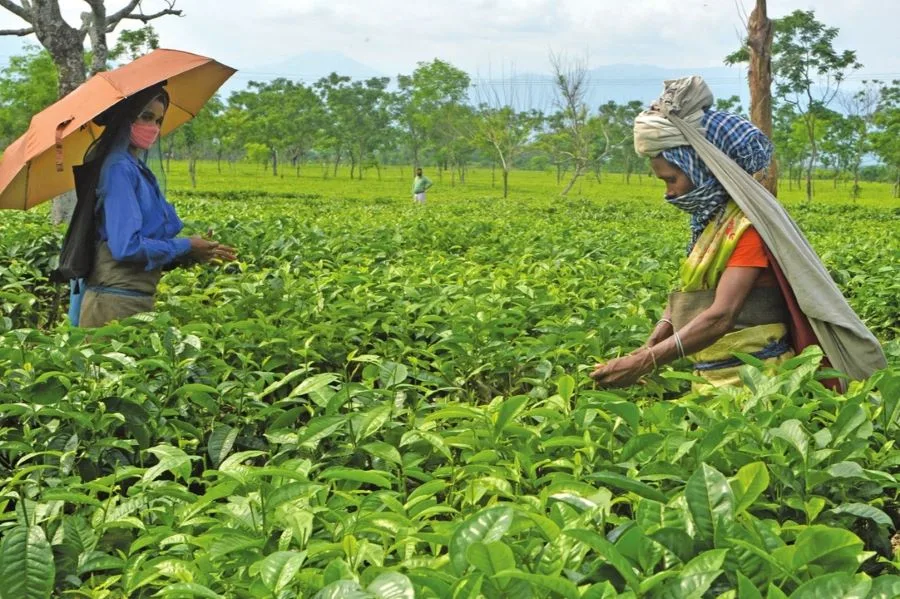
Located approximately 20 miles west of Kandy, Kadugannawa offers informative factory walkthroughs led by knowledgeable resident guides. Visitors learn each phase of orthodox tea crafting — from plucking and withering to rolling, oxidation, firing, and sorting. Factory tours are family-friendly, concise, and finish with a tasting of freshly brewed black and green teas alongside an on-site tea boutique.
Hanthana Tea Estate & Ceylon Tea Museum
Housed inside the historic 1925 Hanthana Tea Factory just south of Kandy, the Ceylon Tea Museum is an essential stop for history buffs. Visitors can inspect vintage 19th-century rolling machines, learn about pioneering planters James Taylor and Thomas Lipton, and enjoy tea tastings with panoramic views from the top-floor cafe.
2. The Tea Plantations of Nuwara Eliya
Perched at over 1,800 meters elevation, Nuwara Eliya is the capital of high-grown Ceylon tea. The cool alpine climate and misty valleys produce light, fragrant teas often referred to as the “Champagne of Ceylon tea.”
Pedro Tea Estate
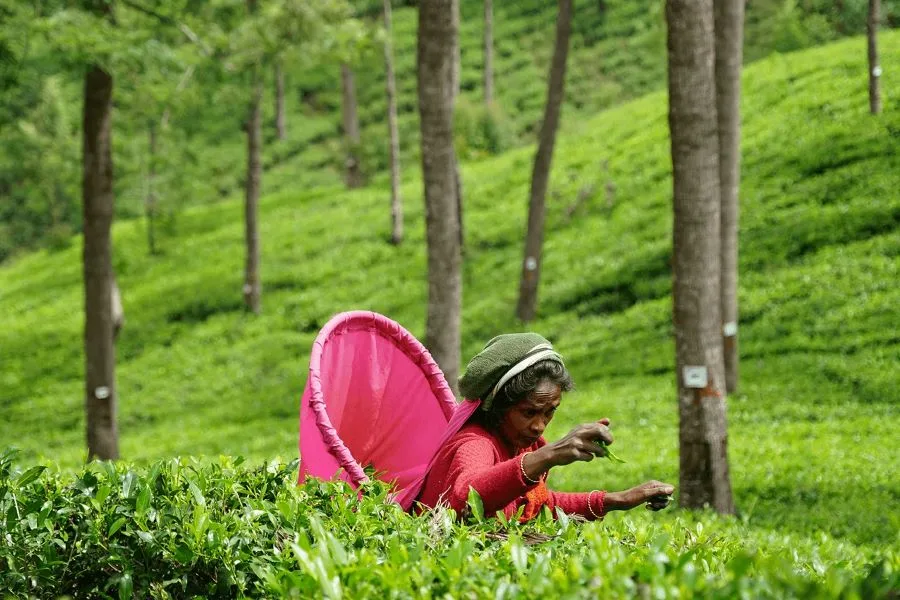
Founded in 1885, the Pedro Tea Estate rests on the historic grounds where James Taylor first planted commercial tea bushes. Factory tours offer a transparent look at night-time processing techniques used to preserve the delicate aroma of high-grown tea leaves. An open-air cafe overlooks peaceful tea valleys, making it an ideal mid-morning stop.
Damro Labookellie Tea Estate
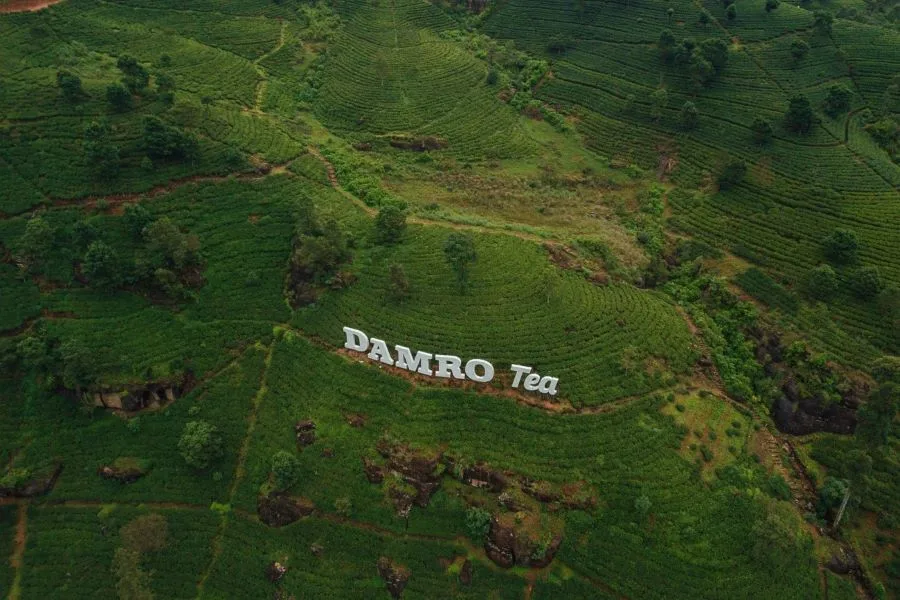
Covering more than 5,000 acres of emerald hills along the Kandy–Nuwara Eliya highway, Damro Labookellie is the second-oldest commercial tea plantation in Sri Lanka. Complimentary factory tours guide visitors step-by-step through the production process. Afterward, guests can relax in the modern Damro Tea Lounge to enjoy freshly brewed single-estate tea paired with warm pastries while admiring the scenery.
Blue Field Tea Factory
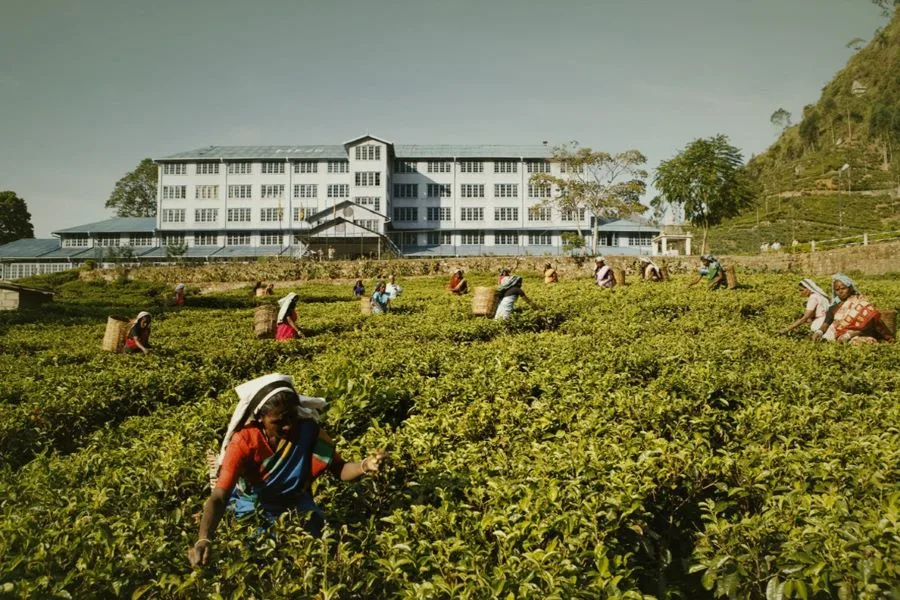
Situated near Ramboda Falls on the scenic mountain road between Kandy and Nuwara Eliya, Blue Field Tea Factory spans nearly 200 acres of tea gardens. Producing over 30,000 kilograms of high-grown tea monthly, the working factory provides engaging educational tours, garden walks, and an extensive tasting pavilion.
3. Dambatenne Tea Factory, Haputale
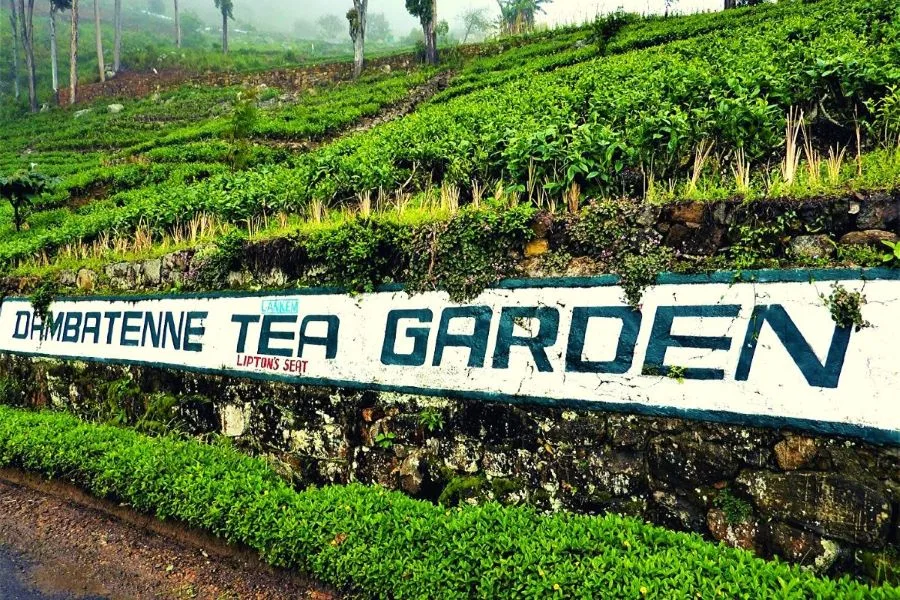
Constructed in 1890 by Sir Thomas Lipton, Dambatenne is one of the most storied tea factories on the island. Lipton founded the estate to bypass middlemen and supply affordable tea directly to British households, sparking a global tea revolution.
Remarkably, Dambatenne still operates much of its original Victorian-era machinery, providing a fascinating glimpse into 19th-century industrial engineering. Visitors who arrive before noon can witness the processing line in full swing, and combine their visit with a trek up to Lipton’s Seat — the famous lookout where Thomas Lipton once surveyed his vast tea empire.
4. Halpewatte Tea Factory, Ella
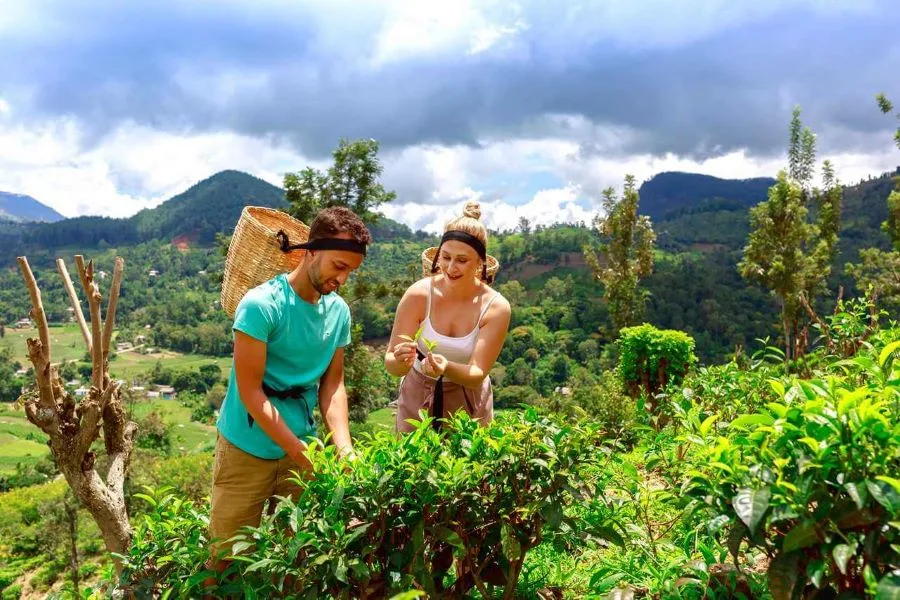
Located just 5 kilometers north of Ella, Uva Halpewatte is the largest tea manufacturing facility in the Uva region. Established in 1940, Halpewatte offers comprehensive, guided educational tours explaining leaf sorting, withering, rolling, oxidation, and packaging. The factory’s hilltop location provides sweeping valley views, complemented by an expansive tasting lounge and sales boutique.
Sri Lankan Tea: A Brief Historical Account
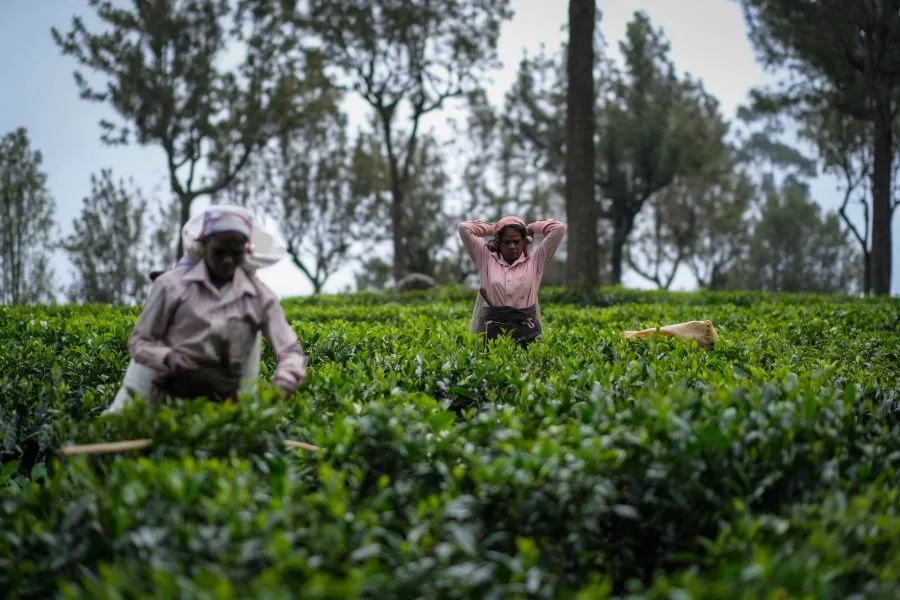
The history of Ceylon tea began in 1824 when the British first introduced a tea plant from China to the Royal Botanic Gardens in Peradeniya. Commercial cultivation took root in 1867 when Scotsman James Taylor planted 19 acres of tea on the Loolecondera estate in Kandy.
When a devastating coffee rust blight (Hemileia vastatrix) wiped out the island’s coffee industry in the 1870s, planters rapidly transitioned to tea. Within a few decades, Ceylon established itself as a world-leading tea producer. Today, the nation exports hundreds of millions of kilograms of pure Ceylon tea each year, supported by thousands of dedicated smallholders and historic regional estates.
Experience the Tea Country with Overa Tours
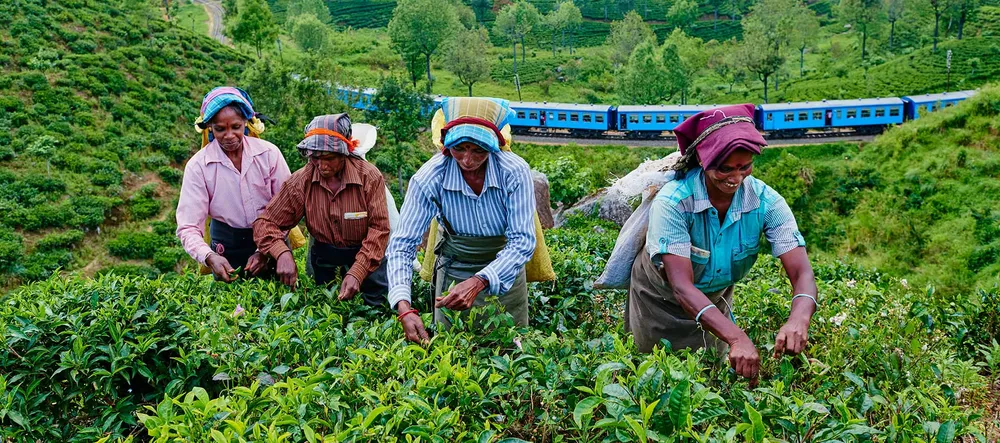
Wandering working tea plantations, meeting tea pluckers, and tasting single-origin brews inside historic colonial factories is a signature highlight of any journey. Overa Tours crafts personalized, chauffeur-guided itineraries through Kandy, Nuwara Eliya, Haputale, and Ella.
Contact our travel team today to begin planning your bespoke tea country tour!