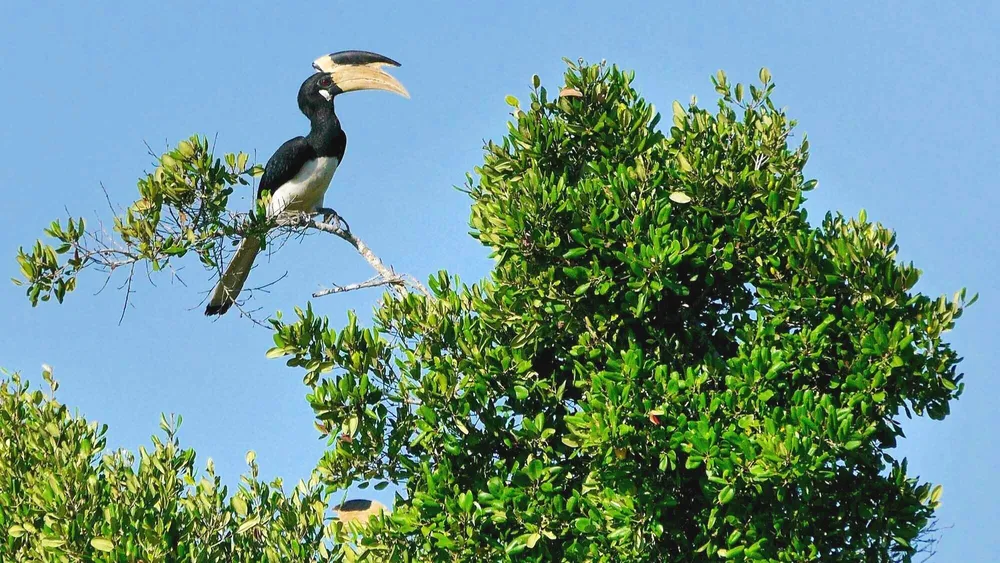
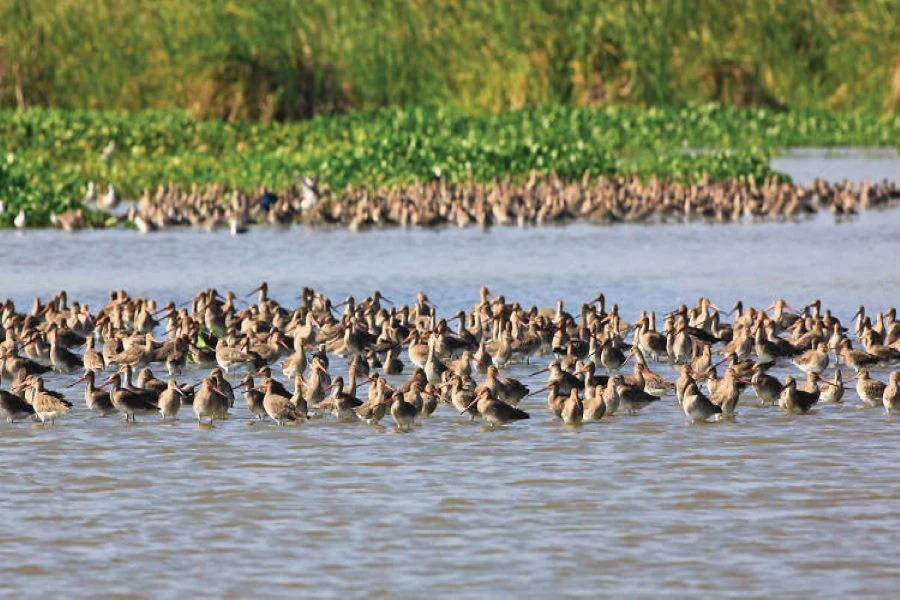
Bundala National Park is one of the premier destinations in Sri Lanka for bird watching and wetland wildlife safaris. More than 197 bird species have been recorded inside the park, including 58 migratory species that journey along the Central Asian Flyway. In addition to abundant avifauna, wildlife frequently sighted at Bundala includes the Sri Lankan elephant, toque macaque, tufted grey langur, golden jackal, ruddy mongoose, spotted deer, rusty-spotted cat, mouse deer, Indian pangolin, mugger crocodile, and estuarine (saltwater) crocodile.
Recognized globally for its rich biodiversity, Bundala is designated as a Ramsar Wetland of International Importance, a UNESCO Man and the Biosphere Reserve, and an Important Bird Area (IBA) by BirdLife International. Its close proximity to Yala National Park makes Bundala an ideal complement to a southern wildlife safari itinerary.
Key Safari Information
- Opening Hours: 6:00 AM – 6:00 PM daily
- Safari Duration: Approximately 3 hours (half-day morning, late afternoon, and specialized birdwatching safaris available)
- Best Time to Visit: September to March (peak migratory bird season)
- Major Attractions: Waterfowl and migratory birds, Asian elephants, mugger crocodiles, and coastal marine turtle nesting beaches
Habitats and Ecosystems
Bundala’s unique coastal terrain spans seven distinct terrestrial and aquatic wetland habitat types:
- Dry mixed evergreen forests
- Dry thorny scrublands
- Riverine forests
- Maritime grasslands
- Seashores and sand dunes
- Brackish lagoons (Bundala, Embilikala, Malala, and Koholankala)
- Salt marshes and mangroves
Park Profile and Geography
- Total Area: 3,339.38 hectares
- Designation Status: National Park, Ramsar Wetland, UNESCO Biosphere Reserve, Important Bird Area (IBA)
- Elevation: Sea level to 20 meters
- Annual Rainfall: 900 – 1,300 mm
- Mean Annual Temperature: 27°C
- Average Humidity: 80%
- Closest Towns: Hambantota, Tissamaharama, Wirawila, and Kirinda
- Nearest Medical Facility: Debarawewa Base Hospital
Access Routes to Bundala
- From Colombo: via Southern Expressway and Galle (approx. 250 km)
- From Galle: via Hambantota (approx. 142 km)
- From Nuwara Eliya: via Ella and Wellawaya (approx. 151 km)
- From Tissamaharama: via the Hambantota-Tissamaharama road (approx. 19 km)
Safari Tips and Guidelines
- Timing: Early morning (6:00 AM) or late afternoon (3:00 PM) safaris offer the most active bird and animal sightings before the midday heat peaks in the dry zone.
- Sun Protection: Bundala lies adjacent to the coast with open lagoons and salt pans; wear a wide-brimmed hat, sunglasses, and sunscreen.
- Hydration: Carry sufficient bottled drinking water throughout the safari.
- Safety First: Remain inside your safari vehicle at all times unless authorized by your wildlife tracker. Always maintain a safe, respectful distance from wild elephants and other wildlife.