Lunugamvehera National Park is an essential wilderness sanctuary and wildlife corridor in the southern dry zone, spanning 23,498 hectares across the Monaragala and Hambantota Districts. Established in 1995, the park was specifically designated to serve as a vital ecological bridge connecting Yala National Park to the east with Udawalawe National Park to the west.
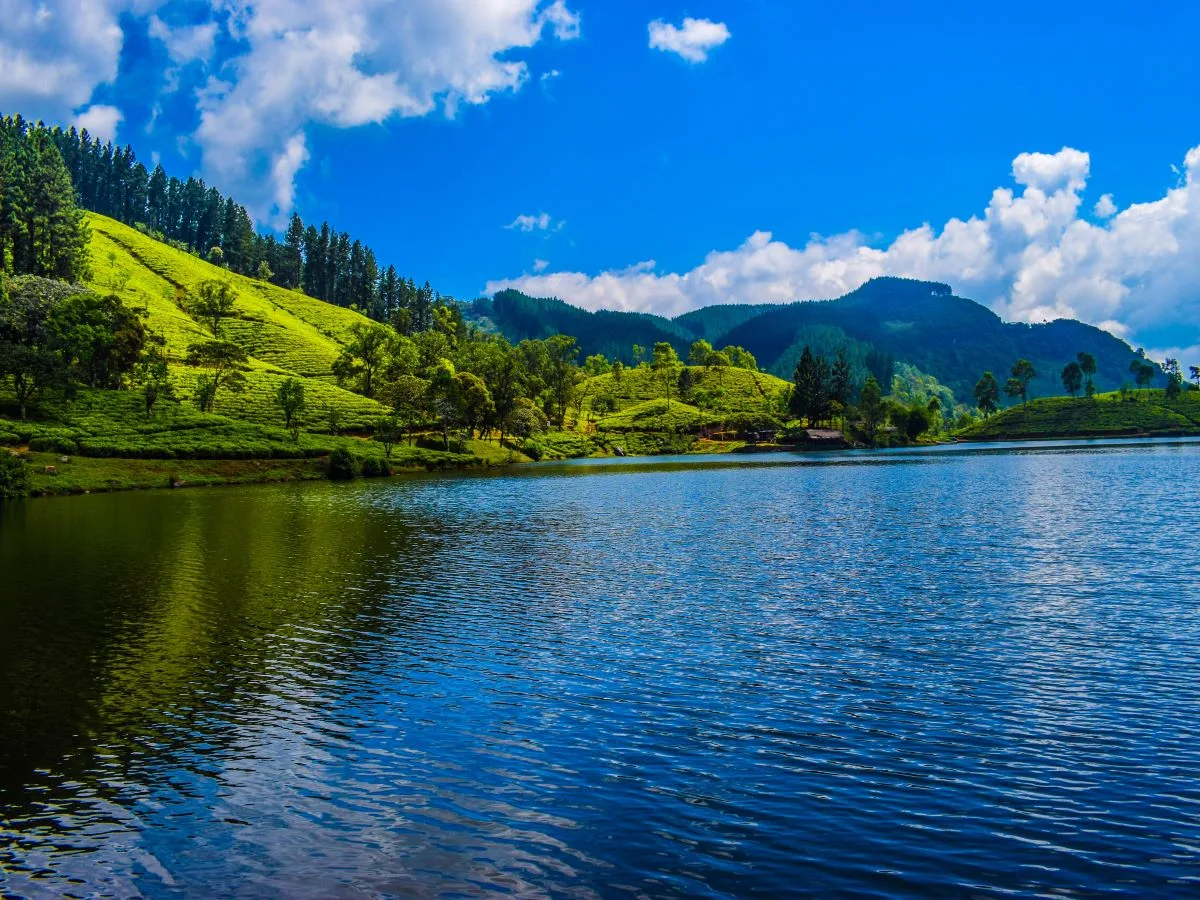
At the center of this protected ecosystem lies the massive Lunugamvehera Reservoir, created by damming the Kirindi Oya. The reservoir and its catchment basin provide an indispensable water lifeline for resident wildlife throughout the arid dry season, while serving as a crucial feeding and breeding ground for aquatic birds.
Unlike the heavily visited tracks of Yala Block 1, Lunugamvehera offers a quiet, unhurried safari experience where travelers can immerse themselves in raw nature without convoys of competing vehicles. Situated just a short drive from Tissamaharama, it has become a cherished hidden gem for photographers, birdwatchers, and wildlife purists.
Why Visit Lunugamvehera National Park?
- Peaceful, Uncrowded Safaris: Enjoy genuine solitude where your safari jeep is often the only vehicle in sight along the jungle trails.
- Vital Elephant Migration Corridor: An estimated 200 or more Asian elephants regularly move through this protected territory, making sightings of family herds and lone tuskers frequent around the reservoir banks.
- Apex Predators in the Wild: The dense scrub and rocky granite inselbergs shelter healthy populations of Sri Lankan leopards and sloth bears.
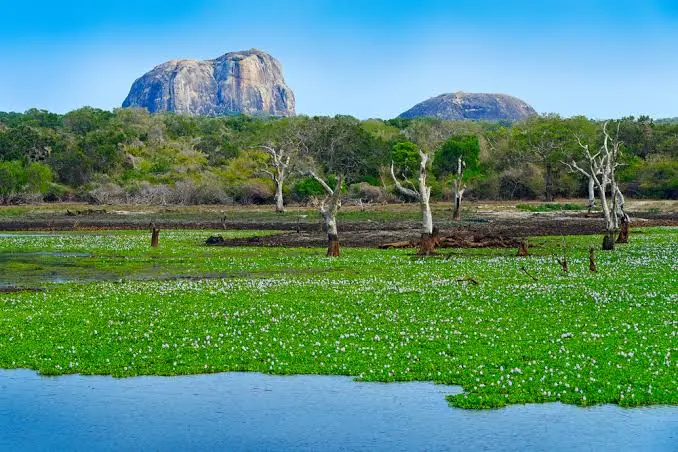
- Vibrant Wetland Avifauna: The expansive reservoir waters, fringed with drowned trees and reedy shallows, attract over 180 species of resident and migratory waterbirds.
- Dramatic Landscapes: The scenery is a striking mosaic of dry mixed evergreen forest, riverine woodland shaded by towering kumbuk trees, open grassy plains, and dramatic rock outcrops rising above the water.
Key Wildlife Encounters on Safari
A game drive through Lunugamvehera offers rich opportunities to encounter iconic dry-zone fauna:
- Asian Elephants: Large breeding herds, protective mothers with young calves, and mature solitary bulls feeding along the water margins and bathing in the Kirindi Oya.
- Big Cats & Carnivores: Sri Lankan leopards frequently hunt along the forest tracks, while sloth bears roam the scrub in search of wild beehives and termitaria.
- Ungulates & Mammals: Extensive herds of spotted deer (chital), sambar, wild boars, water buffaloes, grey langurs, and toque macaques.
- Reptiles & Aquatic Life: Massive mugger crocodiles basking on sandbanks, water monitors patrolling the shallows, and star tortoises grazing on grassy patches.
- Waterbirds & Raptors: Spot-billed pelicans, Asian openbills, painted storks, lesser adjutants, white-bellied sea eagles, grey-headed fish eagles, and crested serpent eagles perching on dead tree skeletons in the lake.
Best Time for a Lunugamvehera Safari
- May to September (Dry Season): The optimum period for game viewing. As temporary water holes dry up across the surrounding forest, elephants, deer, and leopards congregate around the permanent waters of the Lunugamvehera Reservoir.
- November to March (Migratory Bird Season): Following the northeast monsoon rains, the landscape turns lush green, and thousands of migratory waders arrive from the northern hemisphere, making this prime season for birders.
- Safari Hours: Early morning safaris (6:00 AM to 10:00 AM) and late afternoon drives (2:30 PM to 6:00 PM) offer the most active wildlife behavior and golden photographic lighting.
Gateway Towns & How to Get There
- Gateway Base: The historic town of Tissamaharama is the primary hub for safari departures, located roughly 20 kilometers south of the park entrance.
- From Colombo: Approximately 260 km southeast via the Southern Expressway (E01) to Mattala/Hambantota, taking roughly 3.5 to 4 hours.
- From the Hill Country: An easy 2 to 2.5-hour downhill drive from Ella via Wellawaya, making Lunugamvehera a convenient safari stop between the highlands and the southern coast.
- Southern Safari Circuits: Combine Lunugamvehera with the premier big game terrain of Yala National Park and the Ramsar wetland habitats of Bundala National Park for a comprehensive southern wildlife expedition.
Practical Safari Tips
- Safari Vehicle: Hire a dedicated 4WD safari jeep with high ground clearance and an experienced local tracker from Tissamaharama to navigate rugged terrain and river crossings.
- What to Wear: Choose lightweight, breathable clothing in neutral earth tones (khaki, beige, or olive green). Bring a wide-brimmed sun hat, sunglasses, and high-SPF sunscreen.
- Equipment: A pair of binoculars and a camera with a telephoto lens (300mm or higher) are recommended for capturing birdlife across the reservoir.
- Park Etiquette: Respect wildlife by keeping noise to a minimum, staying inside the jeep at all times, and strictly adhering to park guidelines.