Bordering the southern expanse of the Negombo Lagoon, Muthurajawela is the island’s largest saline coastal peat bog and one of its most vital urban bio-reserves. Translating poetically to the “Supreme Field of Pearls” or “Swamp of Royal Treasure,” this sprawling wetland system originated around 5000 BCE and extends across more than 3,000 hectares, linking the Kelani River basin with the tidal waters of the Indian Ocean.
In July 1996, the northern zone of the marsh, encompassing 1,777 hectares, was officially proclaimed a protected wetland sanctuary under the Fauna and Flora Protection Ordinance. Today, Muthurajawela serves as a vital ecological sponge that absorbs monsoon floodwaters, filters coastal runoff, and nurtures a thriving wildlife sanctuary located just minutes away from Negombo and Bandaranaike International Airport.
Avifauna Diversity & Wetland Birding
Birds constitute the primary wildlife highlight within Muthurajawela, with over 102 recorded species utilizing the waterways for feeding and nesting:
- Resident Aquatic Waders: Little cormorants, Indian cormorants, purple herons, grey herons, black-crowned night herons, great egrets, intermediate egrets, and little egrets foraging in reedy shallows.
- Kingfishers & Specialist Feeders: Common kingfishers, white-throated kingfishers, pied kingfishers, and stork-billed kingfishers patrolling mangrove branches.
- Ducks & Rails: Lesser whistling ducks, cotton pygmy geese, purple swamphens, and white-breasted waterhens nesting in dense sedge fringes.
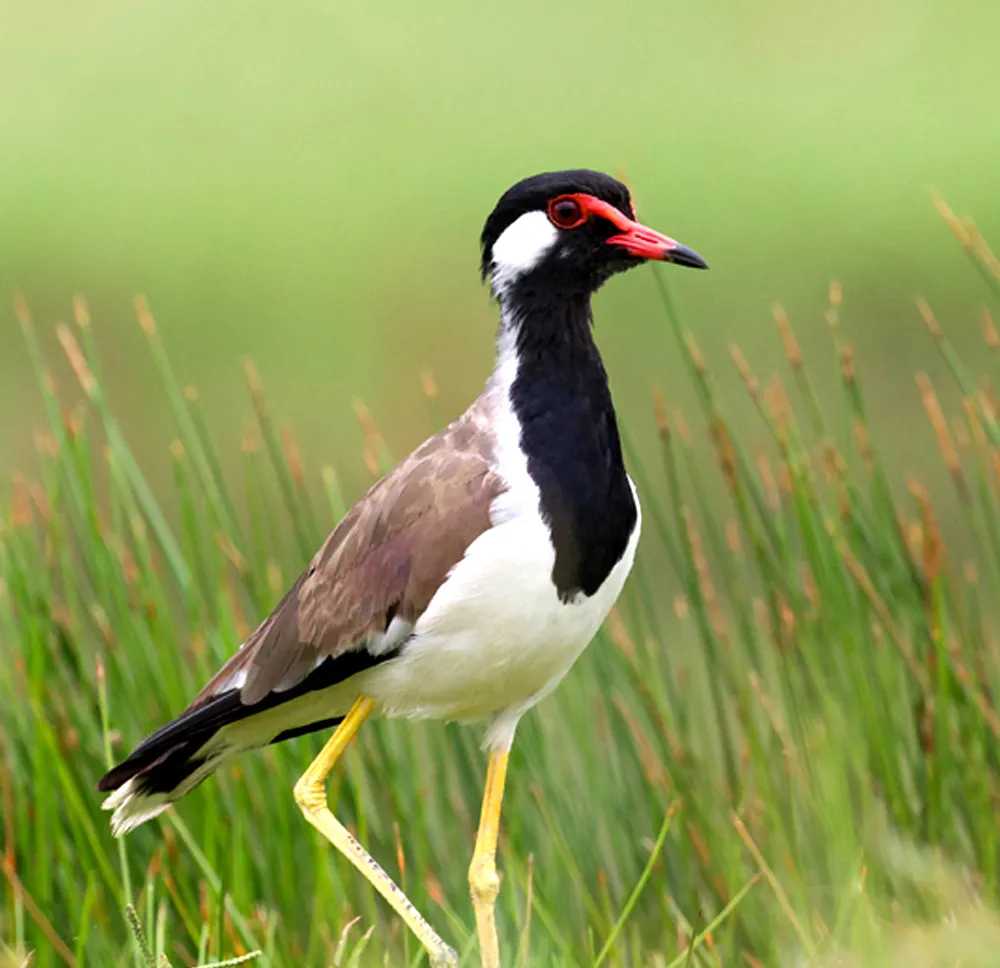
- Migratory Waterfowl: Between October and April, northern migrants such as common sandpipers, whimbrels, plovers, and terns arrive to feed along the brackish tidal flats.
Mangrove Ecology & Wildlife Encounters
Beyond its avifauna, Muthurajawela supports diverse aquatic, reptilian, and mammalian species sustained by 194 distinct plant varieties across seven ecological zones:
- Estuarine Reptiles: Giant water monitors (Varanus salvator) swimming gracefully across channels, land monitors, and resident mugger crocodiles basking on secluded mud banks.
- Mammals of the Marsh: Elusive fishing cats (Prionailurus viverrinus), Eurasian otters, toque macaques, and Indian flying foxes roosting in mangrove canopies.
- Flora & Mangroves: True mangrove and mangrove associate species including Rhizophora, Bruguiera, water lilies (Nymphaea), and rare marsh ferns lining tranquil riverbanks.
Boat Safaris along the Dutch Canal
The best way to experience Muthurajawela is via a slow-paced boat safari departing from the visitor center at Pamunugama:
- Navigating Historical Waterways: Boats cruise along sections of the historic Hamilton Canal (the Dutch Canal), constructed during the colonial era to transport spices and agricultural goods from the interior to coastal seaports.
- Canal to Lagoon Transition: Safari boats glide through narrow mangrove channels where tree branches interlace overhead, before opening out into the broad, picturesque waters of Negombo Lagoon dotted with traditional outrigger catamarans (oruva).
- Photography & Solitude: Electric or low-emission outboard boats allow photographers to approach perched kingfishers, nesting herons, and swimming monitors without causing disturbance.
Practical Visitor Tips
- Best Time of Day: Early morning (6:30 AM to 9:00 AM) and late afternoon (4:00 PM to 6:00 PM) offer the most active bird movements and gentle lighting for photography.
- Safari Duration: Boat tours typically last between 1.5 to 2 hours.
- What to Bring: Lightweight clothing, mosquito repellent, binoculars, sun protection, and a telephoto camera lens.
- Accessibility: Situated just 15 km south of Negombo and 18 km north of Colombo, Muthurajawela is an ideal half-day nature excursion for travelers beginning or concluding their holiday near the international airport.
Nearby Coastal & Wildlife Connections
- Things to Do in Negombo: Explore bustling fish markets, colonial churches, and sunset dining along Negombo Beach.
- Colombo Highlights: Discover urban culture, botanical parks, and colonial architecture in the capital city.
- Kelaniya Temple: Visit the historic riverbank temple linked to the Ramayana tradition just south of the marshland.
- Major Wetland Reserves: Birding enthusiasts can continue south to Bundala National Park or east to Kumana National Park for international-standard wetland safari circuits.