Jump to Section in Guide (15)
Sri Lanka has long been celebrated as the “Spice Island,” with a cultivation and maritime trading heritage that stretches back thousands of years. Sri Lankan spices have continually fascinated both gourmets and historians with their extraordinary aromas, distinct flavor profiles, and therapeutic properties. In this guide, explore the history, cultural importance, culinary applications, and famous spice markets of the island. Contact our travel team to arrange your custom spice and culinary tour.
Sri Lankan Spices: A Brief History
The island’s spice trade has ancient roots shaped by centuries of global maritime commerce. Long before European colonial fleets arrived, merchant ships from India, Persia, Arabia, and China sailed to Sri Lanka’s shores as early as the 6th century BC to trade for cinnamon, cloves, and black pepper.
During the Age of Discovery, control over the island’s lucrative spice trade routes became a coveted prize for European empires. The Portuguese in the 16th century, followed by the Dutch and later the British, established strongholds to monopolize the export of Ceylon cinnamon and other precious spices, leaving an indelible mark on the island’s history, architecture, and cuisine.
Popular Spices in Sri Lankan Cooking
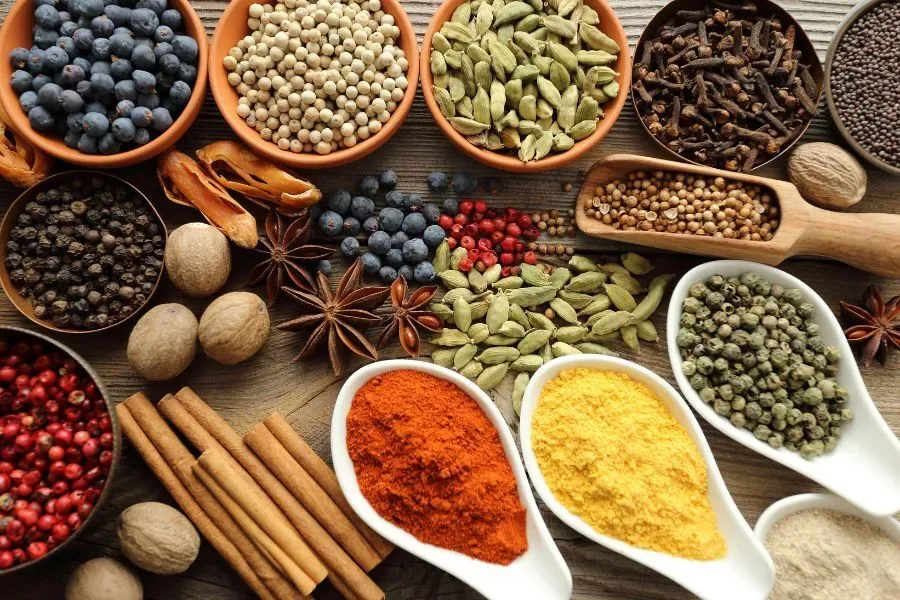
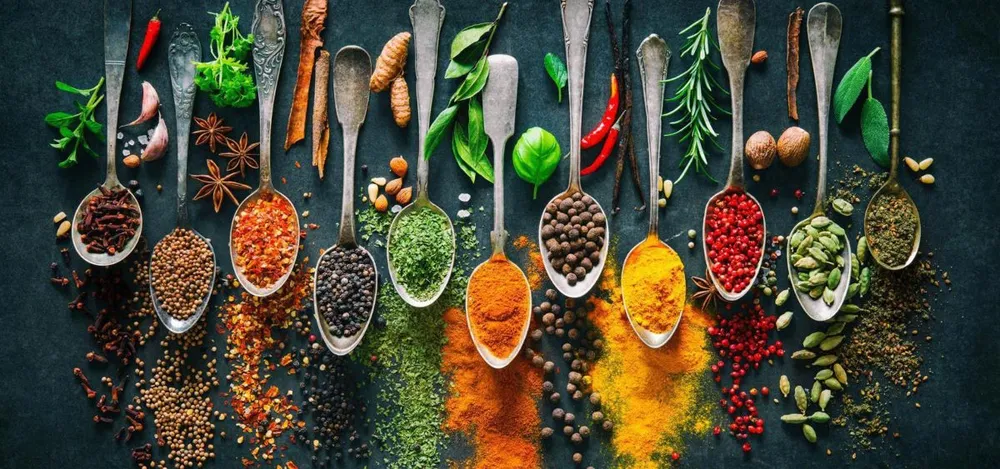
At the heart of authentic local food lies a masterful balance of fragrant, warming, and pungent seasonings. These foundational spices give traditional meals their unforgettable depth and vibrant aroma:
Ceylon Cinnamon
Ceylon cinnamon (Cinnamomum verum), often called “true cinnamon,” is native to the island and widely recognized as the finest in the world. Renowned for its delicate papery quills, subtle sweetness, and faint citrus notes, it differs markedly from pungent cassia bark. In coastal and southern regions like Matara and Galle, visitors can tour traditional cinnamon estates to observe peelers hand-crafting paper-thin quills using ancestral techniques.
Green Cardamom
Known as the “Queen of Spices,” cardamom lends an intense herbal, slightly citrusy fragrance to both savory curries and traditional desserts. Highland spice gardens around Kandy produce high-grade pods prized for their fresh green color and concentrated essential oils.
Cloves
Cloves provide a warming, pungent aroma essential for dark roasted curry powder blends (kalu pol). Clove trees thrive in the southern foothills, where unopened flower buds are hand-picked and sun-dried on burlap mats.
Turmeric
With its earthy undertone and brilliant golden hue, turmeric is indispensable in local cooking and centuries-old Ayurvedic therapies. Spice gardens around Matale introduce travelers to fresh turmeric root cultivation and its recognized anti-inflammatory benefits.
Black Pepper
Indigenous to South Asia, black pepper from the central highlands is celebrated for its high piperine content, delivering sharp, biting heat and complex aromatics to meat and seafood dishes.
Mace and Nutmeg
Both spices originate from the fruit of the Myristica fragrans tree. Nutmeg is the hard inner seed, while mace is the delicate, crimson lacy aril enveloping it. Both contribute a warm, nutty aroma to spiced rice dishes, stews, and traditional holiday confections.
Sustainable Spice Cultivation & Heritage
With growing global appreciation for organic and ethically harvested spices, local growers increasingly prioritize sustainable, eco-friendly agricultural practices. Smallholder family farms across the central foothills maintain traditional forest-garden ecosystems that protect soil vitality, conserve biodiversity, and sustain rural livelihoods.
By preserving ancestral cultivation knowledge and avoiding synthetic chemicals, local communities ensure that the island’s legendary spice heritage thrives for generations to come.
The Role of Spices in Traditional Dishes
The essence of the island’s culinary identity is defined by how spices are toasted, roasted, and blended to elevate fresh ingredients:
Traditional Rice and Curry
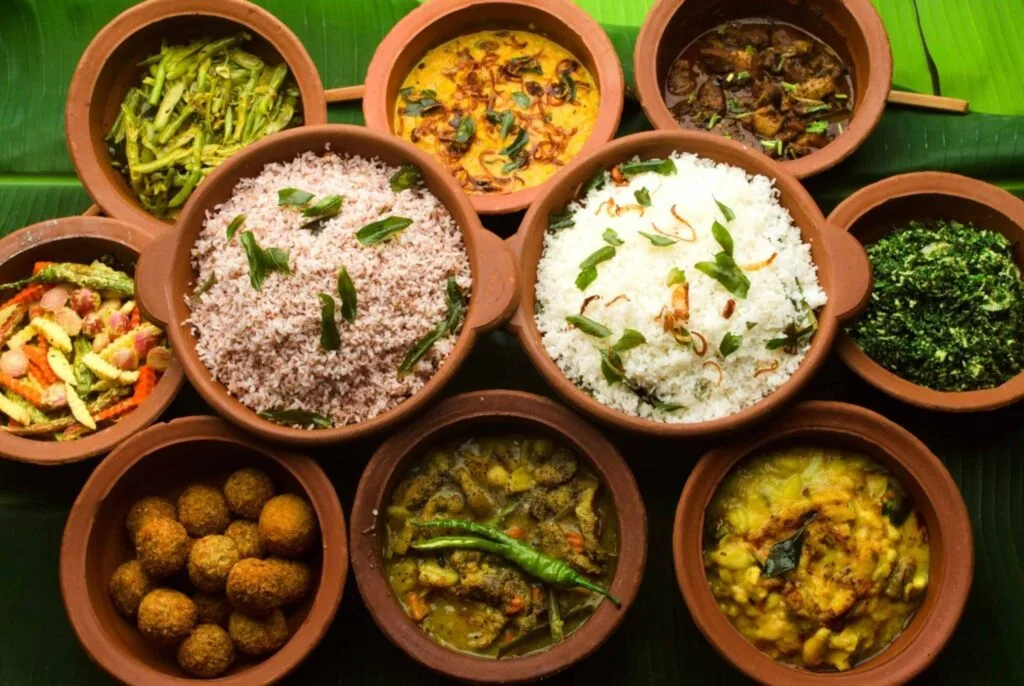
A quintessential daily meal consists of steaming rice accompanied by five to six vibrant curries: from fiery black pepper fish curry to soothing coconut-infused dhal and spiced beetroot curry. Whole cinnamon quills, crushed cardamom pods, and sprigs of fresh curry leaves (karapincha) are bloomed in hot coconut oil to build complex foundational aromas.
Hoppers (Appa)
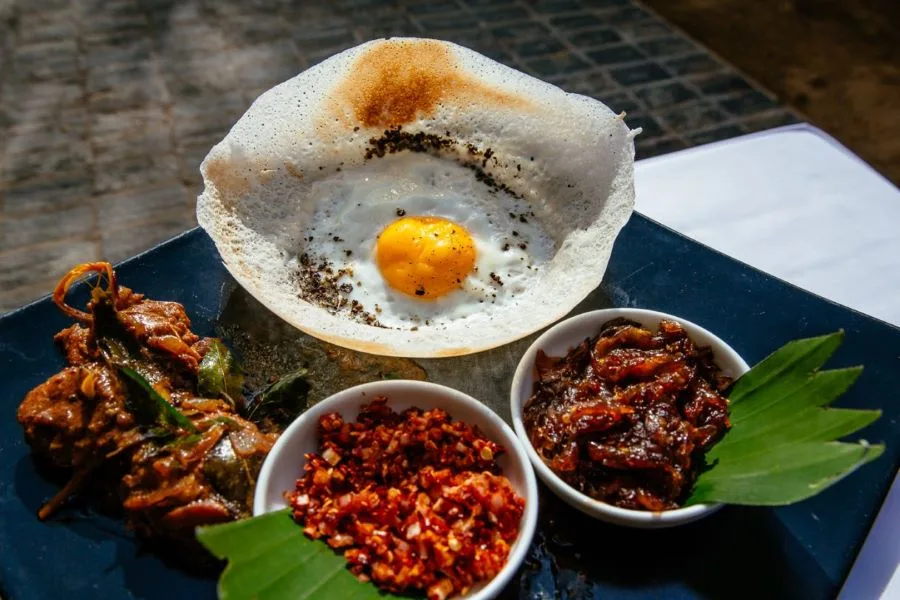
Hoppers are crispy, bowl-shaped fermented rice-flour pancakes with a soft, spongy center. Served with spicy lunu miris (crushed chili and Maldive fish sambol), seeni sambol (caramelized sweet-spicy onion relish), or a farm-fresh egg baked directly into the center, they represent an iconic street food breakfast and dinner favorite.
Sweet Treats and Spiced Beverages
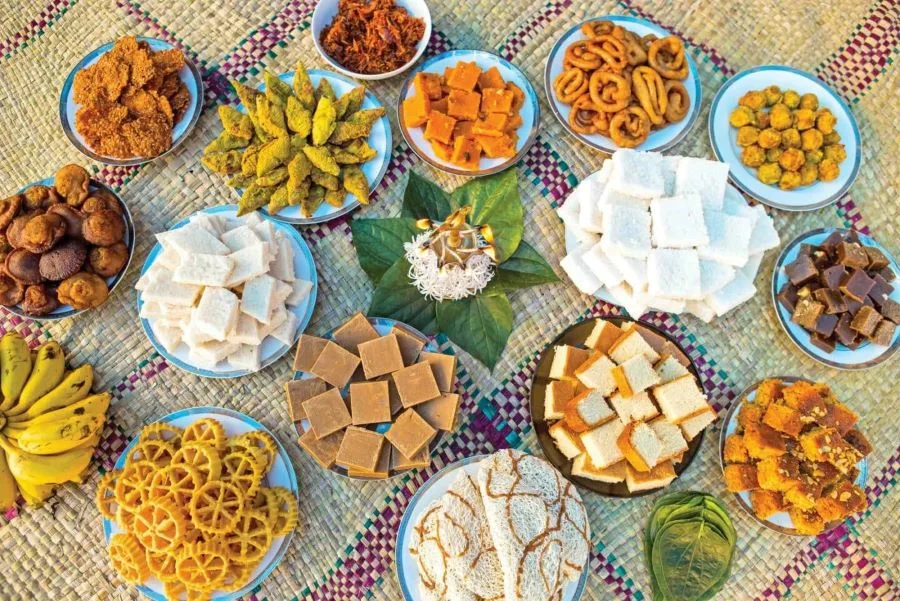
Spices also take center stage in island desserts and drinks. Aromatic cardamom, clove, and cinnamon elevate rich treats like watalappam (steamed coconut jaggery pudding), kavum (oil cakes), and spiced Ceylon black tea brewed hot with ginger and fresh mint.
Visiting Spice Gardens and Local Markets
An exploration of local spice markets is an essential highlight for any traveler. Bustling open-air markets in Colombo and historic bazaars in Galle and Kandy offer an intoxicating sensory experience, with sacks of freshly ground chili, whole nutmegs, and stacks of fragrant Ceylon cinnamon.
Guided visits to working spice gardens in Matale provide a firsthand look at how vanilla vines, pepper creepers, and cardamom plants grow in natural jungle canopies, complete with live cooking demonstrations and herbal tastings.
Experience the Spice Island with Overa Tours
Discovering the flavors, landscapes, and agricultural traditions of the spice country is an unforgettable journey for food enthusiasts. Overa Tours designs tailor-made culinary itineraries, market walking tours, and cooking masterclasses led by expert local chefs.
Contact our travel team today to plan your private spice and culinary adventure!