Jump to Section in Guide (18)
There is a sound that defines Sri Lanka street food, and once you’ve heard it, it follows you home: the rapid, rhythmic clang of two metal blades chopping flatbread on a blazing iron griddle at midnight, the hiss of batter hitting a hot clay pan, and the crack of a perfectly fried lentil cake being split open.
Sri Lanka street food is not just sustenance; it is theatre, ritual, and deeply personal cultural expression, served for a few hundred rupees on a banana leaf by someone whose family perfected the recipe over generations. From the aromatic promenade of Galle Face Green in Colombo to the coastal markets of Jaffna where Tamil fishermen bring in the day’s catch at dawn, street food tells the island’s entire story—spice trade roots, coastal abundance, Tamil and Sinhalese traditions, and colonial heritage—all in one glorious, fiery, coconut-drenched bite.
Grab a fork. Or better yet, eat with your hands. Let’s go.
Why Sri Lanka Street Food Is in a League of Its Own
Before we hit the streets, here’s why Sri Lanka’s street food culture deserves your full, undivided attention:
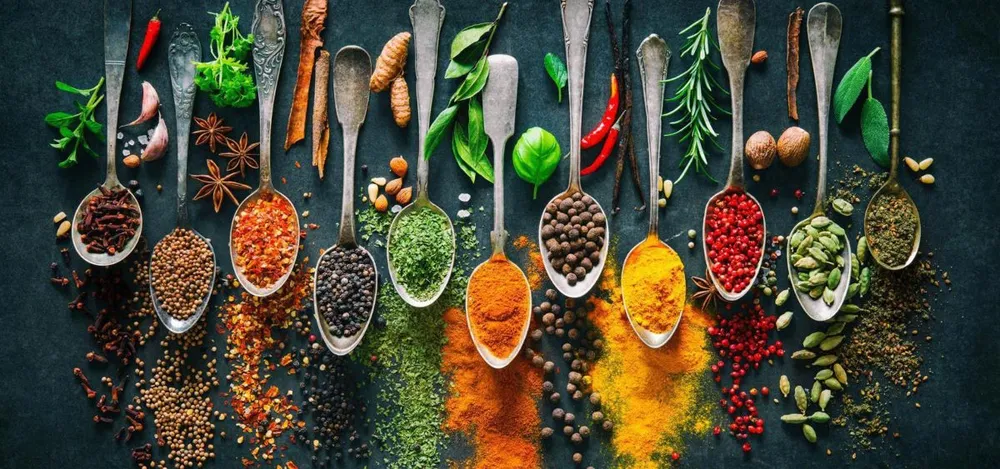
- Unmatched depth of spice: Sri Lanka’s spice trade history (cinnamon, pepper, cardamom, cloves) infuses every street stall with flavors that have been evolving for over 2,000 years.
- Coconut as a way of life: fresh coconut milk, grated coconut, and coconut oil appear in virtually every dish, giving Sri Lankan street food a richness that is entirely its own.
- Ocean-to-table freshness: surrounded by the Indian Ocean on all sides, coastal street stalls work with fish and seafood caught that very morning.
- Banana leaf service: many street meals are served on banana leaves, which subtly perfume the warm rice and curries while remaining completely biodegradable.
- Extraordinary value: a hearty street meal typically costs LKR 300–800 (approximately $1–3 USD), making Sri Lanka one of the world’s greatest culinary value destinations.
- Cultural immersion: nearly half of international travelers cite authentic food and culinary discovery as a top priority when exploring the island.
Sri Lanka Street Food in Colombo: The Capital of Culinary Chaos
Street food in Colombo offers the most diverse and accessible options for visitors. Galle Face Green remains the undisputed focal point, with dozens of vendors serving everything from crispy isso vadai to sweet roasted corn against the backdrop of the Indian Ocean sunset.
Galle Face Green – Colombo’s Most Iconic Street Food Promenade
Every day after 6 PM, seaside stalls light up and the evening air fills with the aroma of fried seafood, caramelizing onions, and pungent spices. This is where Colombo’s soul gathers: families, students, office workers, and travelers all sharing the salty breeze and sizzling street food. Walking the full length of the promenade with a paper cone of warm isso vadai in one hand and a freshly cut king coconut in the other is an essential island ritual.
1. Isso Vadai – Sri Lanka’s Greatest Street Snack
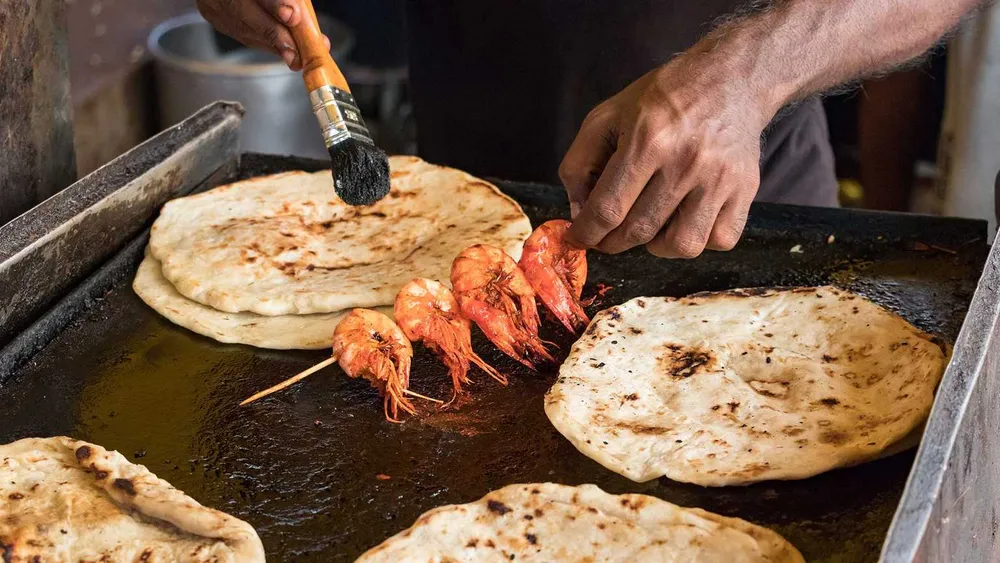
Crispy on the outside, soft and spiced with ginger, curry leaves, and lentils within, isso vadai is topped with whole prawns pressed into the batter before plunging into boiling oil. Some vendors crown theirs with tiny crabs, adding an extra savory crunch. It is, without exaggeration, one of the finest street snacks in Asia for under a dollar.
2. Kottu Roti – The Dish That Defines Sri Lanka Street Food
The king of Sri Lankan street food, kottu roti takes shredded godamba roti and flash-fries it on a smoking iron griddle with vegetables, egg, aromatic meat curry, garlic, ginger, and green chillies. Listen for the syncopated chop-chop tempo echoing through the Pettah markets or Hikkaduwa beach stalls.
Pilawoos in Colombo is the legendary after-dark institution that popularized cheese and roast chicken kottu. Head there late in the evening and join the vibrant crowd.
3. Achcharu – The Addictive Spiced Fruit Pickle
Achcharu is the catch-all name for spiced, pickled fruits like raw mango, pineapple, veralu (wild olives), ambarella, and guava, seasoned with roasted chilli powder, crushed black pepper, salt, and vinegar. The sweet, sour, and fiery balance is intensely addictive.
Sri Lanka Street Food in Kandy: Temple City Tastes
As the cultural heart of Sri Lanka, Kandy is home to the Temple of the Sacred Tooth Relic and peaceful lake vistas. The city’s street food scene reflects its spiritual character—more traditional, slow-simmered, and deeply rooted in highland cooking traditions.
1. Rice & Curry – The Undisputed National Dish
No Sri Lankan culinary journey is complete without a classic rice and curry lunch packet (bath pakaya). Families in Kandy or Anuradhapura routinely prepare four or five vegetable curries alongside dahl, fish, or chicken, wrapped inside a warmed banana leaf. Look for the local lunch spots around Kandy’s Central Market where office workers queue for fresh clay-pot curries.
2. Kiribath – Milk Rice for Celebrations & Every Day
Kiribath is a comforting staple made from rice slow-cooked in thick coconut milk, pressed flat, and cut into diamond-shaped cakes. Served with fiery lunu miris (crushed red onions, dried chillies, lime, and Maldive fish) or sweet kithul jaggery, it is beloved for auspicious milestones and Sunday mornings alike.
3. Watalappan – The Dessert You Didn’t Know You Needed
Watalappan is a steamed coconut custard sweetened with dark kithul jaggery and spiced with fresh cardamom, nutmeg, and cloves, garnished with cashew nuts. Introduced by the island’s Malay community, it has become Sri Lanka’s favorite celebratory dessert.
Sri Lanka Street Food in Galle & the South Coast: Seafood & Sambol
From bustling seaside fish markets in Galle to open-air beachfront cafes, the southern coast is dominated by fresh oceanic flavors and punchy relishes.
1. Fish Ambul Thiyal – The South’s Most Iconic Dish
Firm cubes of tuna or seer fish are coated in a thick black paste of ground goraka (dried garcinia), black pepper, cinnamon, and pandan leaves, then simmered slowly in a clay pot until dry. The goraka imparts a signature sour, smoky tang that naturally preserves the fish—originally designed by southern fishermen for long voyages.
2. Pol Sambol – The Essential Condiment
Made with freshly scraped coconut, crushed red chillies, shallots, lime juice, and cured Maldive fish, pol sambol accompanies nearly every southern meal, from breakfast hoppers to late-night parotas.
3. Mirissa & Unawatuna Beach Stalls: Seafood at Golden Hour
The southern beaches around Mirissa and Unawatuna offer relaxed open-air dining: candlelit tables set directly on the sand, with whole catch-of-the-day fish, jumbo prawns, and calamari grilled over coconut-husk charcoal.
Sri Lanka Street Food in Jaffna: The Fiery, Soulful North
Cuisine in Jaffna is bold, deeply spiced, and distinctly Tamil, characterized by roasted curry powders, palmyrah palm products, and fresh lagoon seafood.
1. Jaffna Crab Curry (Nandu Kari)
The crown jewel of northern cuisine: sweet lagoon crabs broken down and simmered in a clay pot with freshly ground roasted northern curry powder, coconut milk, drumstick leaves (murunga), and a touch of sweetness. Its deep, fiery warmth has travelers traveling the length of the island specifically for a taste.
2. Jaffna Kool (Odiyal Kool)
Jaffna Kool is a hearty, complex seafood chowder made with crab, prawns, cuttlefish, and fish, thickened with odiyal flour (ground from the sun-dried tuber of the palmyrah palm) and balanced with tamarind, long beans, and fiery crushed chillies. Traditionally served in folded banana leaves or coconut shells, it is the soul food of the northern coast.
3. Palmyrah Toddy – The Ancient Refreshment
Extracted from the flowering sap of the palmyrah palm, fresh sweet toddy is mildly sweet and non-alcoholic when collected at dawn. As it naturally ferments during the day, it becomes a crisp, mildly effervescent traditional beverage enjoyed along the northern lagoons.
The Complete Sri Lanka Street Food Tour: City by City
- Colombo: Kottu Roti + Isso Vadai | Best Location: Galle Face Green, Pilawoos, Pettah | Price Range: LKR 100–800
- Kandy: Rice & Curry + Watalappan | Best Location: Central Market, city center | Price Range: LKR 200–500
- Galle: Fish Ambul Thiyal + Egg Hoppers | Best Location: Galle Fort cafes, Fish Market | Price Range: LKR 300–800
- Mirissa: Grilled Seafood Platter | Best Location: Beachside stalls at sunset | Price Range: LKR 500–1,500
- Trincomalee: String Hoppers + Devilled Prawn | Best Location: Beach road street stalls | Price Range: LKR 200–800
- Ella / Hill Country: Fresh Kiribath + Roti Snacks | Best Location: Guesthouse breakfasts, road stalls | Price Range: LKR 150–400
- Jaffna: Jaffna Kool + Blue Crab Curry | Best Location: Market vendors, local eateries | Price Range: LKR 300–3,500
Golden Rules of Street Food in Sri Lanka
- Eat with your right hand: the traditional, tactile way to mix curries and rice for optimal flavor distribution.
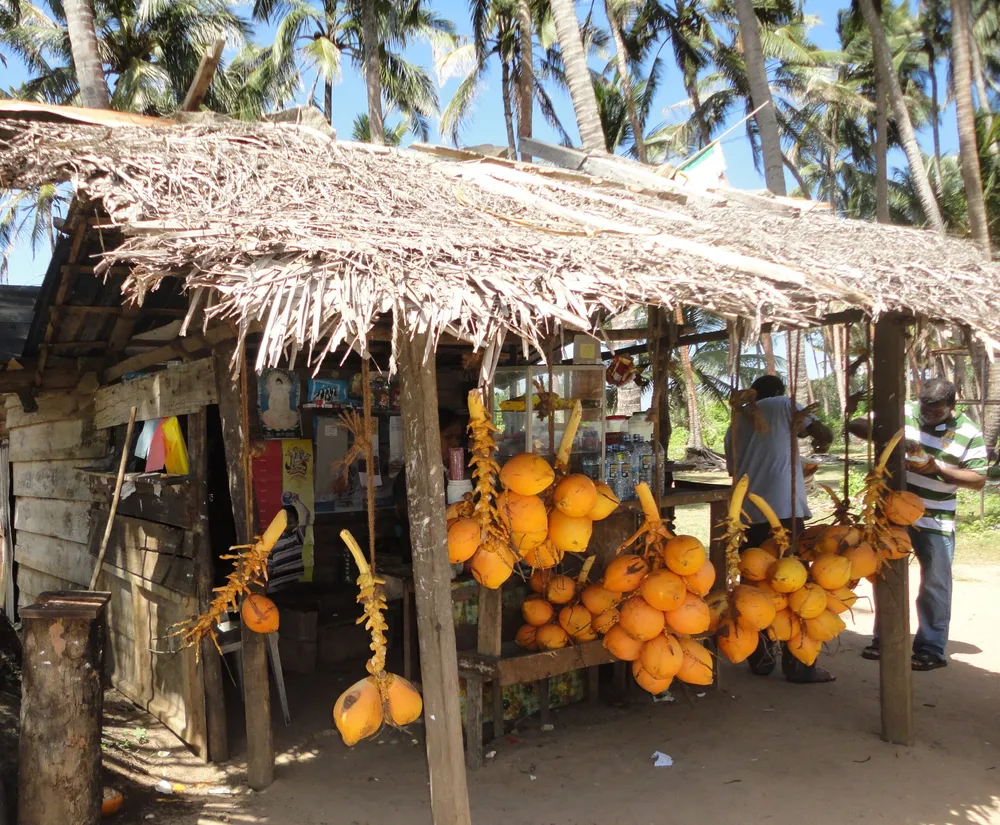
- Always accept a thambili: fresh king coconut water is ubiquitous, delicious, and the island’s premier natural hydration.
- Embrace the spices: start with moderate heat; your palate will quickly adapt to the fragrant roasted chillies and black pepper.
- Follow the crowds: busy stalls with steady turnarounds guarantee the freshest ingredients and hot-off-the-griddle dishes.
- Experience the night markets: street food energy peaks between 7 PM and midnight, especially along city seafronts.
Sri Lanka Street Food Is the Island’s Greatest Story
Every culture tells its story through its food, and Sri Lanka—with 2,000 years of spice maritime trade, Tamil and Sinhalese traditions, and ocean abundance—shares its narrative on every street corner.
From your first warm prawn vadai on the breezy lawns of Galle Face Green to an authentic bowl of crab curry in Jaffna, exploring the island on foot through its street cuisine is one of the most rewarding food adventures in Asia.
Ready to taste your way across the island? Let Overa Tours build your perfect tailor-made culinary journey connecting vibrant street food stalls, fresh fish markets, spice gardens, and boutique stays.