Jump to Section in Guide (11)
Imagine waking up in a hill country homestay, sharing a home-cooked curry with your host family, and learning to weave a coconut-leaf broom before the morning mist clears off the tea bushes. This is the heart of Community Based Tourism in Sri Lanka—a way of traveling that trades crowded checklists for real conversations and shared meals.
From misty mountain hamlets to coastal fishing villages, Community Based Tourism in Sri Lanka is turning everyday village life into an unforgettable journey for curious travelers. If you’re planning a trip that goes beyond beaches and ancient ruins, community-driven travel offers a rare chance to travel with purpose, leaving your footprint behind as a direct benefit rather than a burden.
What Is Community Based Tourism in Sri Lanka?
Community Based Tourism, often shortened to CBT, is a model where local residents—not large hotel chains or outside investors—own, manage, and directly benefit from the travel experiences on offer. In practical terms, this means homestays run by village families, guided nature walks led by local naturalists, cooking classes taught by home cooks, and handicraft workshops hosted by traditional artisans.
In Sri Lanka, this approach has grown into a genuine grassroots movement. Rather than tourism revenue flowing solely to large corporate operators, it circulates directly through village households—funding local schools, supporting farming families, and helping preserve living heritage traditions that might otherwise fade. It’s tourism designed around people, not just places.
Why Community Based Tourism in Sri Lanka Is Growing
A few years ago, community-run village experiences were a niche add-on to a typical Sri Lanka itinerary. Today, they are central to how the island connects with mindful travelers. Sri Lanka’s strategic tourism development places a strong emphasis on promoting community-driven initiatives, aiming to distribute economic benefits evenly across rural and underdeveloped regions, while supporting local small and medium enterprises.
This shift is backed by substantial grassroots investment. Projects like community tea villages are opening up highland tea culture to visitors while directly empowering estate families. Meanwhile, international travelers increasingly favor authentic, culturally immersive village experiences over standardized resort stays, giving Sri Lanka’s coastal communities and highland hamlets a prime opportunity to showcase their authentic hospitality.
Travelers are discovering that community-based tourism has also flourished across Sri Lanka’s northern and eastern provinces, where families welcome guests into their homes for traditional culinary workshops and paddy-field walks that directly fund community development projects.
Where to Find Community-Based Tourism Experiences in Sri Lanka
Sri Lanka’s compact geography means authentic village experiences are never far from classic travel corridors. Here are standout regions to explore:
1. Hiriwadunna and the Dry Zone Villages
Near Sigiriya and Habarana, the village of Hiriwadunna has become one of the island’s most recognized community tourism destinations. Visitors join villagers for a traditional catamaran paddle across a scenic reservoir, stroll past organic vegetable plots, and enjoy a fragrant, home-cooked lunch served on fresh lotus leaves. It’s an authentic glimpse into rural dry-zone life, managed and hosted directly by the community.
2. Meemure: The Untouched Highland Hamlet
Tucked deep in the Knuckles Mountain Range, Meemure is widely regarded as one of Sri Lanka’s most secluded traditional villages. Travelers who make the trek stay in village homestays, enjoy meals prepared over clay hearths, and hear folklore about an agrarian way of life that has endured for centuries. Both Hiriwadunna and Meemure demonstrate how sustainable tourism creates viable livelihoods through homestays, guided nature walks, and locally crafted goods.
3. The Hill Country Tea Villages
Sri Lanka’s emerald tea highlands are home to close-knit communities whose traditions center around the historic estates. Community initiatives here offer hands-on artisanal tea plucking, small-scale factory tours hosted by retired tea masters, and stays with estate families—providing a far more intimate, human connection than conventional resort stays.
4. Northern and Eastern Coastal Communities
In the north and east, coastal fishing and agricultural communities welcome travelers through family homestays, fresh seafood cooking classes, and lagoon canoe tours guided by local fishermen. These encounters are rich in cultural exchange, offering a relaxed and authentic side of Sri Lanka away from commercial resort strips.
What You Can Actually Do – Community Based Tourism Activities
A well-designed community tourism itinerary in Sri Lanka can include:
- Village Homestays: Stay with local families, sharing authentic home-cooked breakfasts, lunches, and dinners.
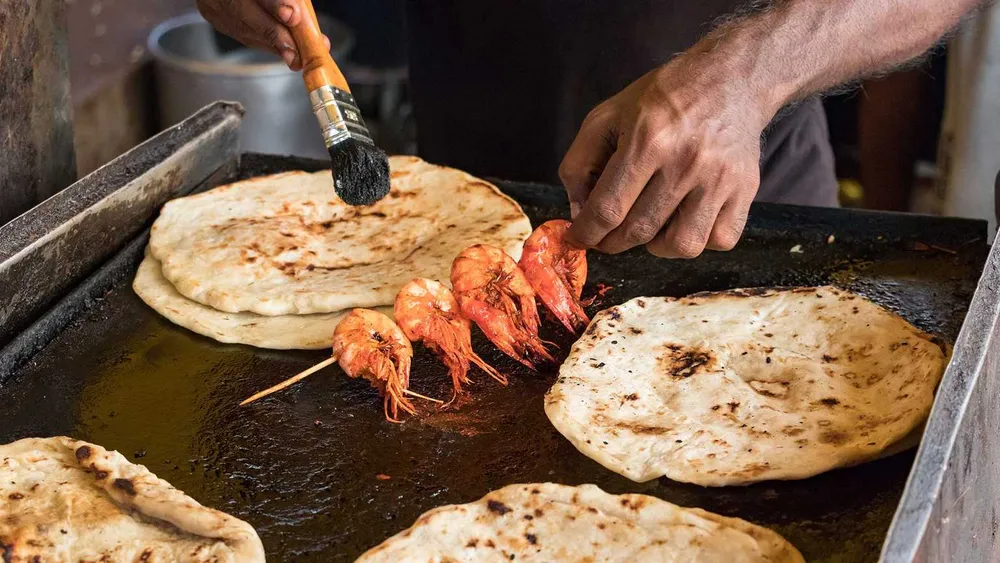
- Hands-On Cooking Classes: Learn the art of balancing spices for Sri Lankan staples like coconut sambol, dhal curry, and hoppers.
- Guided Village Footpath Walks: Explore rural tank bunds, birdwatching trails, and village pathways with resident guides.
- Traditional Craft Workshops: Try your hand at palm-leaf mat weaving, clay pottery, handloom textiles, or batik printing.
- Farming and Paddy Experiences: Learn about ancient dry-zone irrigation systems and participate in seasonal rice farming.
- Lagoon and Coastal Boat Rides: Drift across mangrove lagoons in traditional outriggers alongside local fishermen.
- Cultural Storytelling & Folk Music: Enjoy intimate evening gatherings featuring traditional drums, village folklore, and dance.
Each activity keeps spending directly inside the local village economy, making travel mutually enriching.
The Benefits of Community Based Tourism in Sri Lanka
Choosing Community Based Tourism in Sri Lanka isn’t just a feel-good travel choice; it creates measurable, lasting impact:
- Economic Empowerment: Income from homestays, guiding fees, and artisanal craft sales flows directly to family households, supporting education, healthcare, and home improvements.
- Cultural Preservation: When ancient crafts, folklore, and culinary techniques are celebrated by curious visitors, younger generations are inspired to preserve their heritage.
- Environmental Stewardship: Community tourism models give local residents a direct stake in protecting forests, wildlife corridors, and water reserves that support their livelihoods.
- Authentic Cultural Exchange: Unlike scripted mass-tourism activities, sharing a conversation over tea in a village kitchen fosters genuine understanding between traveler and host.
Tips for Planning Your Community Based Tourism Experience
- Choose Ethical Tour Partners: Work with responsible local operators who maintain transparent, respectful partnerships with host communities.
- Dress Respectfully: Wear modest clothing covering shoulders and knees when visiting rural villages and sacred sites.
- Learn Simple Greetings: A warm Ayubowan (Sinhala) or Vanakkam (Tamil) builds immediate rapport with your hosts.
- Embrace Slow Travel: Village life unfolds at a natural, unhurried pace; set aside ample time to pause and engage.
- Carry Local Cash: Bring smaller denominations of Sri Lankan Rupees (LKR) for direct craft purchases, snacks, and tips.
- Combine Village Encounters with Major Sites: Pair your rural stays with iconic destinations like Sigiriya, Kandy, or scenic rail journeys for a balanced adventure.
Experience Community Based Tourism with Overa Tours
At Overa Tours, we work directly with village families and local cooperatives across Sri Lanka’s dry zone, hill country, and coastal shores to design journeys that go beyond the ordinary tourist route. Whether it’s an eco-stay in Meemure, a culinary morning in a northern fishing village, or tea plucking in the central highlands, we curate experiences that put local people and authentic culture at the center of your adventure.
Ready to experience Community Based Tourism in Sri Lanka? Contact Overa Tours today to start planning a meaningful journey that gives back to the communities you visit.