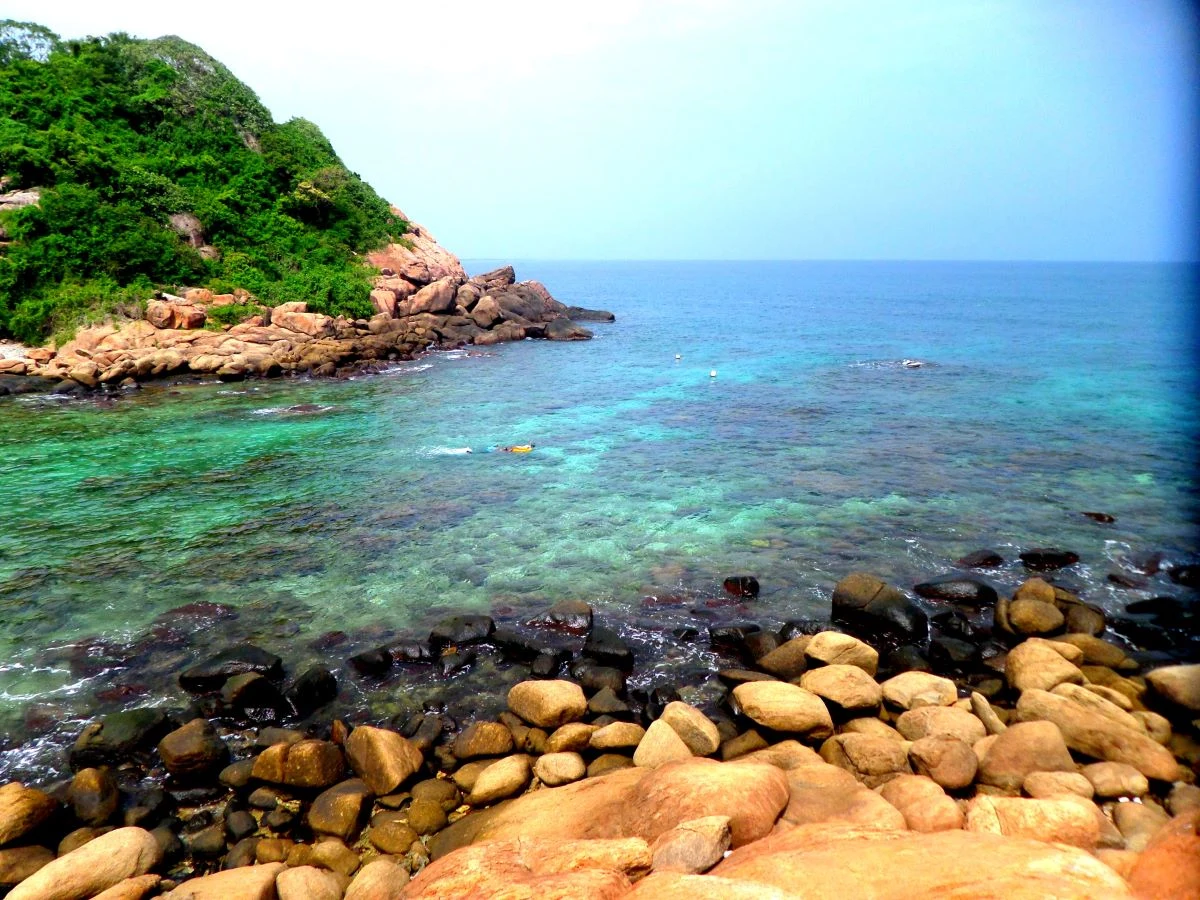
Pigeon Island National Park, situated approximately one kilometer off the pristine shoreline of Nilaveli in Trincomalee, is one of the island’s premier marine sanctuaries. Celebrated for its powder-soft coral sand beaches, crystal-clear turquoise waters, and shallow coral gardens, it is one of only two designated marine national parks in the country, alongside Hikkaduwa Marine National Park in the south.
The park is comprised of two offshore rocky islets: Large Pigeon Island and Small Pigeon Island. The larger island is fringed by an exquisite 200-meter-long coral reef teeming with marine biodiversity, while the smaller islet features rocky outcrops that serve as natural nesting sanctuaries for hundreds of native rock pigeons (Columba livia), giving the islands their historic name. First declared a wildlife sanctuary in 1963, the reserve was elevated to full Marine National Park status in 2003 to safeguard its fragile coral reefs and pelagic habitats.
Snorkeling & Marine Encounters
Pigeon Island is widely regarded as the ultimate snorkeling destination along the East Coast, offering exceptional underwater clarity and calm sea conditions:
- Blacktip Reef Sharks: Harmless juvenile and adult blacktip reef sharks (Carcharhinus melanopterus) regularly patrol the shallow coral ledges and sandy channels, providing exhilarating, safe encounters for snorkelers.
- Endangered Sea Turtles: Hawksbill turtles (Eretmochelys imbricata), green turtles, and olive ridleys frequently graze on seagrass beds and sponges surrounding the reef crest.
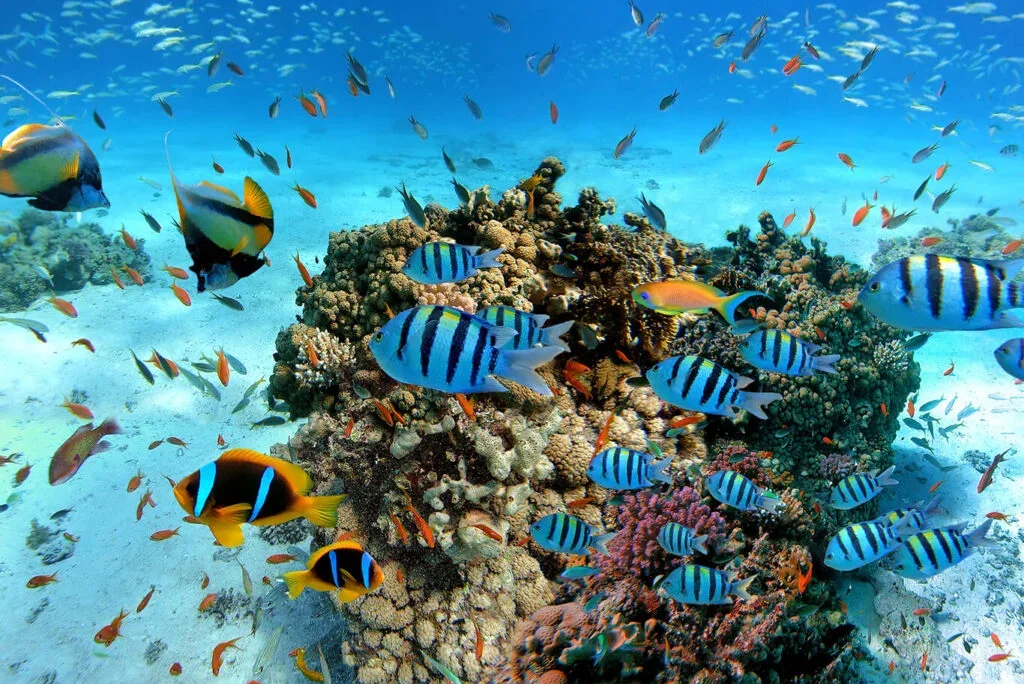
- Vibrant Reef Fish: Over 300 species of reef fish inhabit the shallows, including parrotfish, butterflyfish, angelfish, moray eels, clownfish, damselfish, and giant trevallies.
- Living Coral Gardens: More than 100 species of corals thrive here, with branching staghorn (Acropora) and brain corals creating intricate underwater topographies in depths ranging from 1 to 7 meters.
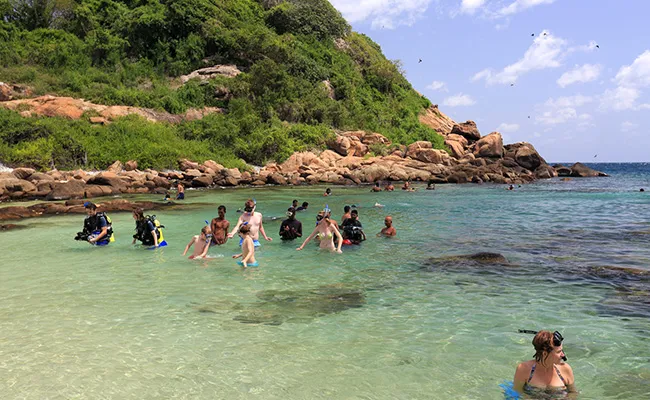
Scuba Diving & Coastal Water Sports
For certified divers seeking deeper adventures, dive operators based along Nilaveli and Uppuveli offer guided boat dives around the outer reef walls:
- Deep Reef Drop-offs: Explore plunging granite boulders, underwater caverns, and offshore pinnacles where barracudas, eagle rays, and reef sharks congregate.
- Speedboat Excursions: Motorized fiberglass boats make the scenic 10 to 15-minute transit from Nilaveli beach across the blue coastal strait.
- Seasonal Whale & Dolphin Watching: Between May and September, boat tours departing from nearby Trincomalee encounter pods of spinner dolphins and migrating blue whales just beyond the outer continental shelf.
Best Time to Visit Pigeon Island
- May to October (Peak Season): The optimum period for visiting Nilaveli and Pigeon Island. The east coast dry season brings calm seas, sunny skies, and pristine underwater visibility (often exceeding 15 to 20 meters).
- November to April (Northeast Monsoon): The northeast monsoon brings choppy seas and reduced underwater visibility. Boat transfers may be suspended during rough sea conditions.
Essential Visitor Information & Guidelines
- Park Hours: Open daily from 7:00 AM to 5:30 PM. Early morning arrivals (8:00 AM to 11:00 AM) are recommended to enjoy calm waters and fewer crowds.
- Tickets & Entry: Official Department of Wildlife Conservation (DWC) permits are purchased at the Nilaveli beach jetty prior to boarding boats.
- Boat Transfers: Authorized local boat operators in Nilaveli provide return transfers and snorkel gear rentals (masks, snorkels, fins, and life jackets).
- Footwear Caution: Wear sturdy water booties or reef sandals when walking along the crushed coral beaches, as sharp coral fragments can cause cuts.
Marine Conservation & Code of Conduct
The living reefs of Pigeon Island are exceptionally fragile. Visitors are urged to practice responsible marine ecotourism:
- Zero Contact: Never step on, stand upon, kick, or touch living coral formations.
- No Harassment: Maintain respectful distances from sea turtles and reef sharks; do not chase or attempt to hold marine animals.
- Reef-Safe Sunscreen: Use mineral-based (non-nano zinc oxide) reef-safe sun protection to prevent chemical bleaching of corals.
- Zero Waste: Ensure no plastic bottles, wrappers, or trash are left on the islands or discarded into the ocean.
Nearby Attractions in Trincomalee
Pigeon Island pairs seamlessly with cultural and coastal highlights across the eastern province:
- Nilaveli Beach & Trincomalee: Relax along kilometers of uncrowded golden sands, coconut groves, and quiet beachside cafes.
- Koneswaram Temple: The clifftop sacred Hindu kovil perched atop Swami Rock inside Fort Frederick.
- Pasikuda Beach: A shallow turquoise lagoon further south along the coast, ideal for tranquil ocean swimming.
- Surfing in Arugam Bay: The world-renowned point break hub situated on the southeastern coast.