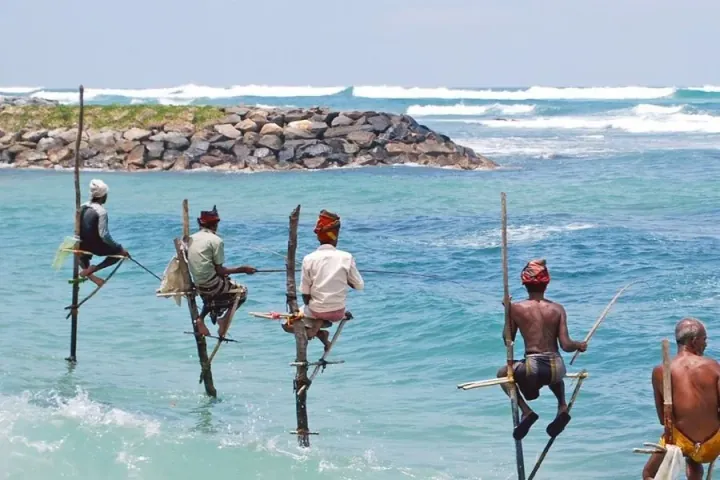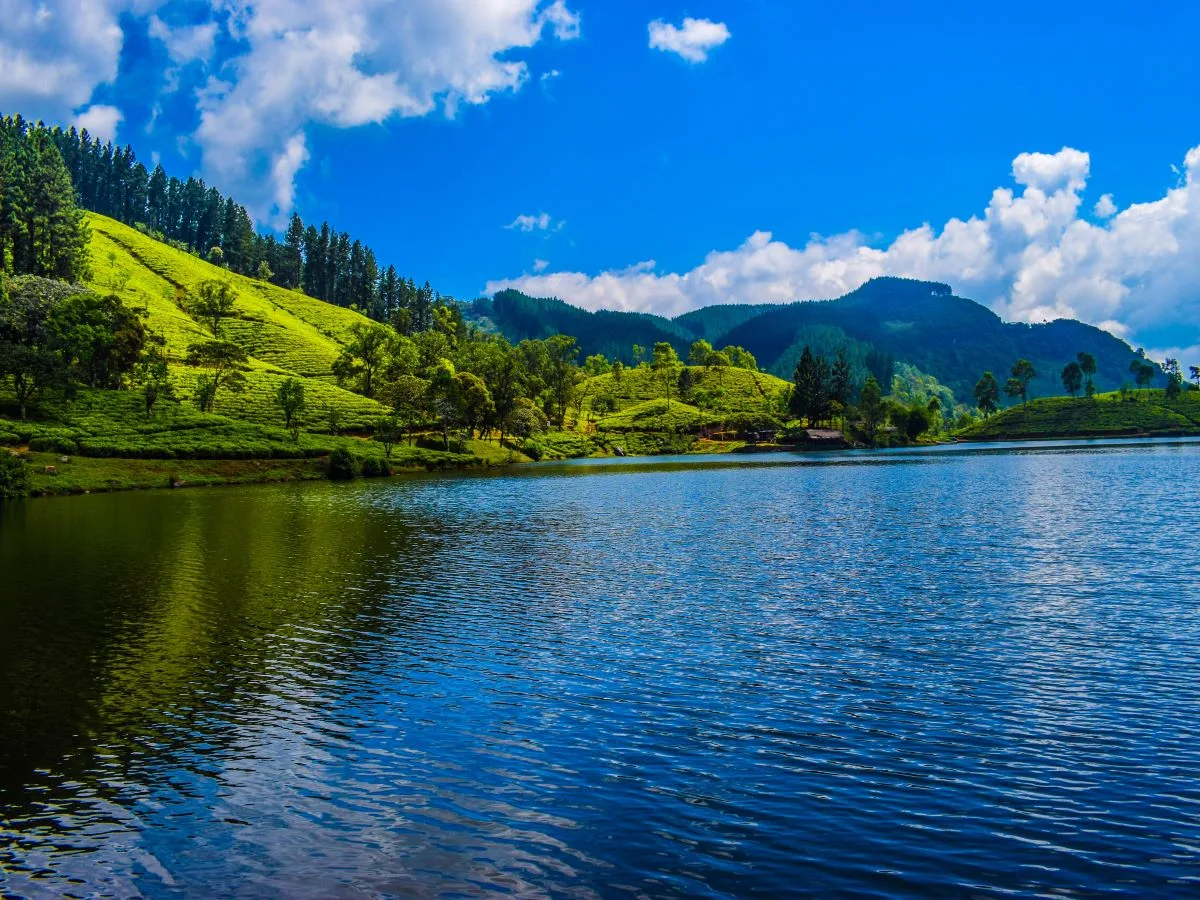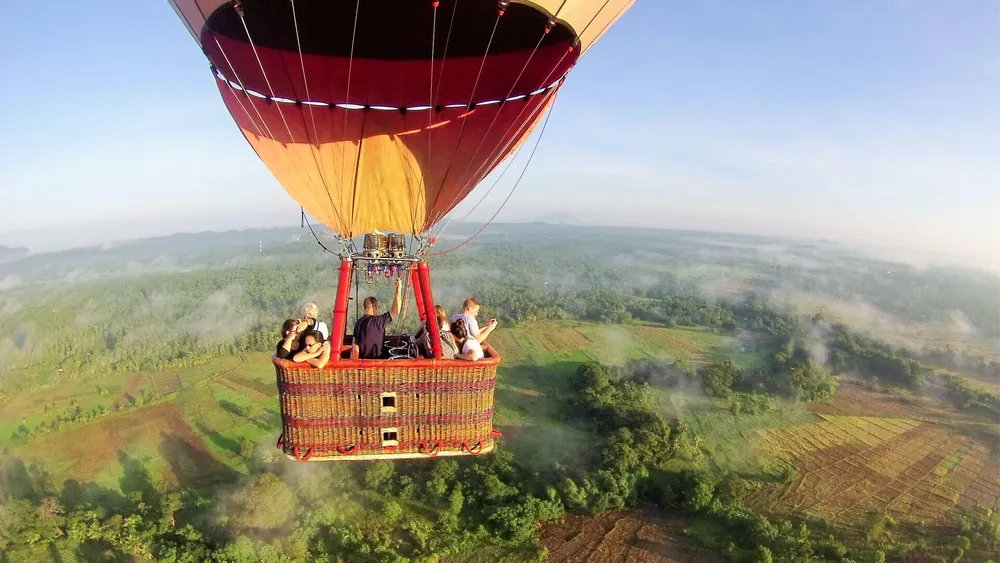
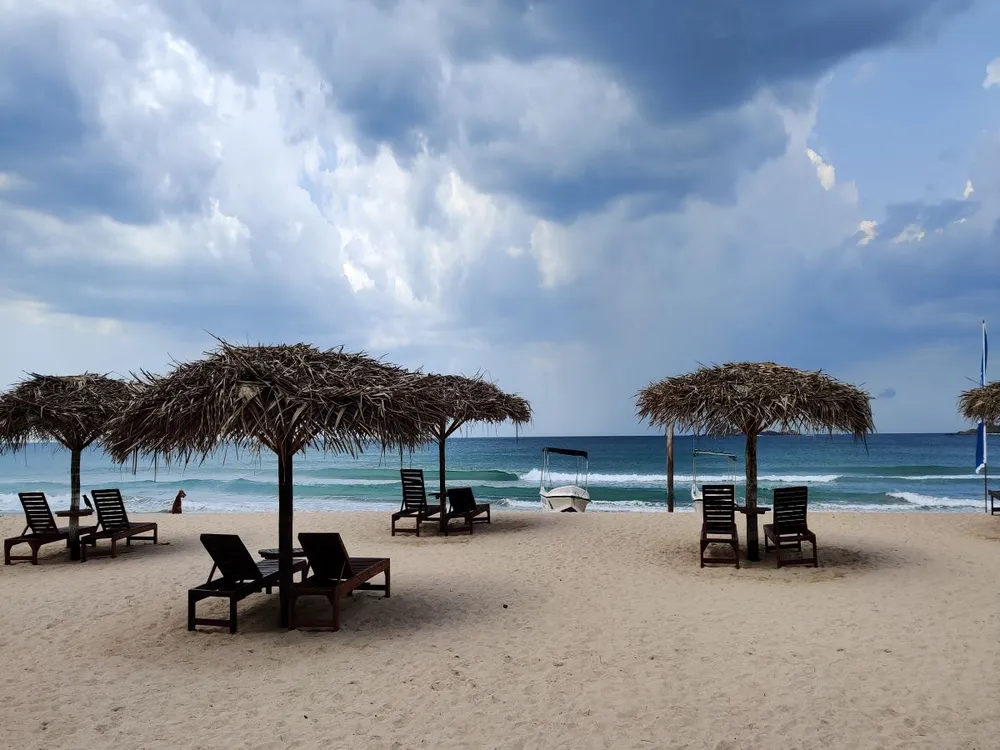
Stretching along hundreds of kilometers of golden shoreline, the East Coast of Sri Lanka is one of the island’s most enchanting travel frontiers. Blessed with talcum-powder sand beaches, tranquil coral lagoons, thriving wildlife sanctuaries, and rich cultural heritage, the eastern seaboard offers an idyllic alternative to the busier south and west. With sunny skies and calm turquoise seas during the European summer months, it has rapidly emerged as a world-class haven for beach lovers, surfers, and wildlife enthusiasts alike.
Why Visit the East Coast of Sri Lanka
While popular tourist hubs like Kandy and Galle showcase the country’s central hills and southern fortresses, the East Coast delivers wide-open coastal horizons and unspoiled authenticity:
- Opposite Monsoon Seasons: When the southwest coast experiences the monsoon from May to September, the East Coast enjoys its dry season, characterized by sunny blue skies, flat calm seas, and warm coastal breezes.
- Uncrowded Shores: Wide stretches of powdery sand offer unhurried seclusion away from tourist crowds.
- World-Class Watersports: From legendary point breaks in Arugam Bay to shallow coral reefs at Pigeon Island, the coast is a prime playground for surfing, diving, and snorkeling.
- Abundant Wildlife: The eastern lowlands encompass pristine national parks where elephants, leopards, and hundreds of migratory bird species roam free.
Best Beaches on the East Coast
The eastern coastline boasts distinct coastal hubs, each offering its own character:
- Pasikudah Beach
- Nilaveli Beach (Trincomalee)
- Arugam Bay
- Marble Beach (Trincomalee)
- Panama Beach
Pasikudah Beach
Renowned for possessing one of the longest shallow reef-protected bays in the world, Pasikudah allows visitors to wade hundreds of meters into waist-deep, crystal-clear water. Fringed by swaying coconut palms and luxury beachfront resorts, it is an ideal retreat for families and travelers seeking peaceful swimming, paddle boarding, and beachside relaxation near Batticaloa.
Nilaveli Beach
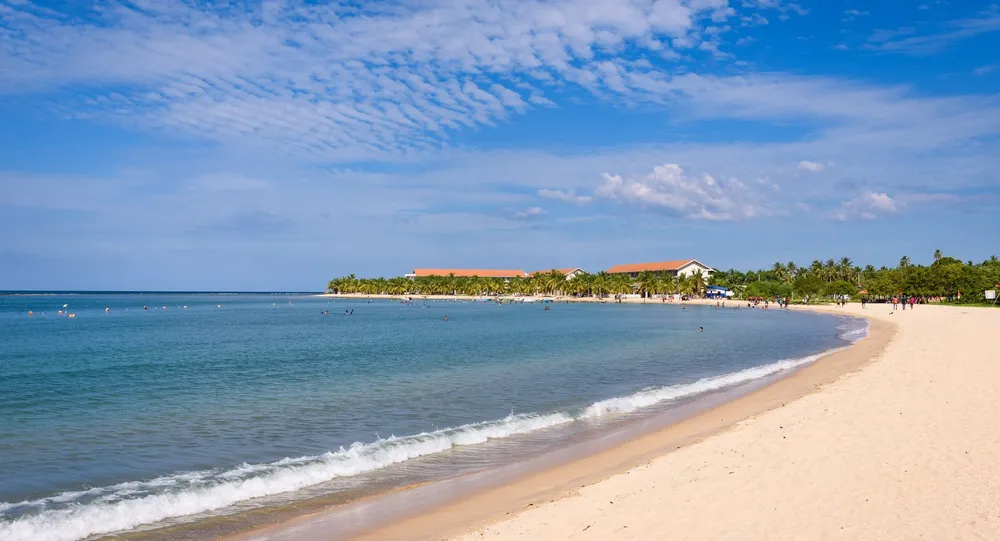
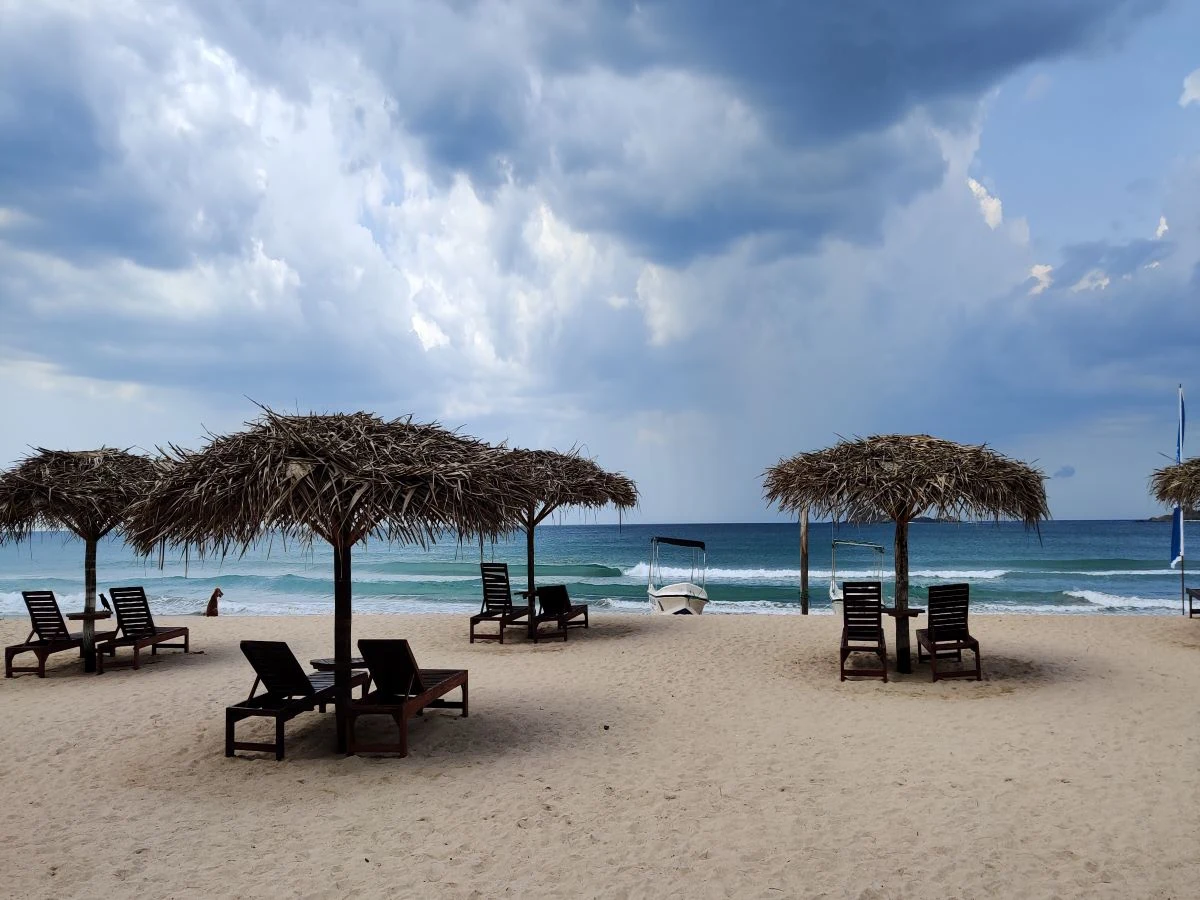
Located just north of Trincomalee, Nilaveli is celebrated for its wide expanses of soft golden sands and calm turquoise surf. Less developed than southern resort strips, it provides a tranquil atmosphere and serves as the primary boat launching point for snorkeling excursions to Pigeon Island.
Arugam Bay
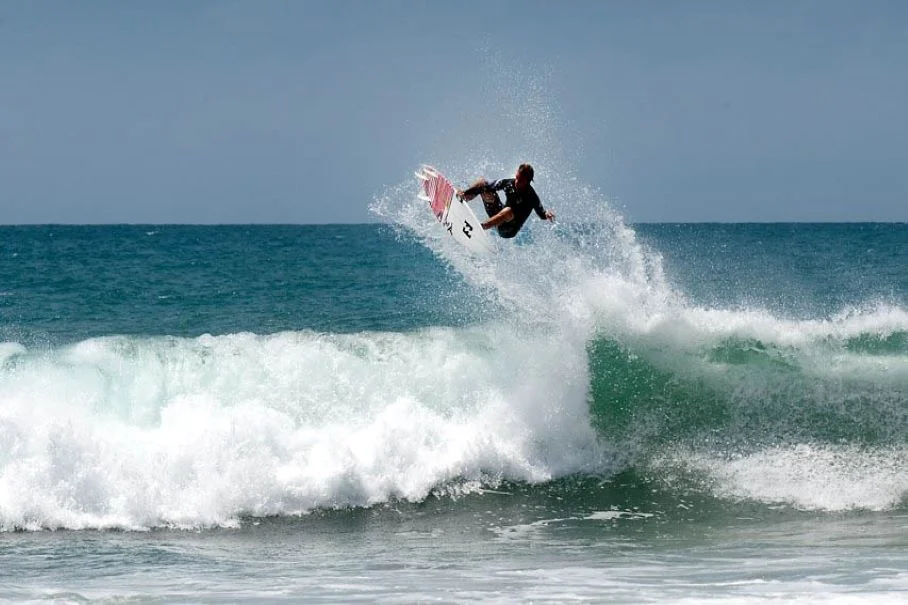
A sweeping crescent-shaped bay on the southeastern coast, Arugam Bay is world-famous as one of Asia’s finest right-hand point break destinations. Between May and September, traveling surfers from across the globe gather here to ride consistent ocean swells. Beyond surfing, the village features a vibrant scene of open-air cafes, yoga studios, and laid-back beach cabanas.
Main Attractions and Cultural Heritage
Beyond its coastline, the East Coast is steeped in ancient maritime history, colonial strongholds, and diverse spiritual landmarks:
- Fort Frederick and Batticaloa Fort
- Koneswaram Temple
- Kanniya Hot Springs
- Pigeon Island National Park
- Kumana National Park
- Gal Oya National Park
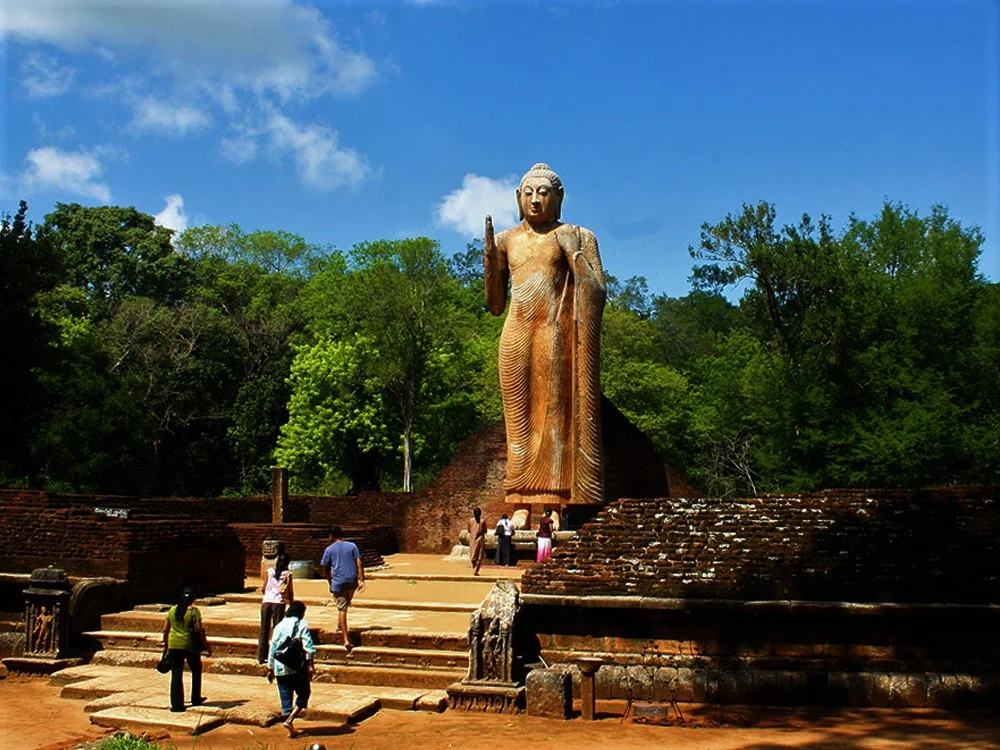
- Maligawila Buddha Statue
Fort Frederick and Batticaloa Fort
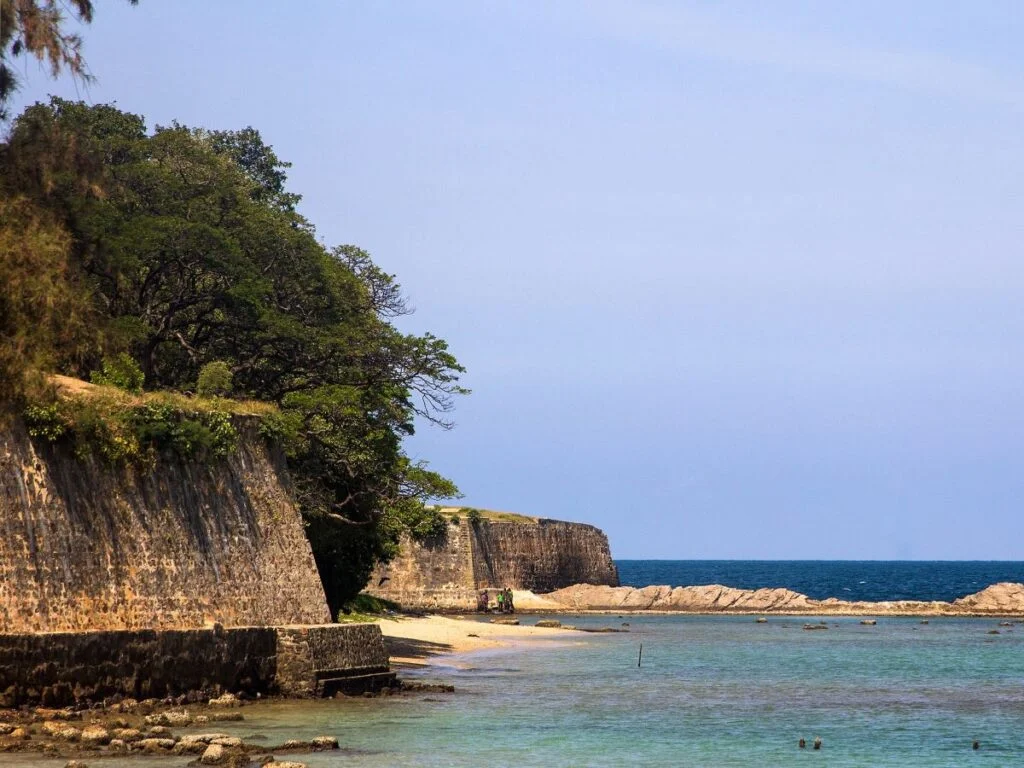
Constructed initially by the Portuguese in the 1620s and later fortified by the Dutch and British, Fort Frederick sits commandingly on the Trincomalee peninsula. Today, spotted deer roam freely among its ancient banyan trees and colonial ramparts, which lead up to Swami Rock. Further south along the Batticaloa Lagoon, the 17th-century Batticaloa Fort features historic cannon bastions and scenic waterfront views.
Koneswaram Temple
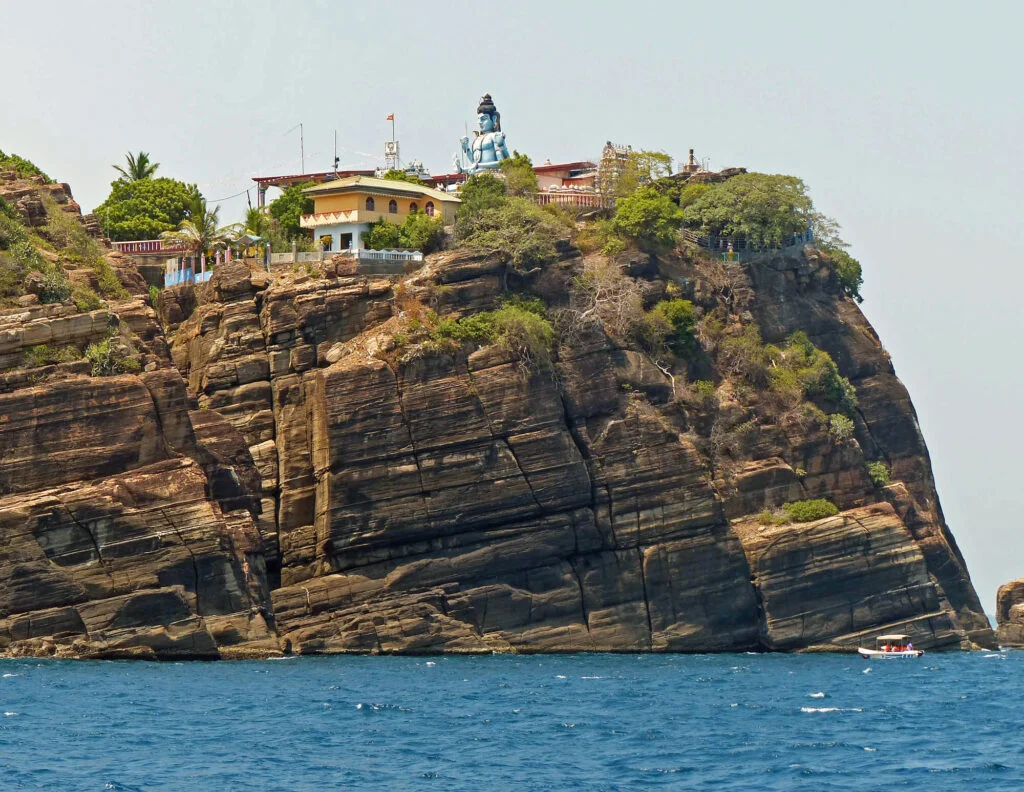
Perched high upon the clifftop of Swami Rock overlooking Trincomalee’s natural harbor, Koneswaram Temple (Thirukonamalai Konesar Kovil) is a celebrated Hindu shrine dedicated to Lord Shiva. Revered for centuries and documented in ancient Tamil poetry, the colorful complex features intricate Dravidian stone carvings, ornate gopurams, and sweeping panoramic views over the Indian Ocean.
Kanniya Hot Springs
Located near Trincomalee, Kanniya features seven square stone wells, each naturally delivering warm thermal water of slightly varying temperatures (averaging around 42°C). Deeply woven into local folklore and the Ramayana legend, these sacred wells have long been used for ritual bathing and therapeutic healing.
Pigeon Island National Park
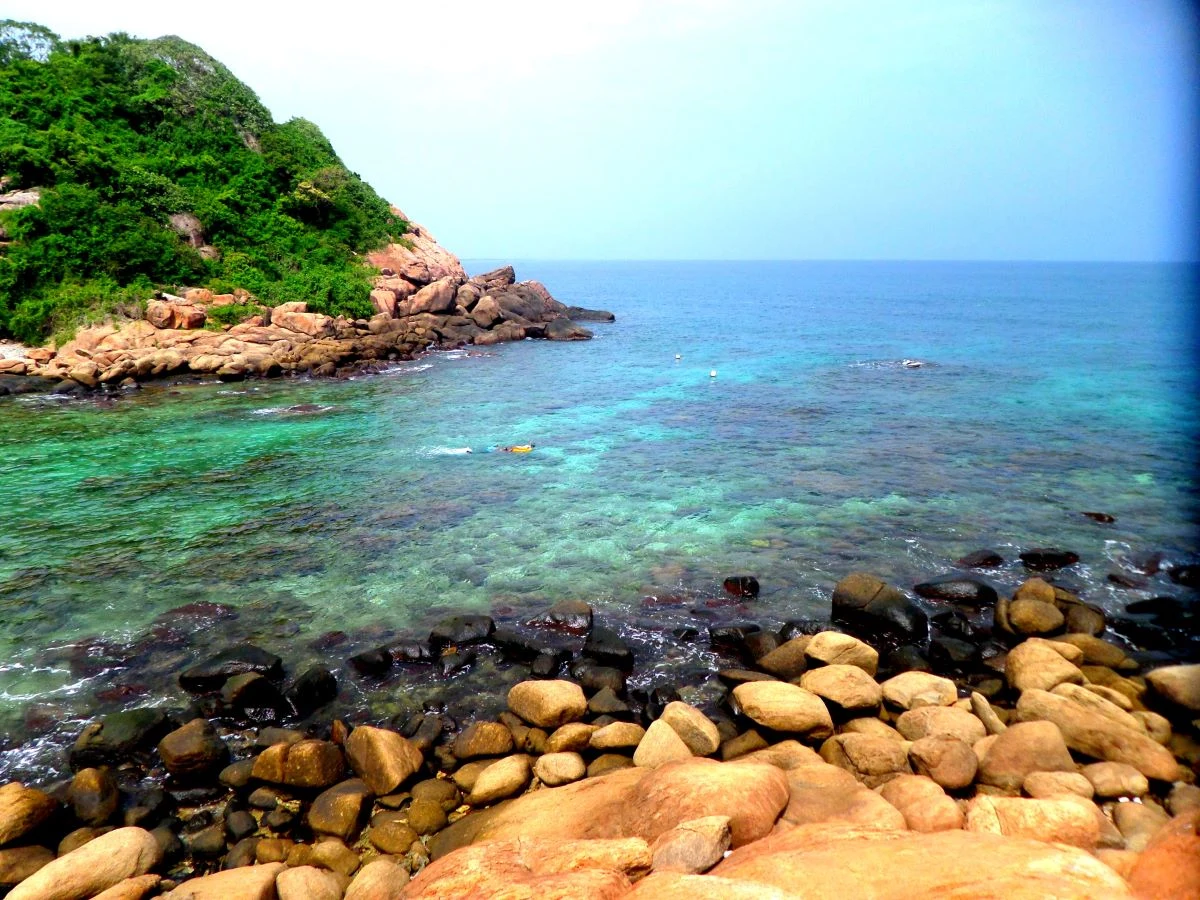
Situated just one kilometer off the shores of Nilaveli, Pigeon Island National Park is one of the island’s premier marine reserves. Its shallow coral reef gardens host hundreds of tropical reef fish species, juvenile blacktip reef sharks, and sea turtles, making it a must-visit destination for snorkeling and scuba diving.
Kumana National Park
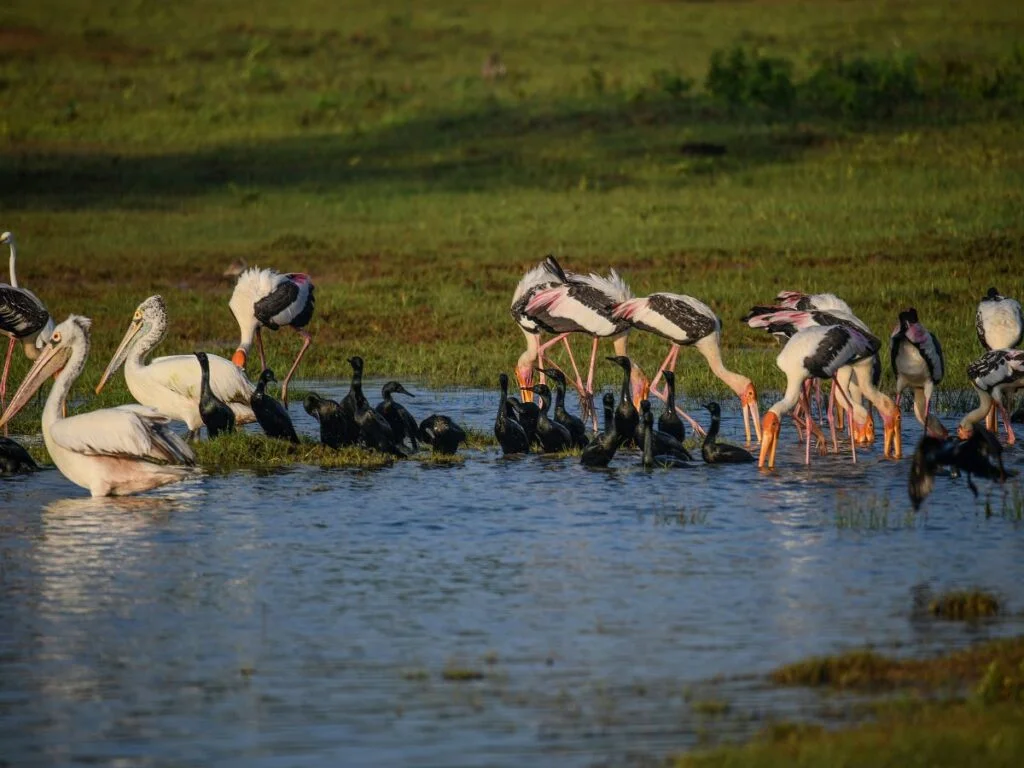
Bordering Yala’s eastern boundary, Kumana National Park is renowned as one of the country’s most vital bird sanctuaries. The 200-hectare Kumana Villu wetland mangrove swamp attracts thousands of nesting waterbirds between May and July, including painted storks, pelicans, white ibises, and spoonbills. The park is also home to leopards, Asian elephants, and sloth bears on scenic wildlife safaris.
Gal Oya National Park
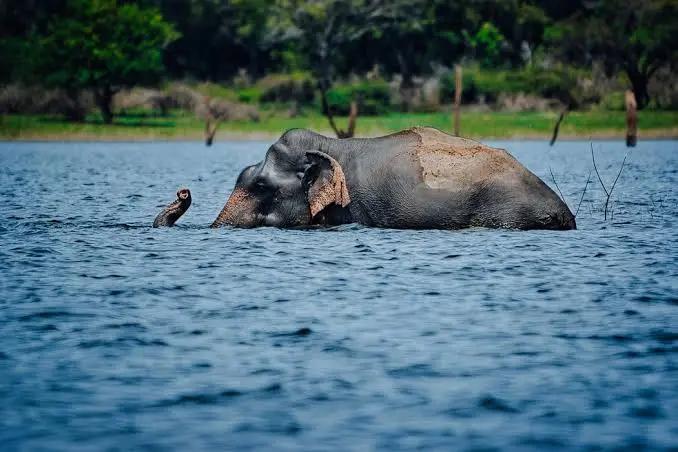
Established in 1954 to safeguard the catchment of the Senanayake Samudraya reservoir, Gal Oya National Park is unique for its immersive boat safaris. Travelers can glide across the island-dotted waters to watch herds of wild elephants swimming between feeding grounds—an encounter found nowhere else in the country.
Maligawila Buddha Statue
Surrounded by dense dry-zone forest in the Monaragala district, the Maligawila archaeological reserve houses a colossal 7th-century standing Buddha statue carved out of a single block of limestone. Standing nearly 11 meters high, this ancient marvel represents a crowning achievement of classical stone craftsmanship.
Top Activities on the East Coast
- Surfing: Explore the top breaks around Arugam Bay—such as Main Point, Whiskey Point, Peanut Farm, and Elephant Rock—part of the premier surf destinations in Sri Lanka.
- Scuba Diving & Snorkeling: Discover pristine shallow coral formations at Pigeon Island and dramatic submerged boulder topographies around Swami Rock and historical shipwrecks off Trincomalee.
- Whale & Dolphin Watching: From May to October, the deep underwater canyon off Trincomalee creates feeding grounds for blue whales, sperm whales, and super-pods of spinner dolphins.
- Lagoon Safaris: Take scenic boat tours through the mangrove channels of Batticaloa Lagoon or Urani Lagoon in Pottuvil to spot water birds, monitor lizards, and wild elephants at dusk.
- Coastal Hiking: Climb Diamond Hill near Trincomalee or Kudumbigala Monastery near Kumana for sweeping 360-degree views across wild forests and the open ocean.
The Cultural Diversity of the East Coast
What distinguishes the East Coast is its multifaceted cultural fabric. Here, centuries-old Tamil Hindu traditions coexist alongside long-standing Moorish Muslim trading communities and historic Sinhala Buddhist heritage. Visitors will notice this unique synthesis in the region’s vibrant temple festivals, architectural landmarks, and distinctive cuisine—from spicy Batticaloa seafood curries and crab feasts to coastal herbal preparations.
Best Time to Visit and Travel Tips
- Peak Season: May through September offers dry weather, warm sunshine, and gentle seas along the entire eastern coastline.
- Getting There: The East Coast is connected to Colombo by scenic train routes to Batticaloa and Trincomalee, well-paved highways suitable for private chauffeur transfers, and domestic scheduled flights landing at China Bay Airport.
- Packing Essentials: Pack lightweight breathable clothing, sunscreen, reef-safe insect repellent, swimwear, and modest temple attire (covering knees and shoulders) for visits to sacred sites.