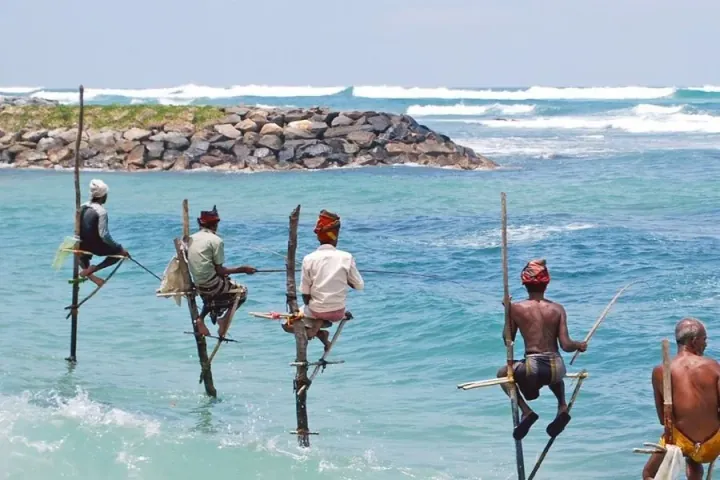
Where golden sandspits curve into turquoise Indian Ocean swells, Arugam Bay stands proudly as the premier right-hand point break capital of Asia, welcoming wave riders to a sun-drenched coastal haven of world-class surf, laid-back village culture, and untamed wildlife.
Nestled along the sun-bleached southeast coastline of the Ampara District, approximately 320 kilometres east of Colombo, Arugam Bay—affectionately known across the global surfing community simply as A-Bay—is internationally renowned for its remarkable cluster of peeling right-hand point breaks. Sheltered within a natural moon-shaped bay just south of the bustling market town of Pottuvil, this former fishing settlement transforms into a vibrant international surf hub between May and September. While the southwest monsoon drenches the southern and western coastlines in seasonal rain, the eastern seaboard basks in cloudless skies, offshore trade winds, and powerful groundswells generated in the Southern Ocean. This geographic blessing makes the island a true year-round surf destination, drawing beginner wave catchers, seasoned longboarders, and high-performance surfers to its warm tropical waters.
The Crown Jewel: Main Point and Baby Point
At the southern headland of the central town beach lies Main Point, the legendary wave that placed the destination on the global surfing map and has hosted international competitions sanctioned by the World Surf League. Breaking over a shallow platform of ancient coral reef and smooth boulders before peeling across a sand-covered seabed, Main Point delivers fast, steep takeoffs and long, workable walls extending anywhere from 150 to over 400 metres into the bay. On solid south and southeast swells measuring four to eight feet, the wave forms hollow inside speed sections and clean barrel opportunities, demanding confident bottom turns and precise board control from intermediate and advanced surfers.
Directly inside the sheltered crook of the bay, the swell energy dissipates into Baby Point, where gentle whitewash and slow, waist-high rollers reform over a soft sandy bottom. With no sharp reef hazards and forgiving wave shapes, Baby Point represents one of the safest and most enjoyable training grounds on the entire eastern coast. Beginners can comfortably master their pop-ups and practice riding their first green waves under the watchful eyes of certified instructors, while traditional single-fin longboarders find endless pleasure in stylish cross-stepping and mellow nose-riding along the gentle inside peelers.
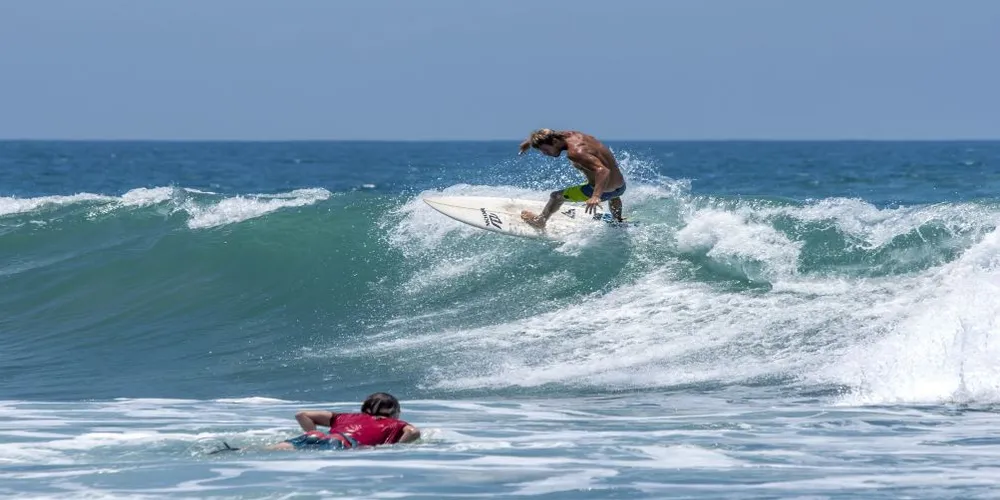
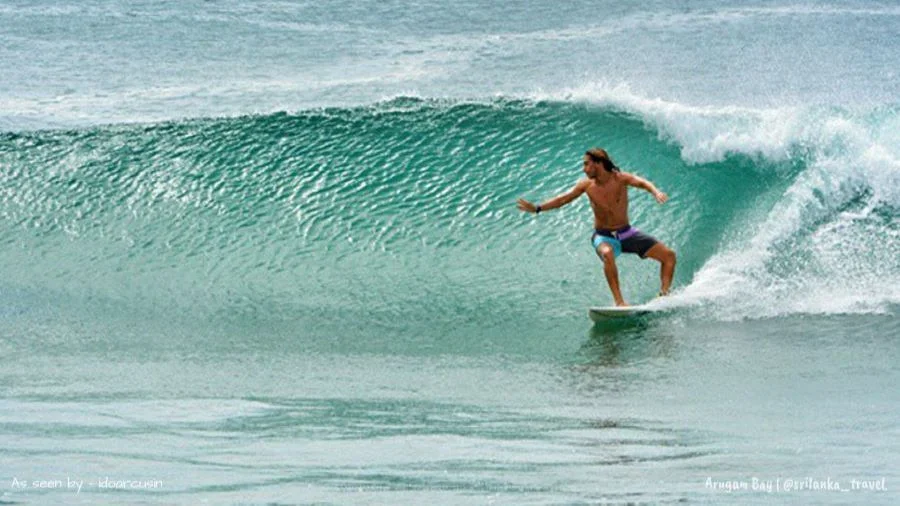 Carving a peeling right-hand wall at Main Point, Arugam Bay’s world-renowned surf break.
Northern Breaks: Whiskey Point, Pottuvil Point, and Lighthouse
Venturing north from the central bay reveals a diverse chain of world-class breaks that capture swell at different angles. Approximately twelve kilometres north, just past the Urani lagoon, lies Whiskey Point, one of the most beloved and consistent beginner-to-intermediate waves in the region. Breaking directly off a dramatic granite rock promontory onto a sand-bottomed beach, Whiskey Point creates a defined, predictable takeoff followed by a soft, shoulder-high peeling right-hander that runs for up to two hundred metres. Its easy paddle-out, absence of hazardous urchins, and picturesque sunrise backdrop make it the go-to dawn patrol destination for surf camps and progressing surfers.
Just around the headland from Whiskey Point is Pottuvil Point, a mythical right-hand point break that sleeps for much of the year but awakens into legendary status when massive mid-season swells roll in. Wrapping around a remote sandy spit flanked by massive coastal boulders, Pottuvil Point produces endless, leg-burning rides stretching from 400 to over 800 metres down the deserted beach. With multiple speed sections and hollow bowling walls that link together on clean offshore mornings, catching a solid day at Pottuvil Point is an unforgettable highlight of any eastern coast surf expedition.
Further north along the remote coastal road to Komari, approximately twenty-five kilometres from town, lies Lighthouse. Named after the historic World War II concrete lighthouse ruins resting on the beach, this secluded outpost features two distinct right-hand peaks that break over sand and scattered boulders. Because Lighthouse is fully exposed to open ocean swells, it frequently catches rideable waves when central spots are small, offering fast, punchy ramps and uncrowded lineups away from the busier holiday crowds.
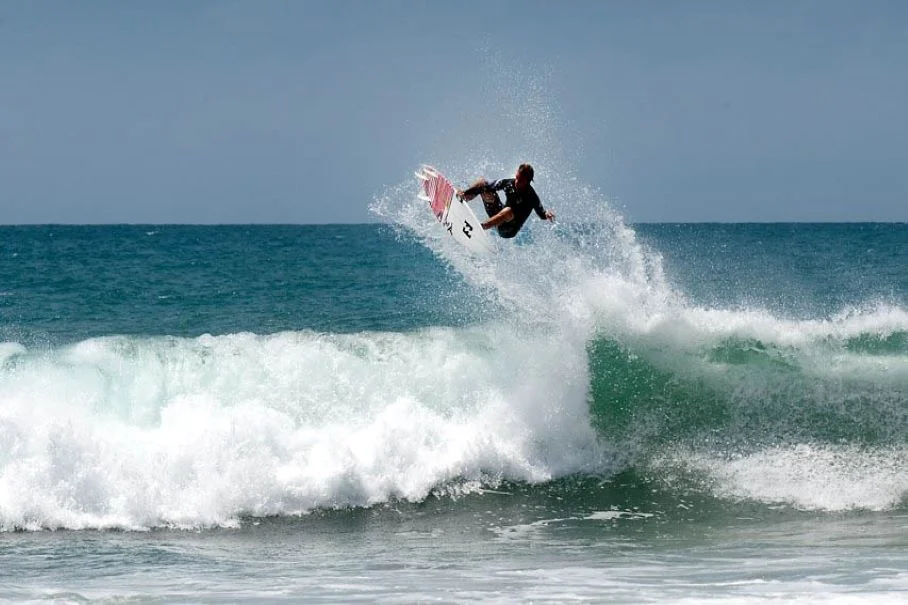 Catching clean morning peelers off the granite outcrop at Whiskey Point, a favorite for progressing surfers.
Southern Wild Breaks: Peanut Farm, Elephant Rock, and Okanda
Heading south from Arugam Bay leads into a rugged wilderness where prime surf breaks blend with untouched coastal lagoons and dramatic rock formations. Located seven kilometres down a dusty sand track, Peanut Farm takes its name from historical agricultural plantations that once operated beside the lagoon. Today, it ranks among the most picturesque surf locations in the country, featuring two distinct breaks: a gentle inside sand break that offers fun, forgiving rides for beginners, and a punchy outside point break peeling tightly past a rocky headland. On low tides with clean offshore winds, the outside section produces fast, hollow tubes that reward adventurous wave riders.
Further down the coast, past sweeping dunes and freshwater wetlands, rises Elephant Rock, also known in surf lore alongside Crocodile Rock. Accessible via a scenic twenty-minute trek across the dunes, the wave breaks along the base of a towering granite monolith, producing peeling right-hand crumblers over a sandy seabed. Beyond the fun, forgiving waves, Elephant Rock is renowned for its wild natural ambiance, where surfers frequently observe wild elephants grazing peacefully along the adjoining lagoon margins during early morning and late afternoon sessions.
The southernmost frontier of the surfing circuit is Okanda, situated twenty-three kilometres south near the entrance to Kumana National Park and the ancient Okanda Murugan Kovil. As the most exposed point break in the entire province, Okanda captures maximum swell energy and can comfortably hold waves exceeding ten feet. The spot features three separate takeoff zones, where fast, hollow right-handers grind across a steep boulder-and-sand shelf. Due to powerful ocean currents, heavy shorebreaks, and remote surroundings, Okanda is strictly recommended for experienced, physically fit surfers seeking raw power and adrenaline.
Seasons, Swell Dynamics, and Wind Conditions
The primary surf season in Arugam Bay runs from May through September, perfectly aligning with the summer months when European, Australian, and global travelers seek tropical escapes. During this peak window, prevailing southwest monsoon winds are blocked by the central mountain highlands, arriving on the east coast as dry, offshore or light cross-shore breezes that groom the waves into glass. Groundswells originating from Antarctic storm systems travel unimpeded across thousands of kilometres of open Indian Ocean, generating consistent surf heights of three to six feet, with larger pulses regularly hitting eight feet at exposed points.
The shoulder months of April and October offer rewarding travel opportunities for those who prefer uncrowded waves. While swell frequency is slightly lower and afternoon thunderstorms can occur as seasons transition, the lineups are significantly quieter, accommodation prices are competitive, and clean morning sessions are frequent. From November through March, the northeast monsoon brings onshore winds, heavier rainfall, and choppy seas to the eastern coast. During this off-season, the country’s surfing community migrates across to the southern coast sanctuaries of Weligama, Mirissa, Hikkaduwa, and Ahangama, ensuring uninterrupted surfing throughout the calendar year.
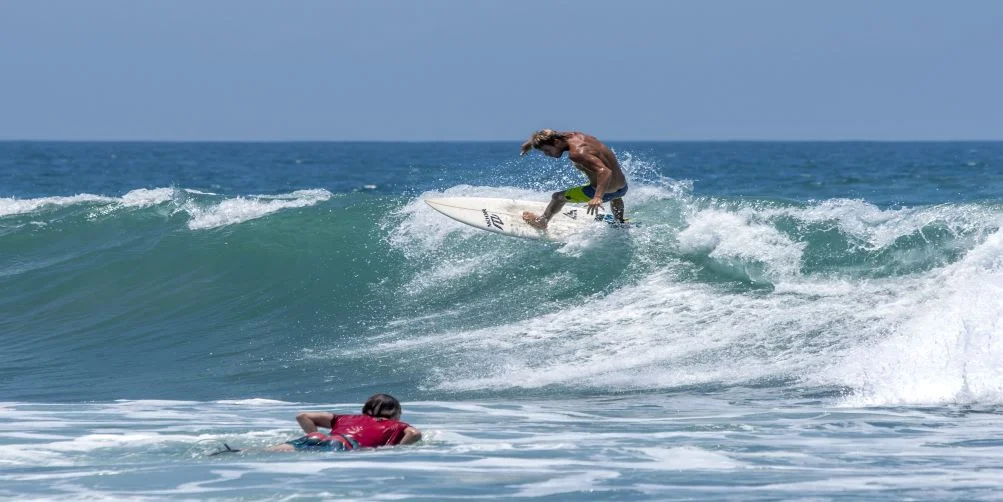 Surfers sharing the swell along Arugam Bay’s sweeping coastline, where Southern Ocean groundswells groom into clean right-handers.
Surf Culture, Schools, Rentals, and Village Life
Arugam Bay has preserved a laid-back, community-centred atmosphere where local fishermen, surf enthusiasts, and international travelers live in harmonious rhythm with the tides. Main Street is lined with surf shops, board repair huts, artisanal bakeries, and open-air yoga shacks. High-quality surf schools staffed by local ISA-certified instructors provide personalized coaching, video analysis, and beginner group lessons that emphasize water safety, surf etiquette, and ocean awareness.
Travelers do not need to transport heavy board bags across continents, as the village boasts an impressive array of board rental facilities. Surf shops carry everything from foamie beginner soft-tops and classic single-fin logs to high-performance thrusters, fish boards, and epoxy quad setups from world-renowned shapers. After sunset, the village comes alive with a barefoot café culture, where travelers gather around beachside tables to share stories over freshly caught grilled yellowfin tuna, spicy coconut curries, tropical fruit smoothies, and relaxed acoustic music under starlit palm canopies.
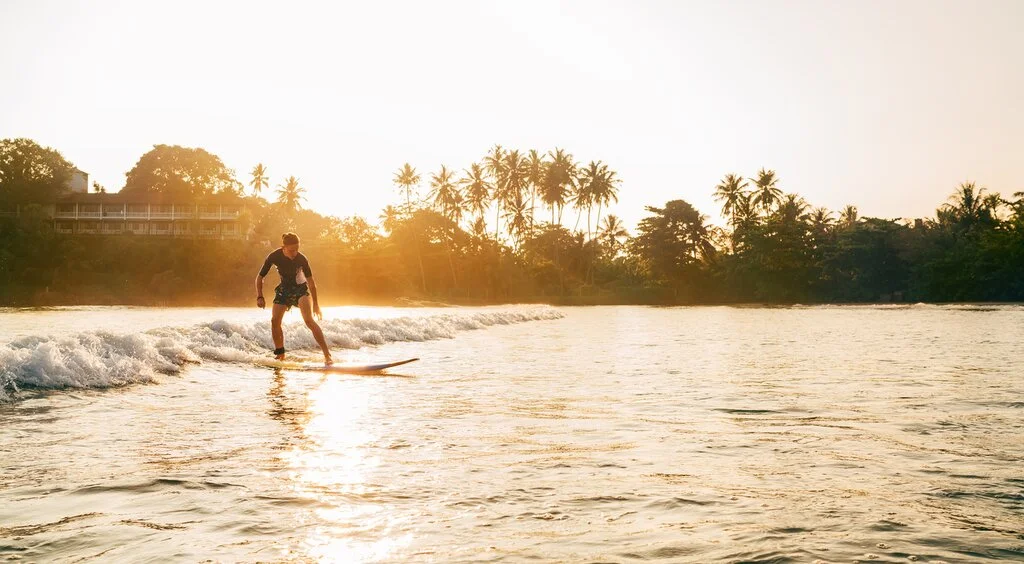 Riding gentle inside rollers along the sandy bay, where surf schools introduce beginners to the joy of wave riding.
Beyond the Waves: Wilderness Safaris and Ancient Hermitages
What truly elevates an Arugam Bay surf journey is its immediate proximity to some of the richest wildlife habitats and archaeological treasures in the Indian Ocean. Just thirty minutes south of the town lies Kumana National Park, famously celebrated as an avian paradise and premier big-game reserve. Exploring Kumana aboard an open-top safari jeep reveals elusive Sri Lankan leopards prowling across granite outcrops, sloth bears foraging beneath palu trees, herds of wild elephants drinking from jungle wewas, and thousands of rare migratory storks, pelicans, and herons nesting in extensive mangrove swamps.
For a serene waterborne encounter, travelers can take an early morning or sunset canoe safari through Pottuvil Lagoon. Gliding silently through tangled mangrove channels in non-motorized wooden craft rowed by local fishermen, visitors can observe mugger crocodiles basking on mud banks, monitor lizards swimming alongside the boat, and majestic sea eagles diving for fish against the backdrop of distant mountains.
Cultural travelers should also make the pilgrimage to Kudumbigala Monastery, an ancient forest hermitage founded in the third century BC by King Devanampiyatissa as a sanctuary for meditating Buddhist monks. Climbing the stone paths through dense jungle leads to the summit of the Belumgala rock promontory, where an ancient cylindrical stupa stands watch over endless miles of untamed canopy, offering a breathtaking 360-degree panorama that encompasses both wilderness lagoons and the shimmering Indian Ocean horizon.
Travel Logistics: Getting to Arugam Bay
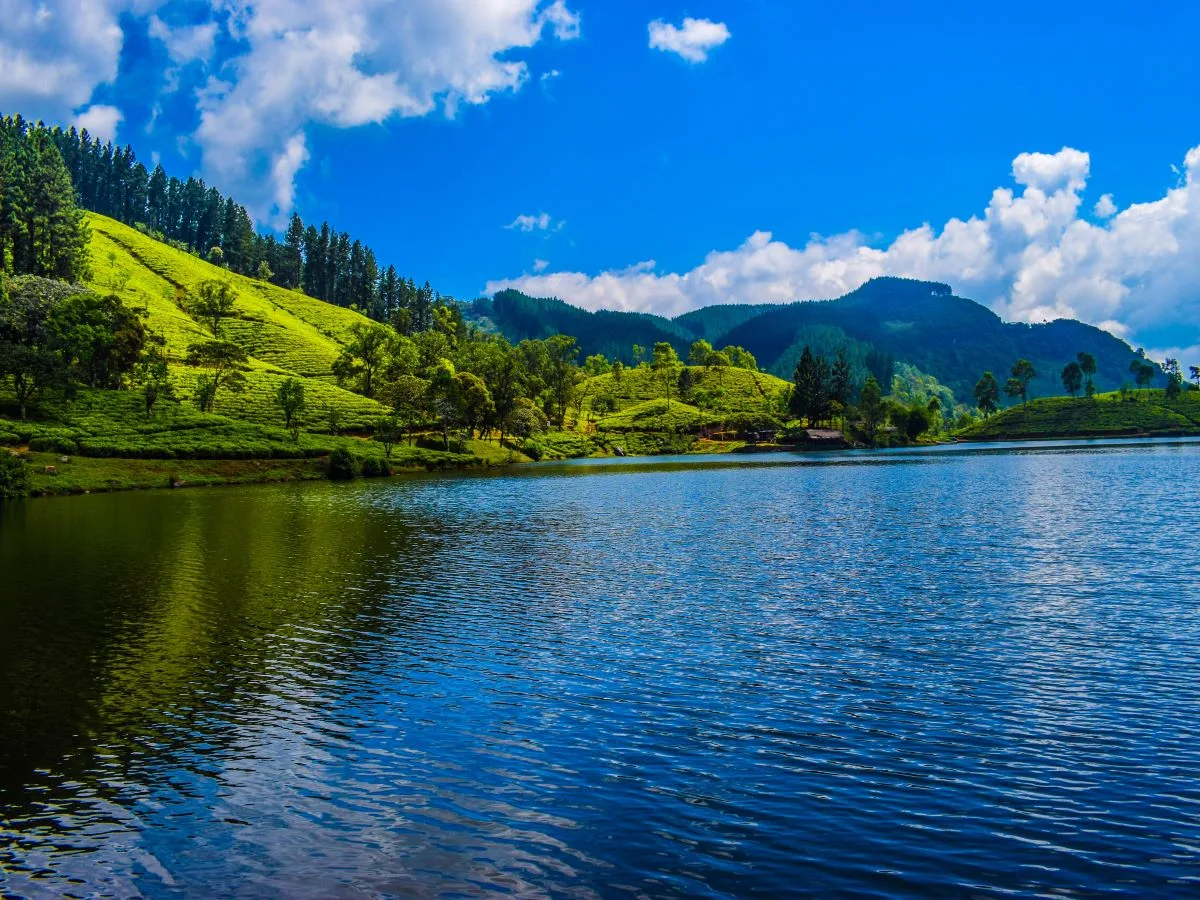
Reaching Arugam Bay is a scenic journey that showcases the dramatic geographic diversity of the island. Traveling by private air-conditioned vehicle from Colombo or Bandaranaike International Airport takes approximately six to seven hours via the Southern Expressway (E01) through Hambantota and Wellawaya, or through the picturesque central foothills of Monaragala. Many travelers choose to break up the long journey by spending a night or two exploring the emerald tea hills and hiking trails of Ella before descending through lush valleys toward the warm eastern plains.
Once in Arugam Bay, getting around is simple and enjoyable. Travelers can rent automatic scooters equipped with side-mounted surfboard racks to explore nearby breaks at their own pace, or hire reliable local three-wheelers whose drivers possess intimate knowledge of swell forecasts, tide charts, and sandy tracks leading to hidden southern points.
Planning Your Arugam Bay Surf Holiday with Overa Tours
Whether your dream surf escape involves catching your very first green wave at Whiskey Point, scoring long peeling right-handers at Main Point, or heading out on a 4x4 safari to spot wild elephants at sunset, Arugam Bay promises an authentic tropical adventure. At Overa Tours, our travel specialists design comprehensive, tailor-made surf packages that feature private airport transfers, curated beachfront boutique hotels and eco-resorts, certified surf instructors, and guided wilderness safaris.
Arugam Bay integrates seamlessly into broader multi-destination holidays, linking the eastern surf coast with the historical highlands of Kandy, the wildlife reserves of Yala National Park, and the southern coastal heritage of Galle Dutch Fort. To start planning your customized surf expedition to Arugam Bay, contact our travel specialists.
Frequently Asked Questions
When is the best time of year to surf in Arugam Bay?
The peak surf season in Arugam Bay runs from May through September. During these months, the southwest monsoon produces dry, sunny weather and offshore winds on the east coast, while consistent Southern Ocean groundswells generate clean waves ranging from three to eight feet. The shoulder months of April and October also offer enjoyable surf with fewer crowds, whereas the off-season from November through March brings rain and onshore conditions from the northeast monsoon.
Is Arugam Bay suitable for beginner surfers?
Yes, Arugam Bay is an excellent destination for beginners despite its reputation for high-performance waves. Spots like Baby Point, located inside the sheltered bay, and Whiskey Point, located just north of town, provide gentle, predictable, sand-bottomed waves that are ideal for surf lessons and first-time wave catchers. The inside section of Peanut Farm also offers a forgiving beach break perfect for practicing pop-ups under the guidance of certified local instructors.
What are the best surf spots for intermediate and advanced surfers?
Intermediate and advanced surfers should head to Main Point for fast, hollow right-hand walls and barrel sections over a mixed reef and sand bottom. Pottuvil Point offers legendary rides up to 800 metres when solid swells arrive, while the outside point at Peanut Farm delivers punchy, bowling sections on lower tides. For powerful, heavy waves in an exposed setting, the three point breaks at Okanda provide steep drops and barrels capable of handling double-overhead swells.
Can I rent surfboards and hire certified instructors in Arugam Bay?
Yes, Arugam Bay has an abundance of surf shops and surf camps along Main Street offering equipment rentals and professional instruction. Rental inventories include high-density foam boards for beginners, classic single-fin longboards, and high-performance shortboards from major shapers. Many local surf instructors hold international ISA certifications and provide private or small-group lessons, video analysis, and guided surf trips to outer points.
How do I travel to Arugam Bay from Colombo?
The most comfortable and reliable way to reach Arugam Bay from Colombo or Bandaranaike International Airport is via private air-conditioned vehicle, which takes approximately six to seven hours via the Southern Expressway and Wellawaya. Travelers can also combine the journey with an overnight stop in Ella to break up the drive. While long-distance buses operate between Colombo and Pottuvil, private transfers are far more convenient, especially when traveling with surfboards and luggage.
What activities are available in Arugam Bay besides surfing?
Beyond surfing, visitors can explore Kumana National Park on a jeep safari to spot leopards, elephants, and rare birdlife, or embark on a peaceful canoe safari through Pottuvil Lagoon to watch crocodiles and water monitors in the mangroves. Climbing Elephant Rock or the ancient forest hermitage of Kudumbigala Monastery provides breathtaking panoramic views, while the village itself offers beachfront yoga classes, cooking workshops, and relaxed seafood dining.