Jump to Section in Guide (9)
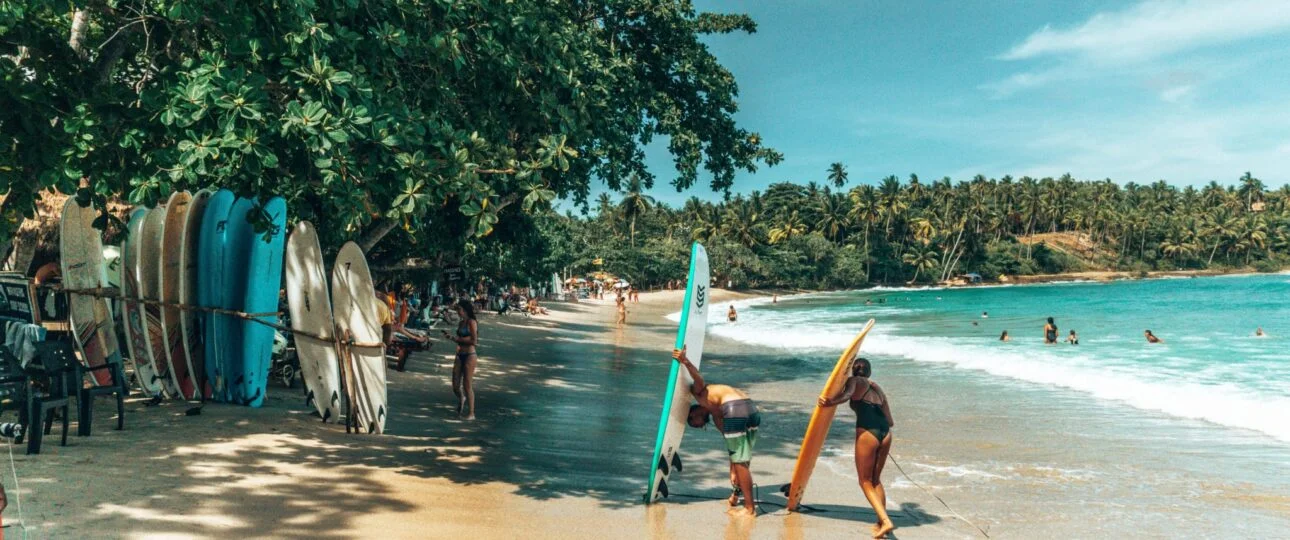
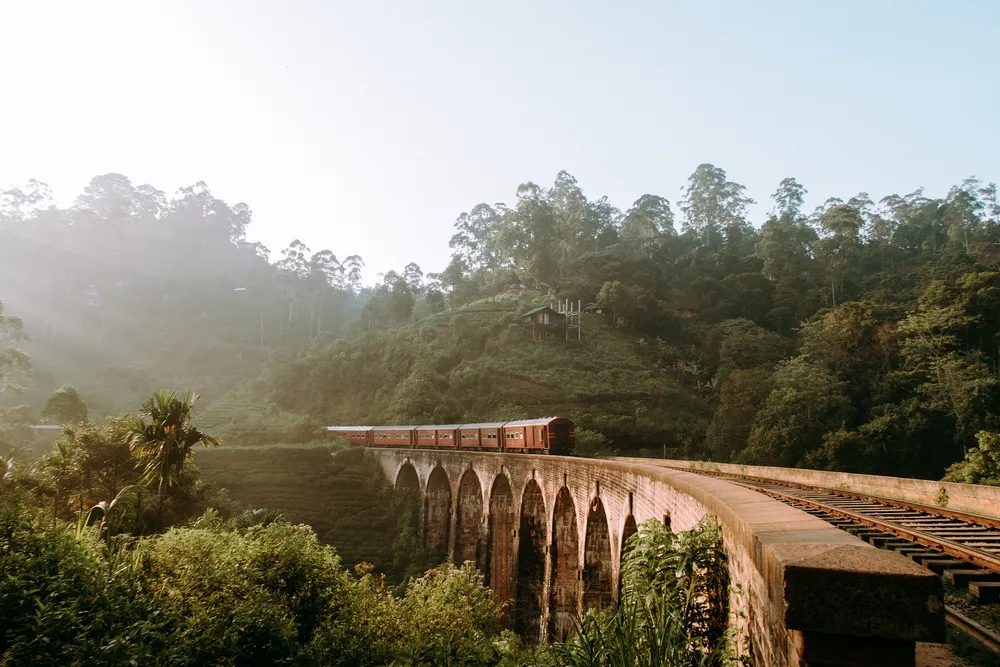
Picture this: you wake up to the sound of waves in a beachfront villa on the south coast. By midday, you’re winding through emerald tea hills on a train with the doors wide open, sipping fresh king coconut. By evening, you’re standing feet from a wild elephant herd as the sun drops behind an ancient reservoir. That’s not a fantasy itinerary—it’s a normal Tuesday for anyone exploring Sri Lanka in 2026.
Over 1.23 million international visitors had already landed on the island by mid-year, tourism earnings have surpassed US$1.5 billion, and Sri Lanka is chasing a bold target of 3 million arrivals by year-end. Sri Lanka travel 2026 isn’t a quiet insider tip anymore; it’s the trip everyone is talking about, and once you see why, you’ll understand exactly what the fuss is about.
1. The World Has Discovered Sri Lanka All Over Again
Something shifted in Sri Lanka’s tourism story this year, and the numbers don’t lie. Official figures put international arrivals at over 1.23 million by mid-2026, with travelers pouring in from India, the UK, China, Australia, and the Netherlands—a genuinely global mix, not a single market trend. Some months saw eye-popping surges, including more than 109,000 arrivals in the first 18 days of March alone.
Add in tourism revenue that has crossed US$1.5 billion, and it is clear that Sri Lanka travel represents more than recovery; it is a full-blown renaissance. After weathering past challenges, the island bounced back with a target of 3 million visitors, up 27% year-on-year, and every indicator suggests it is on pace to get there. In short, the world has noticed Sri Lanka again, and this time it isn’t letting go.
2. A Living Museum – Eight UNESCO Wonders Within a Few Hours of Each Other
Most countries are lucky to have one or two globally significant heritage sites. Sri Lanka has eight, and you can realistically visit several of them in a single week:
- Sigiriya: The surreal fifth-century rock fortress that rises 200 meters out of the jungle like something dreamed up by a fantasy novelist.
- Anuradhapura: A sacred ancient capital of towering dagobas and 2,000-year-old bodhi trees.
- Polonnaruwa: A medieval royal city where moss-covered Buddha statues sit exactly where ancient sculptors carved them.
- Kandy: Home to the Temple of the Sacred Tooth Relic, set beside a calm lake in the misty central hills.
This is the heart of what makes Sri Lanka travel so compelling: you are not forced to choose between beaches or history, jungle or ruins. On this island, you get all of it—often in the very same afternoon.
3. Beach Before Breakfast, Mountains by Lunch – One Island, Every Landscape
This is why travel writers keep running out of superlatives for Sri Lanka. Nowhere else can you genuinely go from a palm-fringed tropical beach to misty, 6,000-foot tea country and dense wildlife jungle without ever boarding a domestic flight.
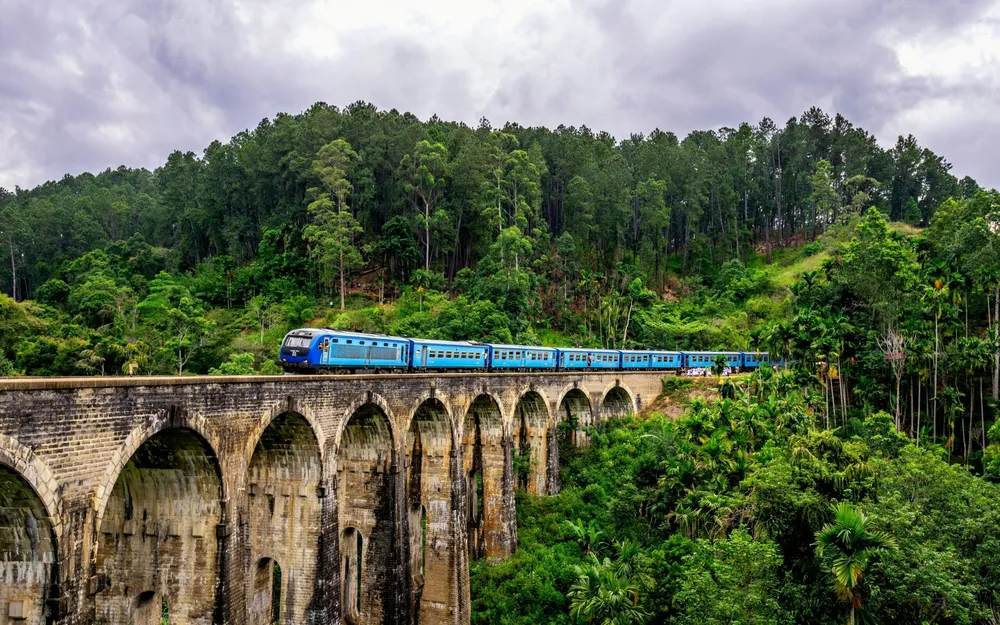
Take the scenic train from Kandy to Ella and you’ll pass roaring waterfalls, terraced hillsides, and tea pickers working steep emerald slopes—consistently ranked among the most beautiful rail journeys on the planet. Head south instead, and you’re on golden sands within hours, with surf towns and fishing villages strung along the coastline. It’s this compact variety—a country you can cross by car in a single day, yet containing an entire continent’s worth of scenery—that keeps earning Sri Lanka its “best island” reputation.
4. Leopards, Elephant Herds, and Whales – A Real-Life Wildlife Trilogy
If you love wildlife, Sri Lanka belongs at the top of your travel list:
- Yala National Park: Shelters one of the highest densities of leopards anywhere on Earth, making it one of the most reliable places globally to spot the elusive Sri Lankan leopard in the wild.
- Udawalawe National Park: Offers near-guaranteed sightings of wild Asian elephant herds roaming across open savannah grasslands.
- Minneriya National Park: From July through October, witness “The Gathering”—up to 300 wild elephants congregating along the receding reservoir in one of the largest wildlife spectacles in Asia.
- Mirissa: Blue whales and sperm whales cruise the southern coast from November to April, making Sri Lanka one of the rare places where you can spot leopards, wild elephants, and marine giants within the same trip.
Unlike African safaris, high-quality wildlife encounters in Sri Lanka are remarkably accessible, with private half-day jeep safaris starting from just $30–$50 per person.
5. From Beach Shacks to Private Villas – Luxury and Slow Travel Are Both Booming
Sri Lanka travel isn’t just for backpackers chasing budget guesthouses anymore. The island’s luxury and boutique segment is expanding rapidly, with private pool villas, yacht charters, curated wellness retreats, and surf lodges drawing travelers from around the world.
What makes this shift special is the emphasis on sustainability: many premier properties invest heavily in solar power, greywater recycling, and local mangrove conservation, so indulgence doesn’t come at nature’s expense. At the same time, slower travel is taking center stage, allowing travelers to pair five-star comfort with visits to tranquil rural hamlets and secluded beaches.
6. Hoppers, Kottu, and Curry – A Food Scene Worth Flying For
Ask anyone who has visited Sri Lanka, and the food is often what they talk about longest:
- Regional Curries: Rice and curry is the island’s daily heartbeat, but every province brings distinct spices—a crab curry in Jaffna tastes completely different from a southern fish ambul thiyal in Galle.
- Ocean-Fresh Seafood: Coastal villages serve lobster, prawns, and tuna caught that morning, seasoned with rich toasted curry powders and coconut milk.
- Sensory Street Food: Crispy, bowl-shaped hoppers with steamed eggs, sizzling kottu roti chopped rhythmically on metal griddles late into the night, and exotic fruits like mangosteen, rambutan, and wood apple.
Culinary exploration across Sri Lanka is never just a side note—it quickly becomes the main event.
7. Easier to Reach, Easier to Love – Better Flights and Real Value for Money
International flight connectivity to Sri Lanka has expanded with targeted seasonal routes and frequent connections across Europe, the Middle East, and Asia. Combined with the island’s compact size—meaning less time sitting in transit and more time exploring—traveling around Sri Lanka is smooth and rewarding.
Because local travel costs remain remarkably reasonable compared to other global bucket-list destinations, travelers can enjoy boutique stays, private chauffeurs, and world-class guided safaris without exorbitant price tags.
Your Sri Lanka Travel Questions, Answered
- Is Sri Lanka safe to visit in 2026? Yes. Rising international arrivals from major markets like the UK, Germany, India, China, and Australia reflect strong global confidence in Sri Lanka’s safety and tourism infrastructure.
- What’s the best time to see wildlife in Sri Lanka? February to July is prime season for leopard and elephant sightings at Yala, while the Minneriya elephant Gathering occurs between July and October. Whale watching off Mirissa peaks from November to April.
- Is Sri Lanka budget-friendly or luxury-oriented? Both. The island seamlessly accommodates all budgets, featuring world-class luxury villas and boutique wellness retreats alongside incredibly affordable dining and guided excursions.
The Verdict – Why Sri Lanka Deserves the Top of Your List
Between record-breaking visitor arrivals, eight UNESCO World Heritage Sites, leopard-dense national parks, a booming wellness scene, and an unforgettable food culture, it is easy to understand why Sri Lanka has captured the world’s imagination.
This is an island that refuses to be just one kind of destination: it is beaches and misty mountains, ancient citadels and wild jungle reserves, slow living and thrilling adventure—all within arm’s reach.
Ready to plan your trip? Contact Overa Tours or explore our handcrafted Sri Lanka itineraries to start designing your dream holiday.