Jump to Section in Guide (16)
If you’re planning a holiday and asking yourself whether Sri Lanka is safe for tourists in 2026, you’re asking an important question. Safety is naturally a primary consideration when choosing any international destination—particularly for first-time visitors, families with young children, and solo travelers.
The short answer is a definitive yes: Sri Lanka in 2026 is peaceful, stable, and exceptionally welcoming to international visitors. The detailed answer—which you’ll find in this guide—covers everything from health and medical facilities to transport safety, regional security, ocean swimming guidelines, and practical tips to ensure your island journey is comfortable and stress-free.
1. Current Safety Situation in Sri Lanka
As of 2026, Sri Lanka enjoys political stability, social harmony, and an expanding tourism sector. The country has strengthened security and guest services across international airports, resort corridors, national parks, and cultural heritage sites.
Key Factors Supporting Traveler Safety:
- Dedicated Tourist Police deployed across all major visitor destinations.
- Strict Hotel & Transport Standards: Regular inspections by national tourism development authorities.
- Steadily Rising International Arrivals: Millions of international travelers arrive each year from Europe, Australia, India, and the Americas without incident.
- Normal Day-to-Day Operations: All primary travel regions function safely and efficiently.
Travelers routinely report feeling secure throughout their trips, frequently citing the genuine warmth and helpfulness of local communities.
2. Is Sri Lanka Safe for First-Time Visitors?
Sri Lanka is widely recognized as one of the best countries in South Asia for first-time visitors to the continent:
- Compact Geography: Short distances between beaches, rainforests, and misty mountain ranges.
- Well-Established Tourism Infrastructure: High-quality boutique hotels, resorts, and modern highways.
- Widespread English Fluency: English is widely spoken in hotels, restaurants, shops, and transport hubs.
- Clear Information: Reliable signage, transparent booking processes, and readily available licensed guides.
- Welcoming Social Atmosphere: Friendly local communities that respect foreign guests.
Many visitors select Sri Lanka as their introduction to Asia because it offers immense cultural depth and scenic diversity without feeling overwhelming.
3. Safety by Region: Where Tourists Travel Most
Safety levels are uniformly high across all developed tourist corridors:
- Colombo & Negombo: Modern commercial and coastal centers with international hospital networks and visible police presence.
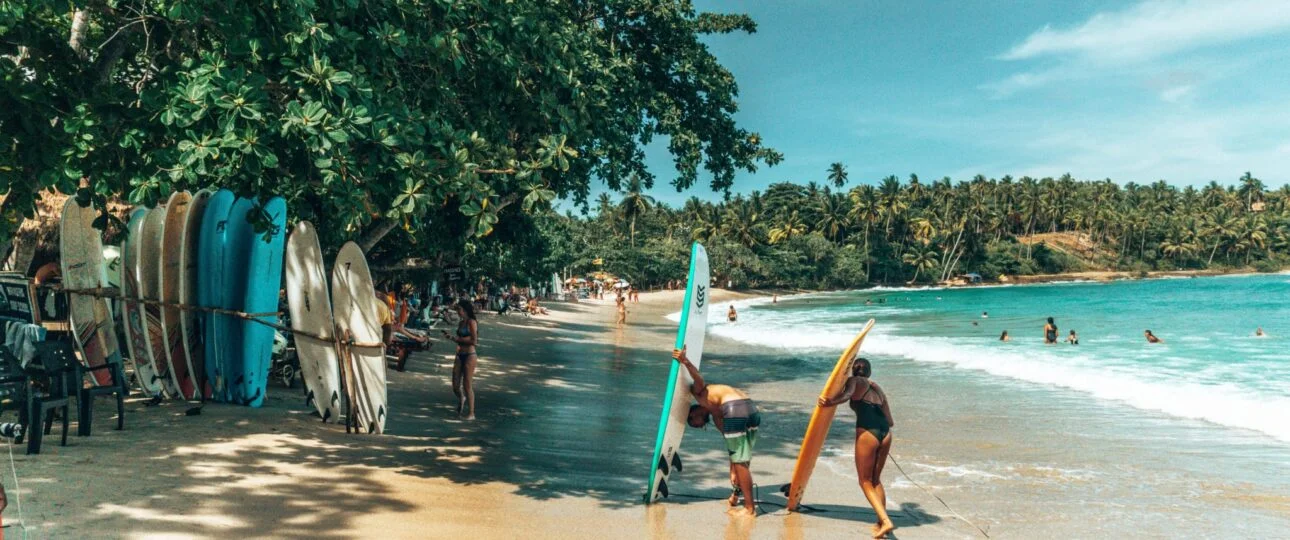
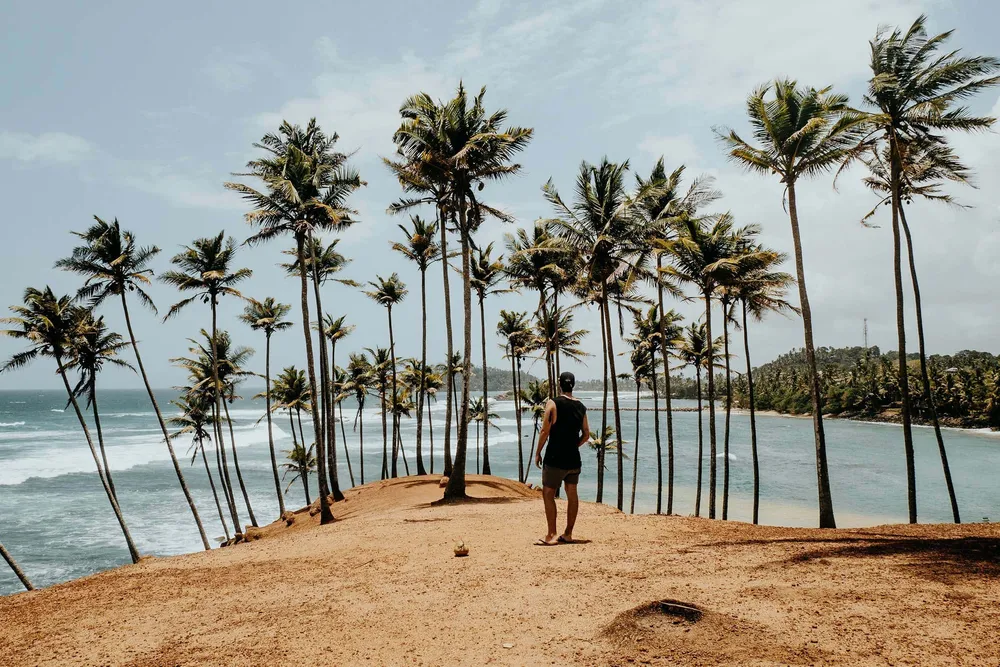
- Galle, Mirissa, Unawatuna, and Tangalle: Relaxed southern coastal towns with established tourist infrastructure and lifeguarded bays.
- Kandy, Ella, and Nuwara Eliya: Serene central highland towns renowned for cool weather, tea estates, and peaceful trekking routes.
- Cultural Triangle (Sigiriya & Dambulla): Sacred UNESCO sites managed by dedicated archaeological authorities.
- Wildlife Reserves (Yala & Udawalawe): Highly regulated national parks operated by the Department of Wildlife Conservation.
Because these regions rely heavily on international tourism, local communities and authorities prioritize guest safety and service excellence.
4. Health & Medical Safety for Tourists
Healthcare in Sri Lanka is reliable and affordable, particularly within private hospital systems:
- Modern Private Facilities: Internationally accredited hospitals in Colombo, Kandy, and Galle offer 24-hour emergency services.
- English-Speaking Physicians: Medical professionals and nursing staff are fluent in English.
- Accessible Pharmacies: Well-stocked pharmacies carrying standard Western medications are located in every town.
Practical Health Tips:
- Drink Bottled or Filtered Water: Stick to sealed mineral water or filtered carafes provided by your hotel.
- Sun & Insect Care: Use high-SPF sunscreen and apply mosquito repellent during dawn and dusk.
- Travel Insurance: Secure comprehensive travel insurance that includes emergency medical evacuation.
5. Is Sri Lanka Safe for Solo Travelers & Women?
Yes. Sri Lanka is considered one of the safest travel destinations in Asia for solo travelers, including solo female adventurers.
Thousands of independent travelers explore the island every month without difficulty. For dedicated tips, consult our Solo Travel in Sri Lanka Guide.
Useful Advice for Solo Travelers:
- Dress respectfully, particularly when visiting temples, rural villages, and religious landmarks.
- Utilize registered taxis, app-based rides (PickMe / Uber), or vetted hotel transfers after dark.
- Politely decline persistent street vendor invitations.
- Connect with other travelers at boutique cafes and guesthouses along the southern coast.
6. Transport Safety in Sri Lanka
Navigating the country is safe and straightforward with the right choice of transit:
- Private Chauffeur & Vehicle: The most secure, comfortable, and efficient method for cross-country touring.
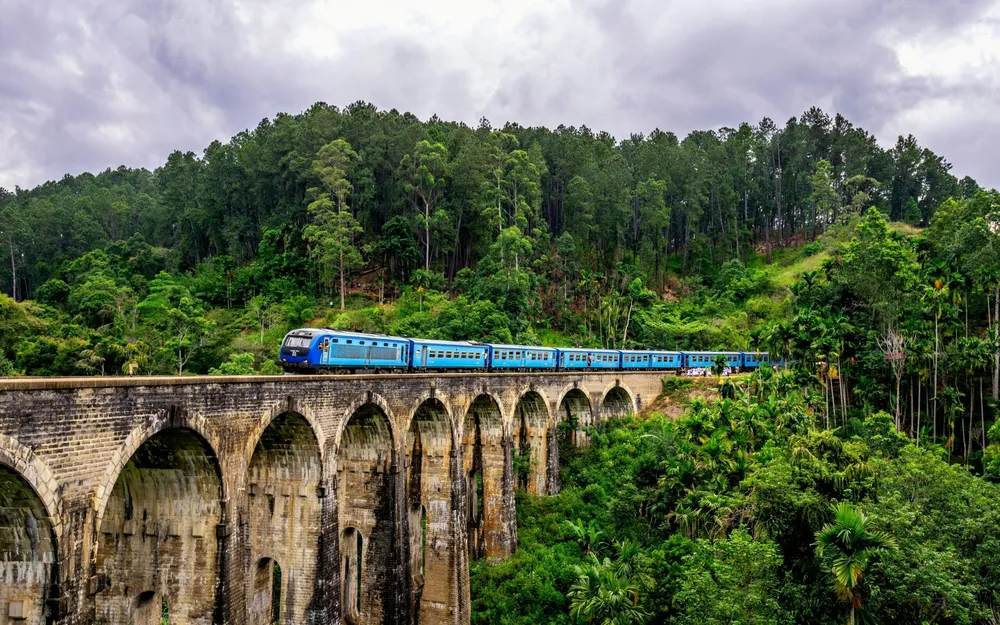
- Scenic Railways: Trains are safe, economical, and offer unforgettable panoramas through the tea highlands. Read our Public Transport Guide for schedule advice.
- Ride-Hailing Apps: PickMe and Uber operate extensively in Colombo and Kandy, providing metered pricing and GPS tracking.
- Self-Driving Caution: We advise against renting motorbikes or self-driving cars unless you are experienced with South Asian traffic flow.
7. Wildlife & Nature Safety
Sri Lanka’s incredible biodiversity is one of its greatest treasures:
- Follow Safari Guidelines: Always stay inside your safari vehicle and listen attentively to your naturalist guide in national parks.
- Respect Wildlife Boundaries: Never attempt to touch or feed wild monkeys, elephants, or marine life.
- Stay on Marked Hiking Trails: Avoid wandering off designated paths in rainforests like Sinharaja or cloud forests in Horton Plains.
8. Beach & Ocean Safety
Sri Lanka’s tropical beaches are world-class, but ocean currents vary by season:
- Swim in Safe Bays: Protected bays such as Unawatuna, Bentota, and Mirissa offer calm, swimmable conditions during the peak southwest season.
- Observe Beach Warning Flags: Red flags indicate hazardous rip currents; never swim where warning flags are posted.
- Heed Local Guidance: Ask lifeguards and hotel staff about daily sea conditions before swimming.
9. Weather, Monsoons & Climate Overview
Sri Lanka experiences two complementary monsoon seasons:
- South & West Coast (plus Hill Country): Peak sunny season runs from November through April.
- East Coast (Passikudah, Arugam Bay, Trincomalee): Peak dry season runs from May through September.
Tour operators actively monitor weather patterns to adjust driving routes or boat departures whenever heavy localized rain occurs.
10. Is Sri Lanka Safe for Families with Children?
Yes, Sri Lanka is exceptionally family-friendly. Sri Lankan culture reveres children, and families traveling with infants or teenagers receive attentive care at resorts:
- Dedicated children’s swimming pools and family suites are standard in beach and hill-country resorts.
- Wildlife safaris and turtle conservation projects provide safe, educational adventures.
- Fresh, non-spicy meal options (such as grilled fish, pastas, and fruit platters) are readily prepared on request.
11. Important Emergency Contact Numbers
Keep these national emergency numbers saved on your phone during your stay:
- Tourist Police Hotline: 1912
- General Police Emergency: 119
- National Ambulance Service (Suwa Seriya): 1990
- Fire & Rescue: 110
Hotels, resorts, and your designated chauffeur guide also provide 24/7 on-ground assistance.
Why Booking with a Trusted Local Operator Enhances Safety
Traveling with a reputable local travel company like Overa Tours guarantees complete peace of mind:
- Local Expertise: Real-time knowledge of weather patterns, route closures, and crowd-free hours.
- Vetted Chauffeurs: Professional drivers trained in defensive driving, vehicle safety, and first aid.
- Curated Accommodations: Pre-screened hotels that uphold high standards of hygiene, security, and service.
- Continuous Support: Dedicated 24/7 emergency coordination from the moment you land until departure.
Conclusion
Is Sri Lanka safe for tourists in 2026? Without a doubt, yes. With warm hospitality, rich living heritage, stunning landscapes, and modern security infrastructure, Sri Lanka offers travelers genuine peace of mind alongside unforgettable memories.
Contact Overa Tours or explore our Sri Lanka tour packages to start designing your safe, seamless island getaway.