For a compact island, Sri Lanka punches remarkably above its weight in global biodiversity. Designated as one of the world’s 36 biodiversity hotspots, the island harbors the planet’s highest density of leopards, massive congregations of wild Asian elephants, blue whales feeding just offshore, and over 30 endemic bird species found nowhere else on Earth. With roughly 30% of its landmass preserved as protected forests, national parks, and nature sanctuaries, travellers can journey from sun-drenched coastal savanna to cloud-swept montane rainforest in a matter of hours.
Whether you are an experienced wildlife photographer pursuing the elusive Sri Lankan Big Five (leopard, elephant, sloth bear, blue whale, and sperm whale) or embarking on your first tropical safari, the national park network offers deeply intimate, unscripted wildlife encounters.
1. Yala National Park – The Leopard Capital
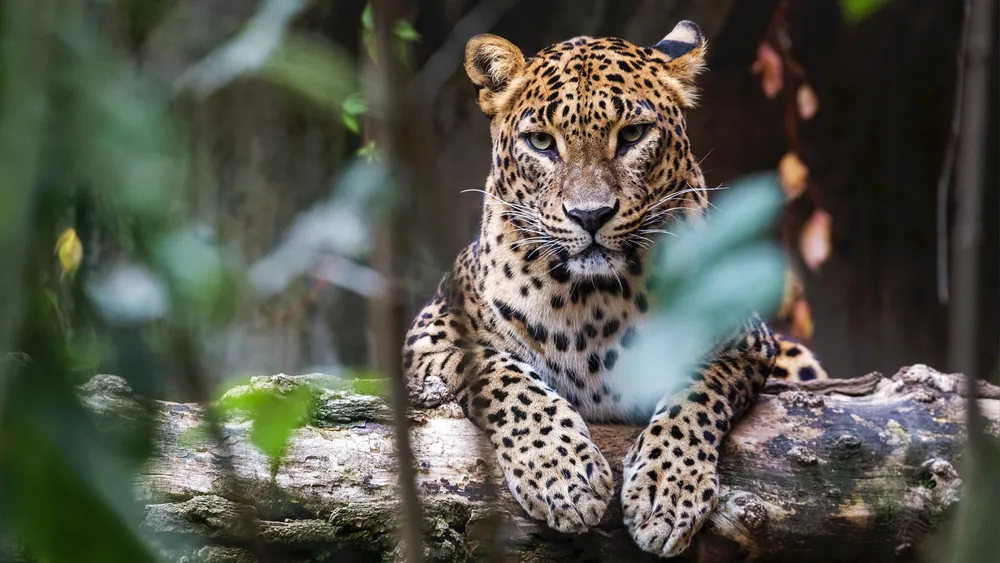
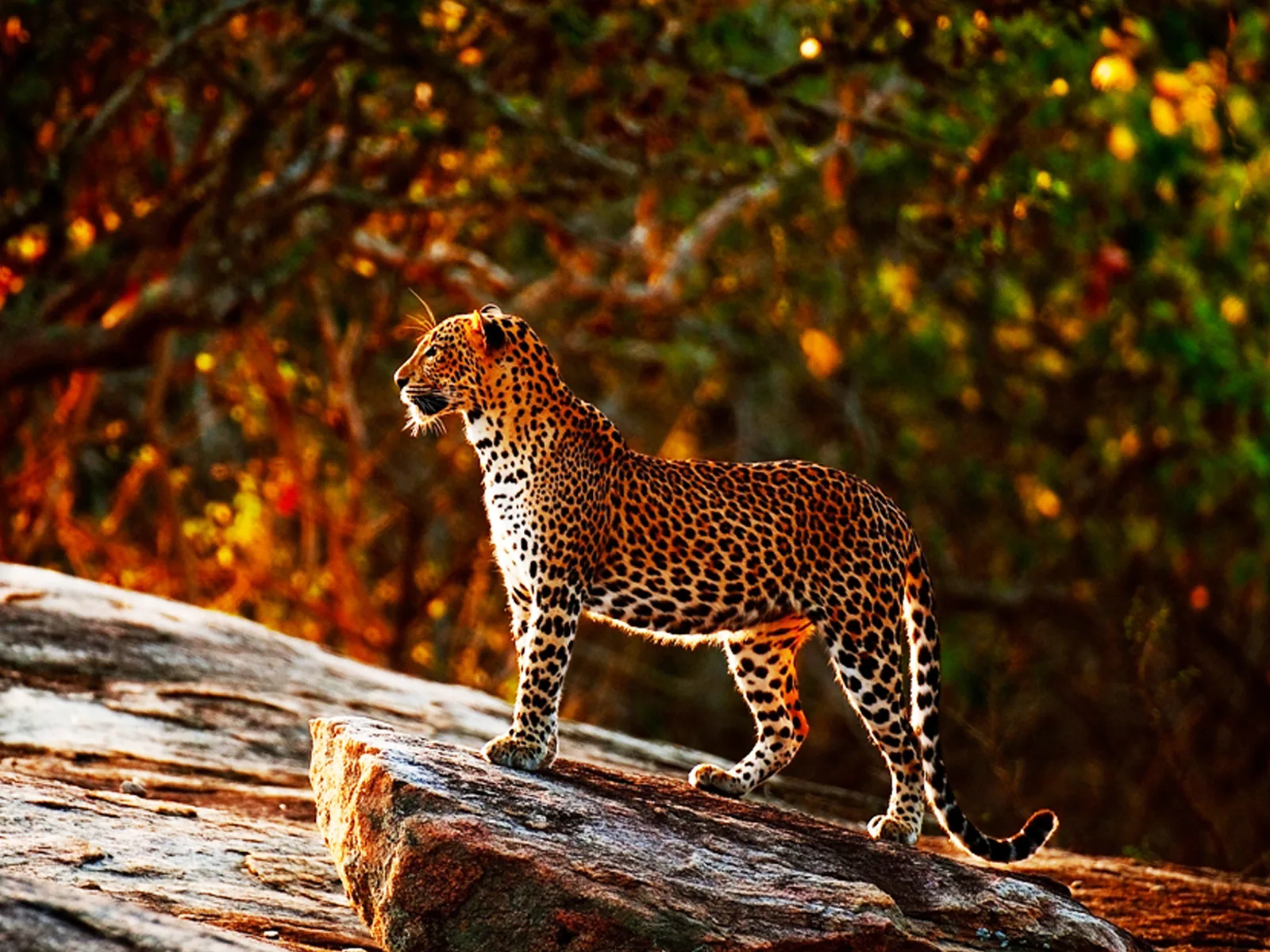
Recognized as having the highest concentration of leopards (Panthera pardus kotiya) on Earth, Yala National Park is the crown jewel of the island’s wildlife circuit. Situated along the southeastern coast in the Southern and Uva Provinces, the park spans a dramatic landscape of coastal lagoons, thorny scrublands, shifting sand dunes, and monolithic granite inselbergs.
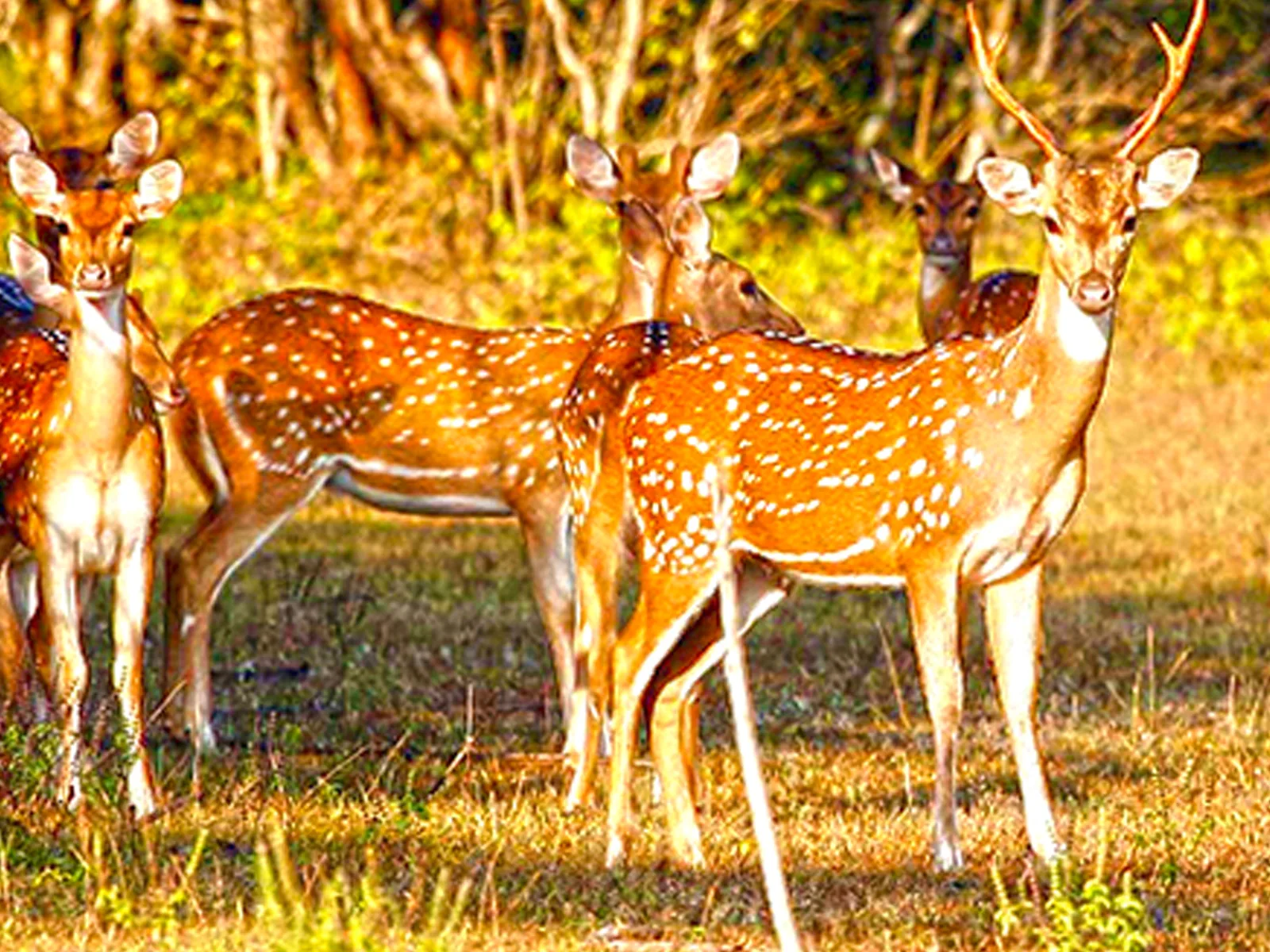
Established in 1938 as one of the country’s first two national parks, Yala is divided into five administrative blocks, with game drives predominantly exploring Block 1 (Ruhuna) and Block 5. Beyond its apex feline predators, game drives frequently encounter solitary bull tuskers, sloth bears (Melursus ursinus), mugger crocodiles basking along lagoon mudflats, and spotted deer grazing under golden evening light.
- Safari Strategy: Book private 4x4 jeeps rather than shared tours for unhurried observation and flexible positioning during sudden sightings.
- Optimal Drive Hours: 06:00 AM to 09:30 AM and 03:00 PM to 06:00 PM; leopards frequently warm themselves on sunlit granite boulders during dawn and late afternoon.
- Conservation Gateways: Combine safaris with tranquil stays in nearby Tissamaharama or bordering eco-lodges.
2. Udawalawe National Park – Elephant Savanna
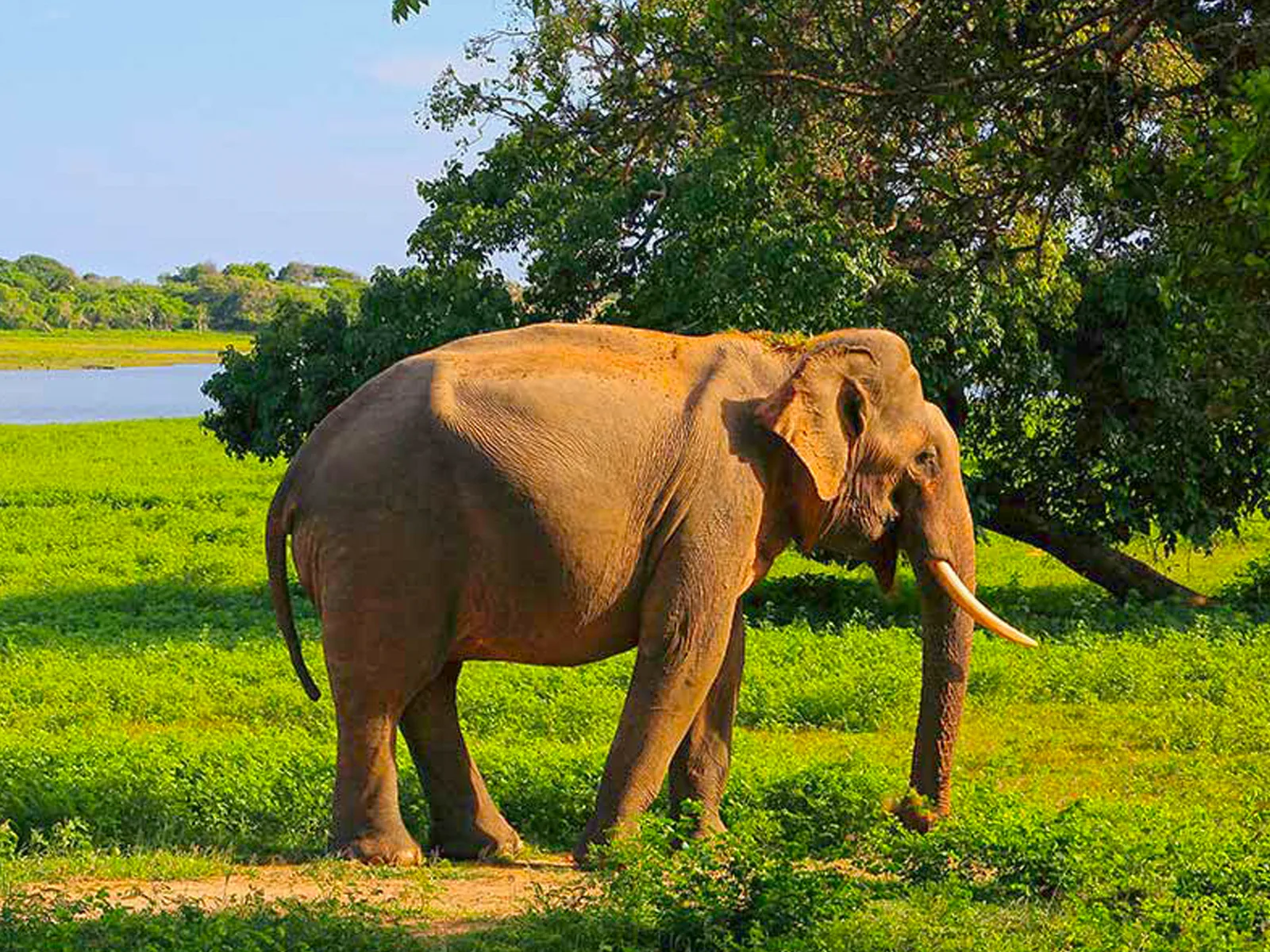
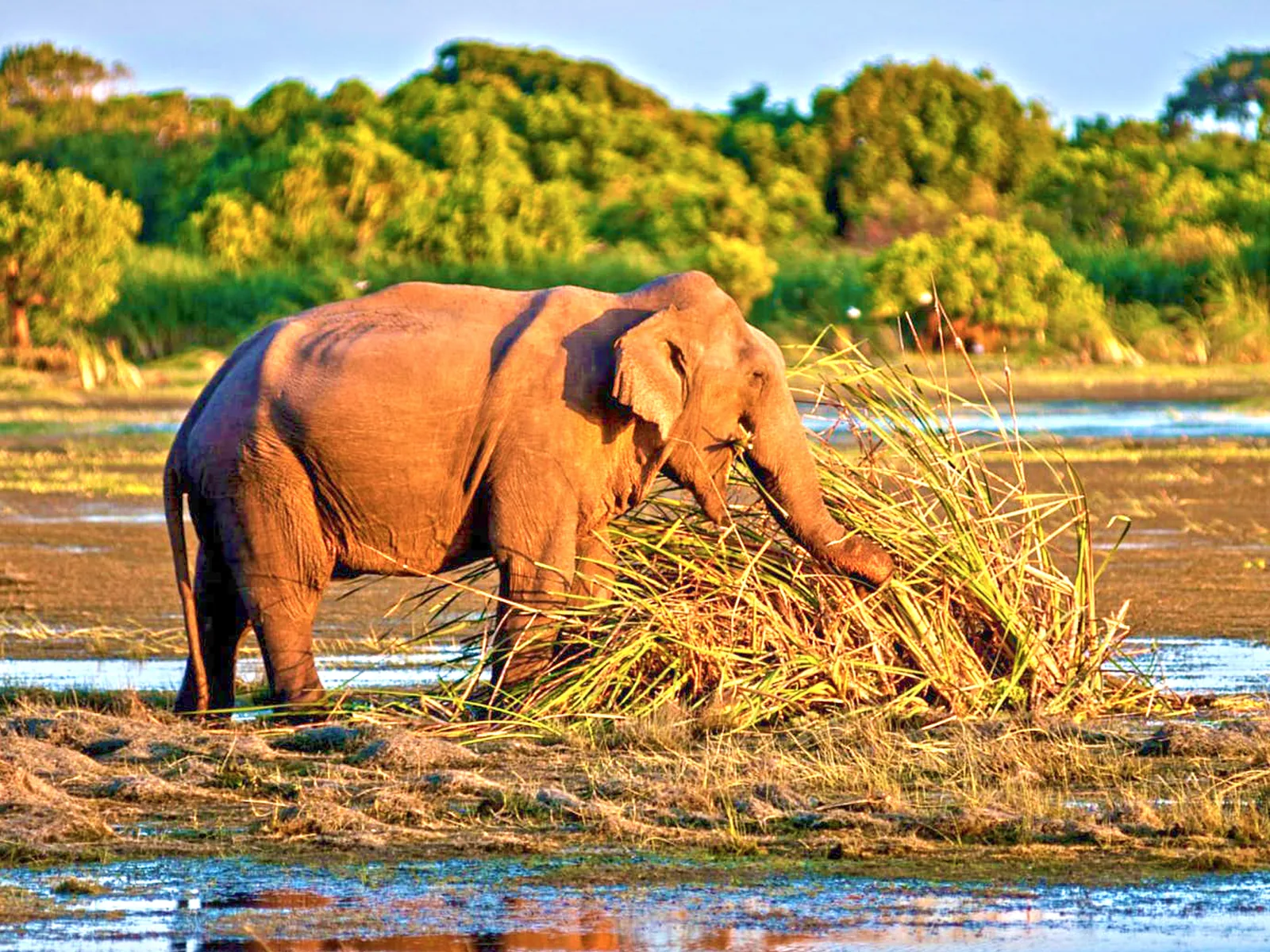
Spanning 30,821 hectares across the Sabaragamuwa and Uva boundaries, Udawalawe National Park provides an open grassland setting reminiscent of an East African savanna. Centered around the vast Udawalawe Reservoir on the Walawe River, the park supports a thriving population of 500 to 700 wild elephants.
Unlike denser forest reserves, Udawalawe’s open grasslands ensure that elephant encounters are sustained and close. Visitors regularly watch maternal family units, nursing calves, and solitary bulls feeding on tall guinea grass for half an hour or more without shifting the vehicle.
- Elephant Transit Home (ETH): Located near the western entrance, this pioneering rehabilitation facility founded by the Department of Wildlife Conservation cares for orphaned elephant calves until they are ready to be released into wild herds. Public milk feeding sessions occur at 09:00 AM, 12:00 PM, 03:00 PM, and 06:00 PM.
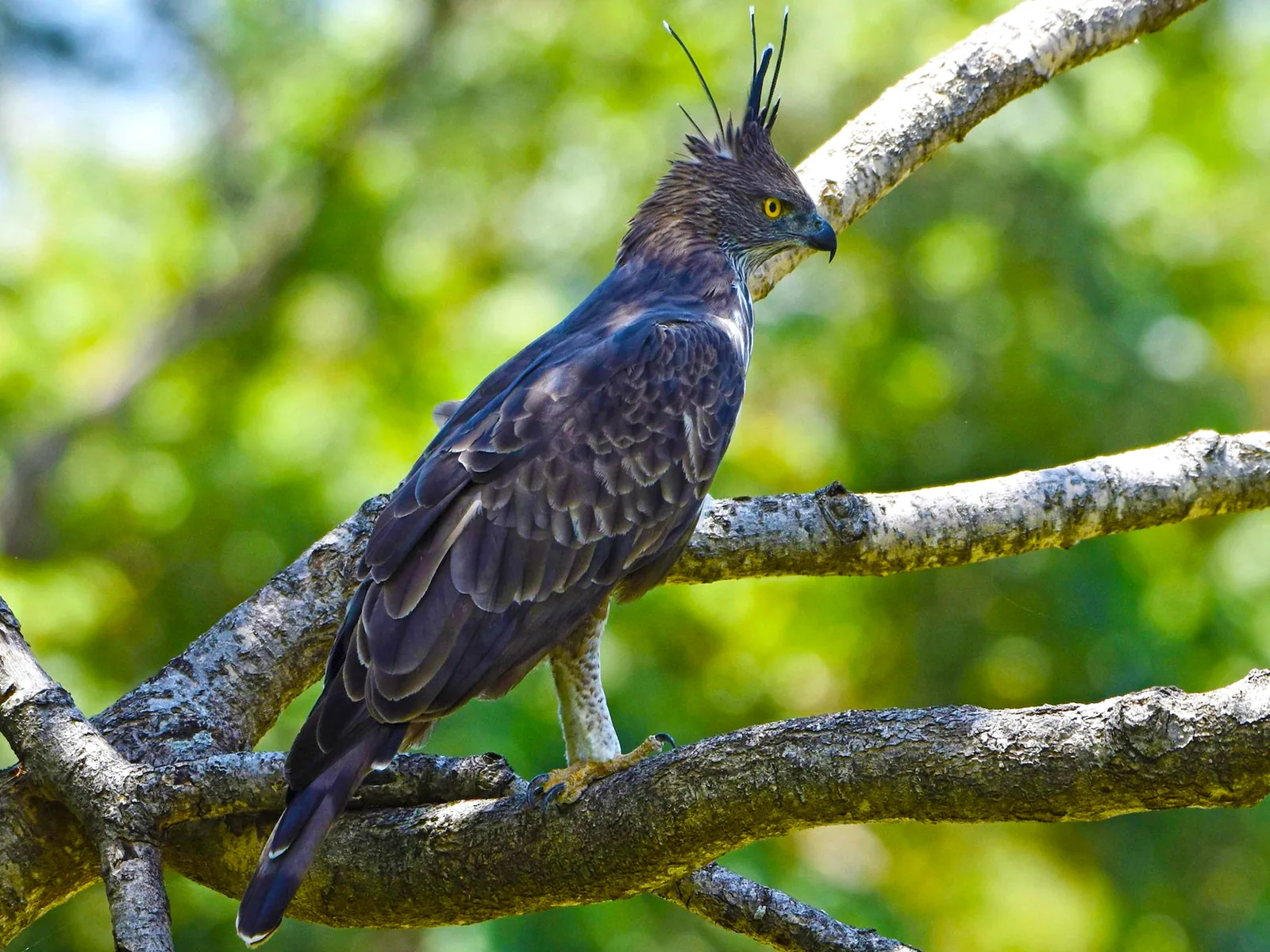
- Wildlife Variety: Home to large herds of wild water buffalo, spotted deer, barking deer, jackals, crested serpent eagles, and mugger crocodiles.
3. Wilpattu National Park – The Untamed Northwest
Covering 131,693 hectares in the northwestern dry zone, Wilpattu National Park is the largest and oldest protected wildlife reserve on the island. The name “Wil-pattu” translates to “Land of Lakes,” referencing over 100 natural sand-rimmed water basins (villus) that collect rainwater and sustain wildlife during dry seasons.
Characterized by dense dry evergreen forest and thick scrub, Wilpattu offers a wilderness atmosphere that is noticeably wilder and less congested than Yala. Game drives require quiet patience as vehicles navigate sandy forest tracks, searching for leopards stalking across villu rims or sloth bears feeding on ripe palu and weera berries.
- Best Season: February to October; August and September are exceptional as receding villu water lines compel wildlife out into open clearings.
- Historical Heritage: The park holds ancient historical ruins, including the legendary landing site of Prince Vijaya at Kudiramalai Point.
4. Minneriya & Kaudulla National Parks – The Great Elephant Gathering
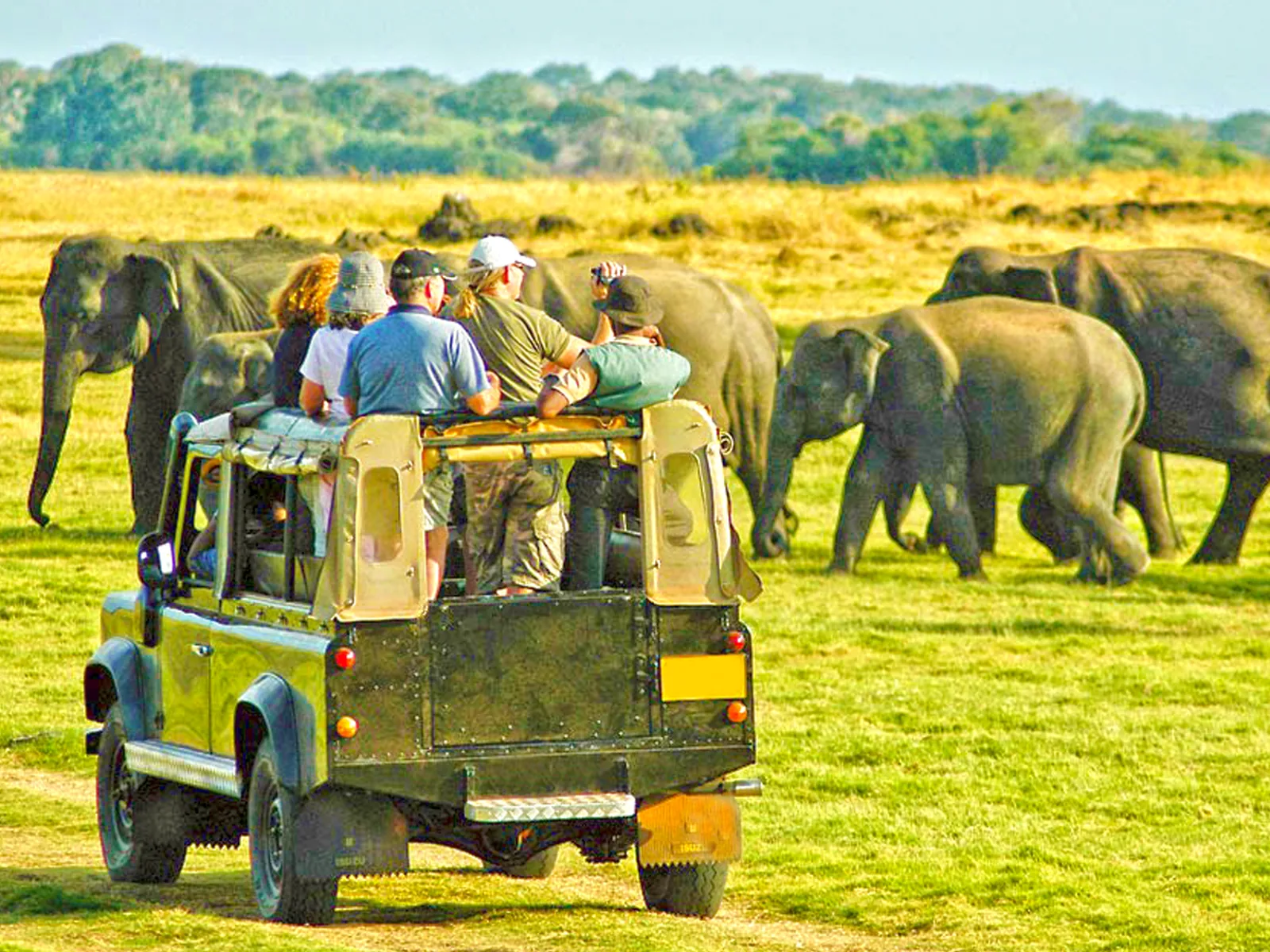
Nestled in the North Central Province within the ancient Cultural Triangle, Minneriya National Park hosts one of the natural world’s greatest spectacles: “The Gathering.”
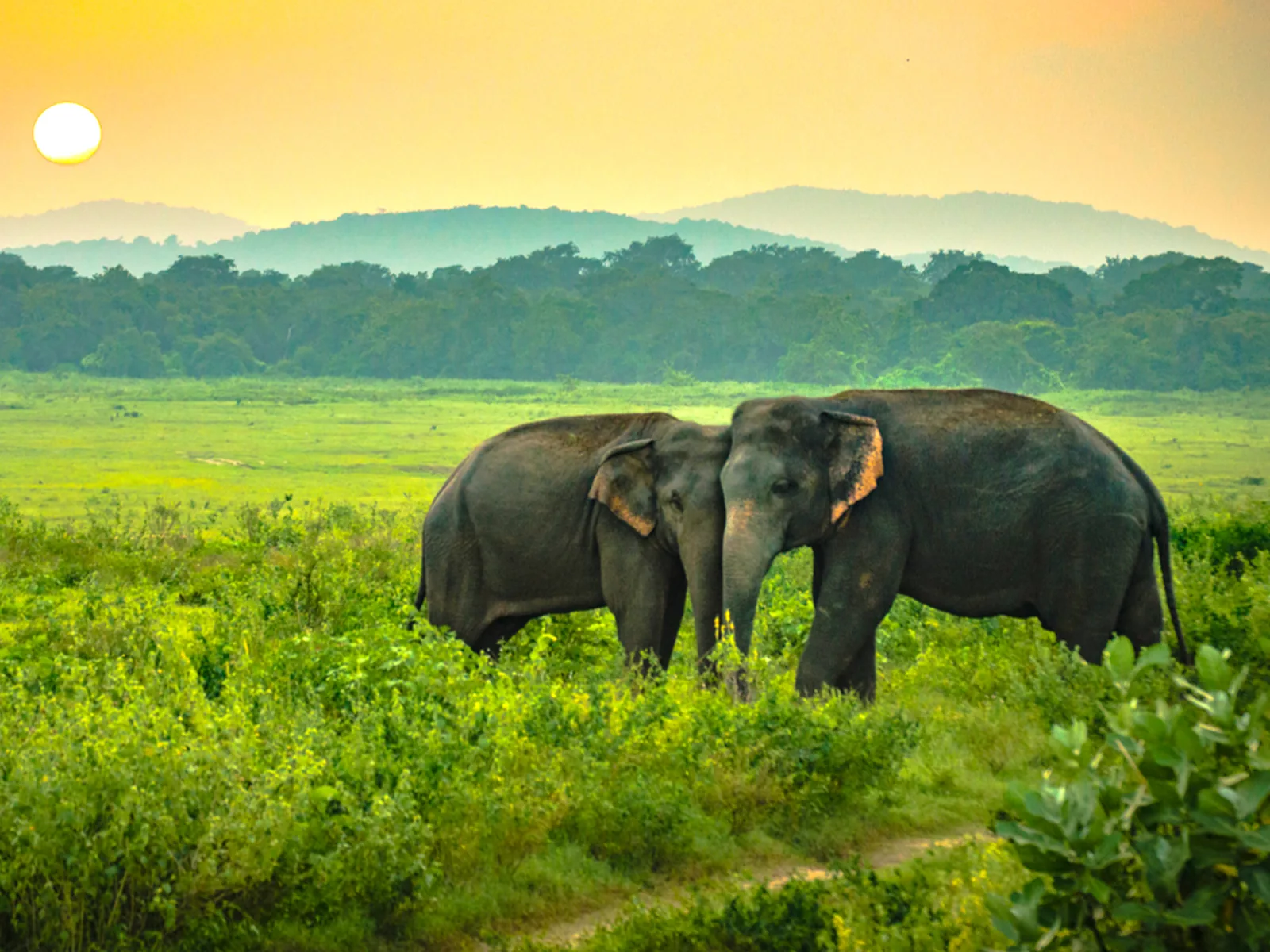
During the dry months between July and October, water across the northern dry zone dries up, leaving the ancient 3rd-century Minneriya reservoir as the primary reliable water source. As reservoir waters recede, lush fresh grasses sprout on the exposed tank bed, attracting between 200 and 400 wild elephants from across surrounding forest corridors.
- Dual-Park Dynamics: The elephant herds migrate freely between Minneriya and neighbouring Kaudulla National Park via an ecological corridor. Experienced safari trackers monitor herd movements daily to direct afternoon jeeps to whichever park currently hosts the core gathering.
- Afternoon Highlights: The best time for game drives is between 03:00 PM and 06:00 PM, when elephant families emerge from jungle cover onto the open reservoir shores to drink, bathe, and socialize.
5. Horton Plains National Park – Misty Highland Plateau
Perched at an elevation above 2,100 meters in the central highlands, Horton Plains National Park presents a stark contrast to the lowland safari parks. This UNESCO World Heritage montane plateau encompasses sweeping tussock grasslands, moss-draped dwarf cloud forests, and crystal-clear mountain streams.
Unlike conventional jeep safaris, Horton Plains is traversed exclusively on foot along a 9.5-kilometer circular hiking trail:
- World’s End Escarpment: A sheer precipice dropping vertically 870 meters down to the southern tea plantations and coastal lowlands below.
- Bakers Falls: A roaring cataract formed where the Belihul Oya cascades over stone ledges among giant tree ferns.
- Highland Fauna: Inhabited by large herds of highland sambar deer (Rusa unicolor unicolor), the endemic purple-faced langur, and rare montane avifauna including the Sri Lanka whistling thrush and yellow-eared bulbul.
- Timing: Enter at sunrise (06:00 AM) to reach the World’s End escarpment before thick morning mist blankets the viewing platform around 09:30 AM.
6. Bundala National Park – Ramsar Wetland Sanctuary
Situated along the southern coast between Hambantota and Yala, Bundala National Park is a UNESCO Biosphere Reserve and the island’s first designated Ramsar Wetland of International Importance. Its interconnected matrix of saline coastal lagoons, salt pans, dunes, and thorny scrub provides wintering sanctuary for nearly 200 bird species.
Between September and March, migratory flocks traveling along the Central Asian Flyway arrive in immense numbers:
- Avian Spectacles: Greater flamingos, painted storks, Eurasian spoonbills, black-tailed godwits, and vibrant blue-tailed bee-eaters congregate across open lagoons.
- Marine Turtle Nesting: The secluded ocean beaches fronting the park serve as critical night-nesting habitats for five species of endangered marine turtles.
- Low Visitor Footprint: Receives only a fraction of Yala’s visitor numbers, making it an unhurried, quiet safari escape.
7. Sinharaja Forest Reserve – Virgin Rainforest Sanctuary
Recognized as a UNESCO World Heritage Site and World Biosphere Reserve, Sinharaja Forest Reserve is the last extensive tract of primary tropical lowland rainforest in the country. Spanning steep ridges in the southwestern wet zone, the forest is renowned for its high endemism, with more than 60% of trees and 95% of endemic bird species represented here.
Sinharaja is strictly explored on foot accompanied by licensed wildlife naturalists:
- Mixed-Species Feeding Flocks: A remarkable ecological phenomenon where up to 20 different bird species travel through the forest canopy together in coordinated foraging flocks.
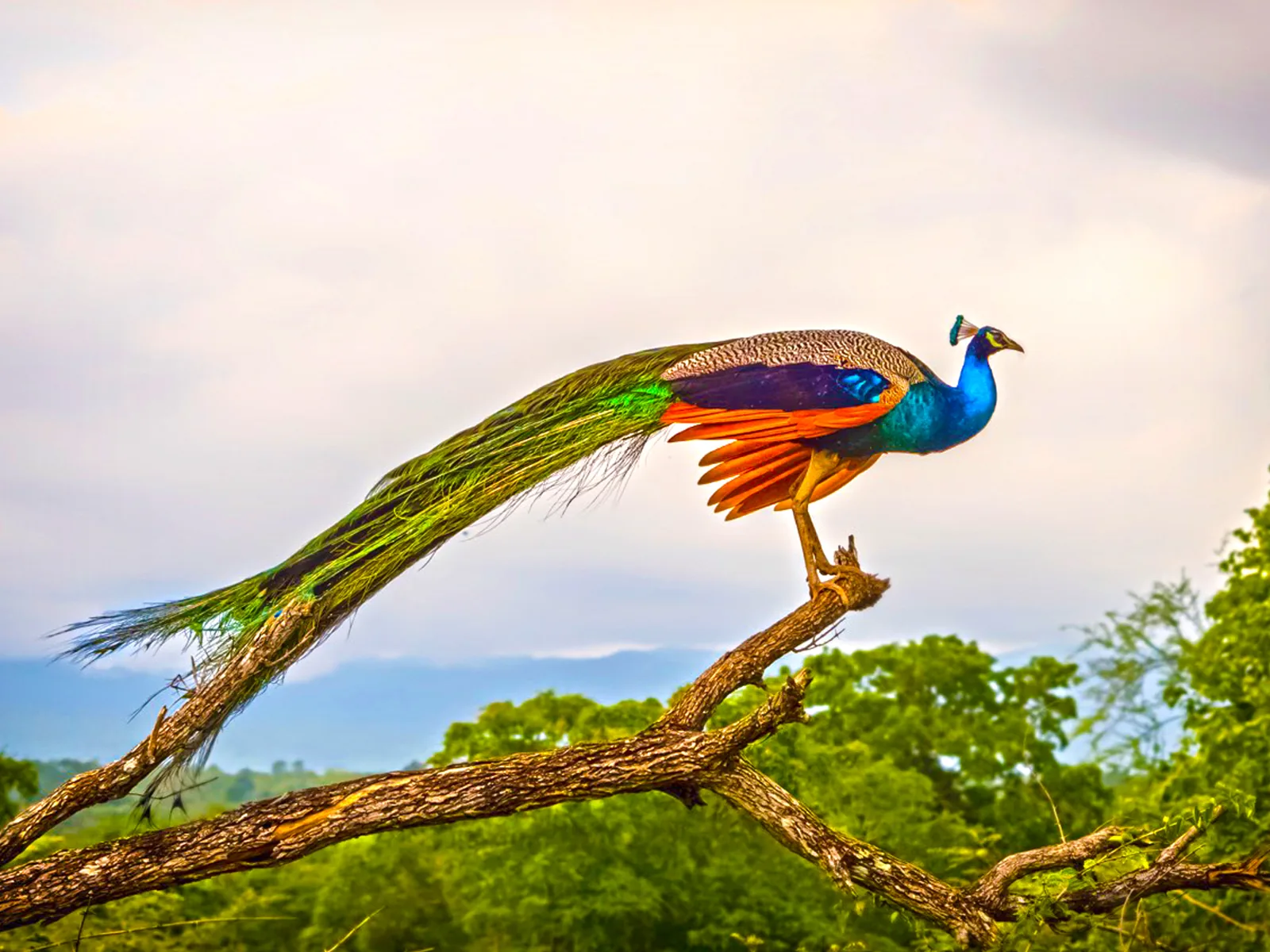
- Endemic Avifauna: Prime sightings include the vibrant Sri Lanka blue magpie, red-faced malkoha, white-faced starling, and Serendib scops owl.
8. Hidden Gems: Beyond the Headline Parks
- Kumana National Park: Known as Yala East, Kumana is celebrated for its 200-hectare mangrove swamp (Kumana Villu) where thousands of waterbirds nest from April to July, as well as ancient rock cave shrines and secluded beaches.
- Gal Oya National Park: Sri Lanka’s only national park offering boat safaris on the vast Senanayake Samudraya reservoir, famous for sightings of wild elephants swimming between forested islands.
- Wasgamuwa National Park: Located along the Mahaweli River valley, this less-frequented park supports healthy elephant herds, purple-faced langurs, and sloth bears amidst ancient irrigation tanks.
- Lunugamvehera National Park: Serves as a critical wildlife corridor linking Yala with Udawalawe, protecting vital elephant migratory routes.
- Pigeon Island National Park: Premier marine sanctuary off Trincomalee featuring vibrant coral reefs, blacktip reef sharks, and sea turtles.
Best Time to Visit Each National Park
The island’s two distinct monsoon patterns ensure excellent safari conditions in different provinces throughout the year:
| National Park | Peak Season | Key Wildlife Highlight | Ecosystem Type |
|---|---|---|---|
| Yala | February – July | Leopard sightings & sloth bears | Coastal dry scrub & lagoons |
| Udawalawe | Year-round (May – Sep dry) | Elephant herds & calves | Open savanna & reservoir plains |
| Wilpattu | February – October | Leopards & sloth bears at villus | Dry evergreen forest & sand-rimmed lakes |
| Minneriya & Kaudulla | July – October | The Great Elephant Gathering | Ancient tank wetlands & grasslands |
| Horton Plains | January – March | Endemic birds, World’s End hike | Cloud forest & montane plateau |
| Bundala | October – March | Migratory flamingos & waterbirds | Coastal lagoons & salt pans |
| Sinharaja | December – April, Aug – Sep | Mixed-species bird feeding flocks | Tropical virgin lowland rainforest |
| Kumana | April – July | Colonial waterbird nesting swamps | Mangroves & coastal lagoons |
| Gal Oya | March – October | Swimming elephants on boat safaris | Freshwater lake & island archipelago |
| Wasgamuwa | Year-round | Wild elephants & riverine primates | Riverine forest & rocky ridges |
Essential Safari Tips & Park Etiquette
- Book Private 4x4 Jeeps: A dedicated private jeep ensures unobstructed photography sightlines, customized routes, and the flexibility to spend extended time observing unique animal behaviors.
- Dawn & Dusk Departures: Wildlife activity peaks in the cool hours directly after sunrise and before sunset. Aim for gate arrival by 05:45 AM for morning drives.
- Wear Earth Tones: Neutral colors (khaki, olive, beige, tan) blend into natural habitats; avoid bright colors, pure white, and reflective clothing that can startle animals.
- Pack Telephoto Lenses: High-zoom lenses (300mm to 600mm) are invaluable for capturing sharp animal expressions, bird feathers, and distant lagoon wildlife.
- Hire Registered Park Trackers: A knowledgeable Department of Wildlife Conservation tracker provides deep local animal tracking insights and bird identification.
- Responsible Park Etiquette: Always stay inside the vehicle, maintain quiet voices, turn off phone ringers, never feed wildlife, and carry out all non-biodegradable waste.y out all non-biodegradable waste.