Jump to Section in Guide (14)
There is a certain kind of traveller who arrives in Sri Lanka, snaps a golden shot at the Temple of the Tooth, checks it off the list, and flies home satisfied. But those who have spent real time at the cultural places in Sri Lanka will tell you a very different story—one woven from the smell of burning camphor at a dawn puja, the rhythmic thunder of a Kandyan drummer learning to trust a stranger with his art, and the quiet gravity of standing inside a two-thousand-year-old stupa as monks chant in the half-light. Sri Lanka is not a backdrop for photographs; it is a living, breathing civilisation that rewards curiosity in ways few destinations on earth can match.
The cultural places in Sri Lanka stretch from the sun-bleached plains of Anuradhapura in the north to the fort-flanked streets of colonial Galle in the south, encompassing eight UNESCO World Heritage Sites and centuries of Buddhist, Hindu, Muslim, and Portuguese layering that makes every alleyway a conversation with history. Travellers are increasingly turning away from spectacle-driven itineraries in favour of participatory, immersive encounters—and the most captivating cultural places in Sri Lanka are meeting that appetite with remarkable depth and creativity.
1. The Sacred Triangle – Where Civilisation Began
Sri Lanka’s history stretches back to 543 BCE, and nowhere is that antiquity more palpable than in the ancient cities of the Cultural Triangle—Anuradhapura, Polonnaruwa, and Sigiriya. These are not ruins in the crumbling, abandoned sense; they are sacred landscapes still actively worshipped in every single day.
1. Anuradhapura – City of a Thousand Stupas
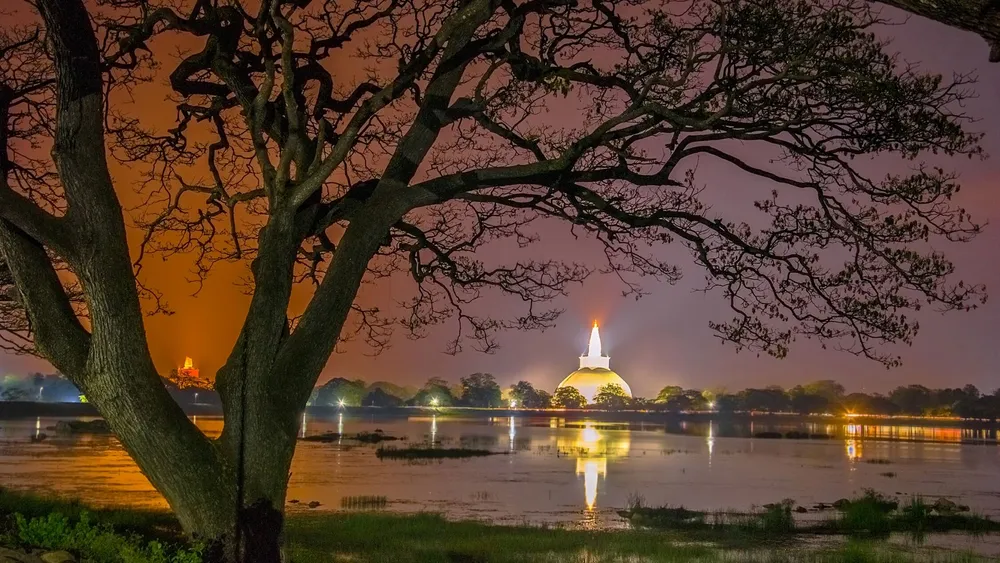
Sri Lanka’s first established kingdom remained its capital for over 1,400 years. Exploring it properly means renting a bicycle at dawn and cycling from stupa to stupa as the mist lifts off the tank waters. The Jetavanaramaya—once the world’s tallest stupa—still dominates the skyline, and the Jaya Sri Maha Bodhi, a sacred tree descended from the very fig tree under which the Buddha attained enlightenment, draws pilgrims who arrive not as tourists, but as believers. Sit quietly among them. Do not photograph during intimate rituals; that restraint is the beginning of a deeper cultural encounter.
2. Polonnaruwa – The Garden Kingdom
Sri Lanka’s second great kingdom lasted around 200 years, and its garden city reveals a sophisticated Hindu-Buddhist synthesis. Wander past the monumental 17-metre Buddha at Lankatilaka, peer into the stone chambers of Shiva Devala No. 2 (the oldest surviving building in the city), and rent a bicycle to cover the vast, tree-shaded complex at your own pace. For a genuinely immersive experience, arrange a village homestay rather than an isolated resort: local families often prepare home-cooked meals, share folklore of the region, and offer a window into rural Sri Lankan life that no hotel can replicate.
3. Sigiriya – The Lion’s Rock
Sigiriya is one of the most photographed landmarks in Asia, but the vast majority of visitors spend 90 minutes climbing it and leave. Stay longer. Take a guided exploration that traces the sophisticated hydraulic engineering of the water gardens—fountains that still function after 1,500 years. Examine the celebrated mirror wall, where ancient visitors inscribed poetry since the 8th century. Then, as sunset turns the plains copper, visit the quieter Pidurangala Rock nearby for a panoramic perspective on Sigiriya that no selfie stick can capture.
Best Time to Visit
- December to March: Optimal for the Cultural Triangle, offering cooler mornings ideal for cycling through the ancient ruins.
Immersive Tip
- Hire a licensed local guide trained in archaeology rather than a generic driver; the stories transform the ancient stones into living narratives.
Cultural Etiquette
- Dress modestly at all temple sites: cover shoulders and knees, and remove footwear and headwear before entering sacred enclosures. Ask permission before photographing worshippers.
2. Kandy – The Last Kingdom & the Art of Living Tradition
Nestled in the cool central highlands, Kandy was the last independent capital of Sri Lanka before British annexation in 1815. It remains the spiritual and cultural heartbeat of Sinhalese Buddhist civilisation, offering some of the most participatory cultural experiences available anywhere on the island.
1. The Temple of the Tooth – Beyond the Photograph
The Sri Dalada Maligawa (Temple of the Tooth) is a must-visit. Arrive at 6:00 AM for the morning puja rather than the midday tourist rush. The ritual drums begin, fragrant flower offerings are presented, and the golden casket containing the sacred tooth relic is reverently displayed. It is a living ceremony virtually unchanged for centuries.
2. Kandyan Dance Residencies
Several cultural organisations in Kandy offer multi-day residencies where travellers can learn the fundamentals of Kandyan dance—one of Sri Lanka’s most distinctive performing art forms, characterised by elaborate brass and silver headdresses, intricate footwork, and dramatic fire performances. These workshops are led by hereditary dance families who pass down drumming and dance traditions across generations.
3. The Perahera – A Festival That Must Be Witnessed
If your travel dates coincide with the Esala Perahera (typically July–August), extend your stay in Kandy. This is one of the grandest Buddhist festivals in Asia: ten nights of processions featuring elaborately caparisoned elephants, torchbearers, whip crackers, and thousands of traditional dancers winding through the city streets.
3. Jaffna – Sri Lanka’s Northern Soul
For decades, northern Sri Lanka was off the typical tourist trail. Today Jaffna is emerging as one of the most compelling cultural destinations on the island—raw, authentic, and practically untouched by commercial tourism infrastructure.
Jaffna offers a distinctly vibrant Tamil cultural experience: visit the magnificent Nallur Kandaswamy Kovil, one of the most important Hindu temples in South Asia, where daily rituals unfold with theatrical intensity. Walk through the historic Dutch fort, or take a boat to the nearby northern islands of Nainativu and Delft, where wild ponies roam free and ancient shrines stand along the shoreline. Savor authentic northern cuisine at family-run eateries: fiery Jaffna crab curry, crisp dosas, and fresh coconut sambol provide a culinary journey found nowhere else on the island.
4. Galle – Colonial Layers & Artisan Revival
The UNESCO-listed Galle Dutch Fort is the best-preserved colonial fortification in Asia. Beyond its famous ramparts, a vibrant cultural scene flourishes. Independent boutiques inside the fort showcase Sri Lankan artisans working in batik, lacquerware, and handloom textiles, alongside galleries created by local artists.
A short drive from Galle, Koggala is famous for traditional stilt fishermen, while nearby Ambalangoda is celebrated for its hereditary woodcarvers producing elaborate devil-dance masks used in traditional Kolam folk rituals. Visiting a working workshop reveals centuries of woodcraft mythology and carving techniques.
5. The Hill Country – Tea, Temples & Tamil Heritage
While Ella and Nuwara Eliya attract visitors for their emerald mountain panoramas, the surrounding tea estate communities in Bandarawela offer deep cultural layers. Many communities are home to Tamil families whose heritage is tied to the historic tea plantations established in the 19th century. Community-based walking tours provide firsthand insight into artisanal tea picking, spice processing, and local estate life.
For a transcendent spiritual experience, the Adam’s Peak (Sri Pada) pilgrimage—a night ascent to a sacred summit venerated by Buddhists, Hindus, Muslims, and Christians alike—stands as one of the most poignant interfaith journeys in Asia. The pilgrimage season runs from December to May.
6. Food as Cultural Gateway
No immersive cultural journey through Sri Lanka is complete without understanding its culinary heritage. Sri Lankan food reflects an intricate synthesis of Sinhalese, Tamil, Moor, Dutch, and Portuguese traditions:
- Cooking classes in Sigiriya: Family-run organic cooking sessions teach visitors to prepare hoppers, kottu, and authentic clay-pot curry using garden-fresh spices and coconut milk.
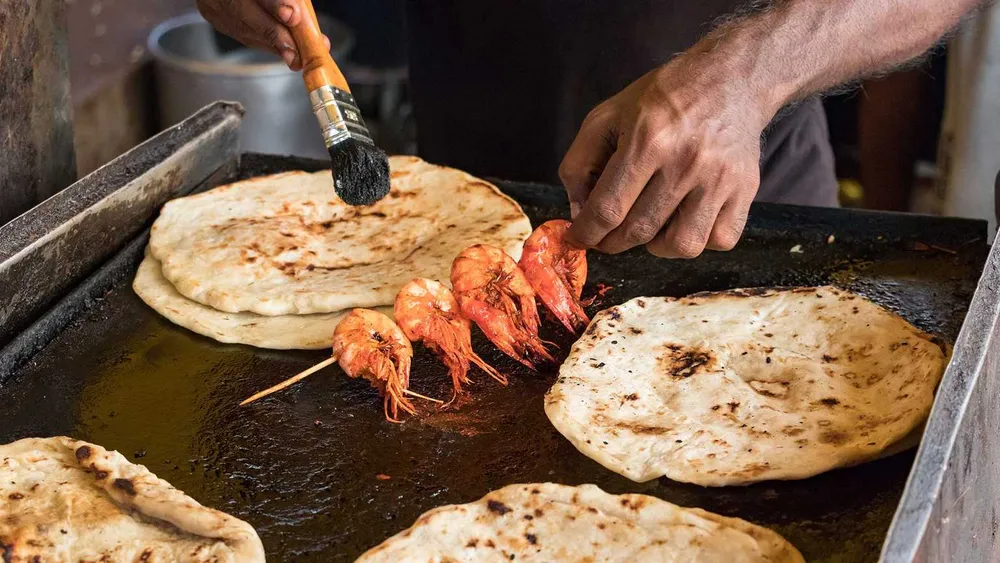
- Street food walks in Colombo’s Pettah: The capital’s historic market bazaar is a sensory maze of street food stalls, best explored with a knowledgeable local foodie.
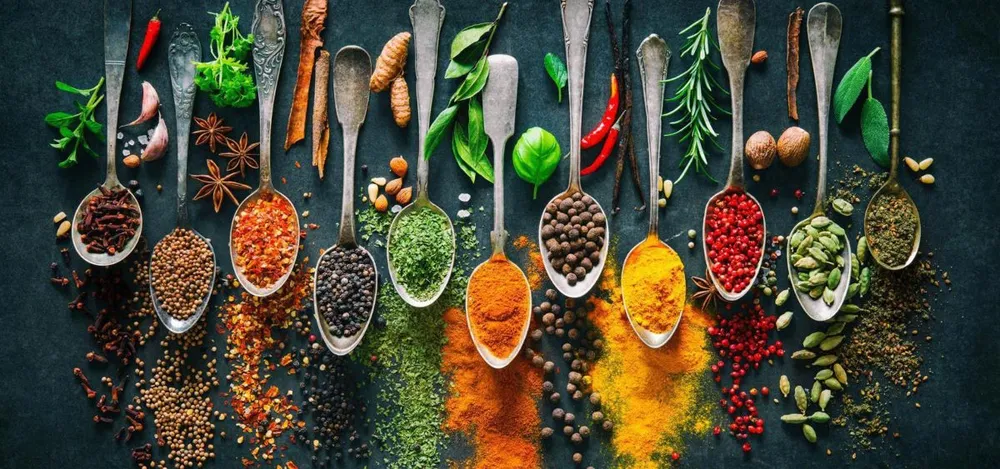
- Spice garden tours in Matale: Stroll through working spice groves near Kandy where cinnamon, cardamom, nutmeg, and pepper are cultivated and processed.
- Farm-to-table dining in Ella: Restaurants serving seasonal highland menus highlight ingredients sourced directly from organic village farms within a 5 km radius.
- Ayurvedic wellness dining: Coastal retreats in Beruwala and Hikkaduwa prepare personalized menus calibrated to individual dosha balance by experienced Ayurvedic chefs.
Practical Tips for Deep Cultural Travel in Sri Lanka
- Hire specialist local guides: Dedicated cultural and archaeological guides offer context and storytelling that transform visits to ancient sites.
- Dress respectfully: Cover shoulders and knees at all religious shrines, and remove hats and footwear before crossing sacred thresholds.
- Timing matters: Avoid visiting open archaeological sites during midday heat; early mornings and late afternoons provide cooler temperatures and serene atmosphere.
- Learn simple greetings: Basic phrases in Sinhala (Ayubowan) or Tamil (Vanakkam) show respect and open warm connections with local hosts.
- Plan around cultural festivals: Celebrations like Vesak Poya (May), Esala Perahera (July–August), and Thai Pongal (January) provide unparalleled cultural immersion.
- Book workshops ahead: Interactive classes for batik, mask carving, cooking, and traditional dance often have limited daily availability.
Go Beyond the Temple Selfie
Sri Lanka is experiencing unprecedented international interest, with record visitor arrivals seeking out its natural and historical treasures. What distinguishes a truly memorable journey is the depth of personal engagement. The travellers who return with the most profound memories are not those who rushed between photo spots, but those who paused to connect with the island’s living traditions.
Whether you spend days cycling through Anuradhapura, learning traditional artisan crafts in Galle, or ascending the candlelit trail of Adam’s Peak alongside local pilgrims, Sri Lanka’s cultural heritage rewards genuine curiosity. Contact Overa Tours to design a respectful, immersive cultural itinerary tailored to your travel style.